Cleaning & Protecting Your Pool Tiles Is as Easy as 1, 2, 3!
Did you know nearly 1 in 3 people skip showering before getting into the pool? That means body oils, minerals, and debris end up on your tile surfaces. While general pool maintenance is essential, it’s your pool tile line that quietly collects the most build-up.
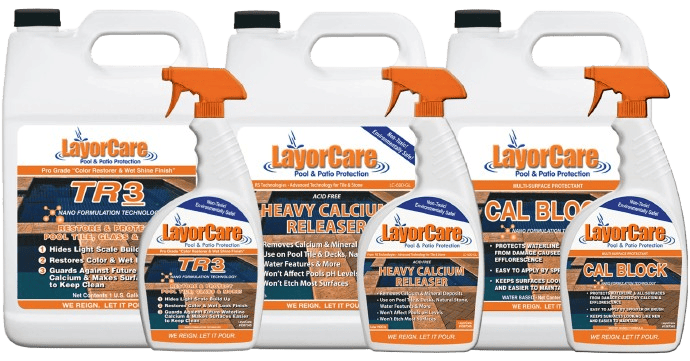
With the power trio of
Heavy Calcium Releaser,
TR3, and
Cal Block, keeping your pool tile spotless and protected has never been easier.
Step 1.
Deep Clean with
“Heavy Calcium Releaser”
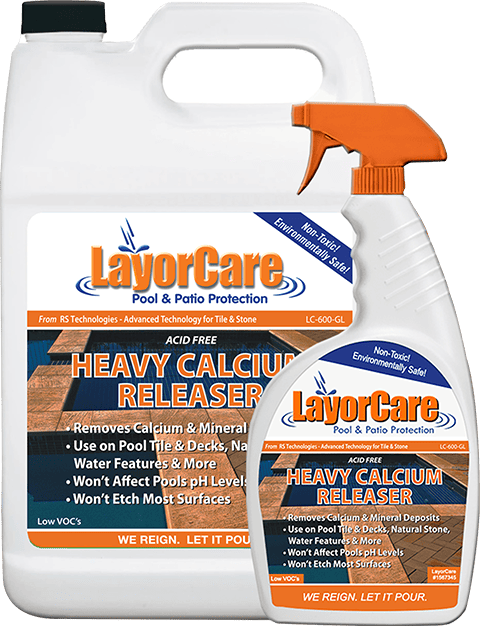
• Heavy Calcium Releaser is a powerful, non-toxic formula that safely breaks down tough calcium and mineral deposits — all without altering your pool’s pH.
• Always keep this product out of reach of children.
• Lower the waterline about an inch below the tile, and spot-test a discreet area (avoid concrete or marble surfaces if etching is a concern).
• Use a scrubbing pad or blade to loosen the top layer of calcium buildup.
• Liberally apply Heavy Calcium Releaser to the prepared surface and allow it to sit for a few minutes.
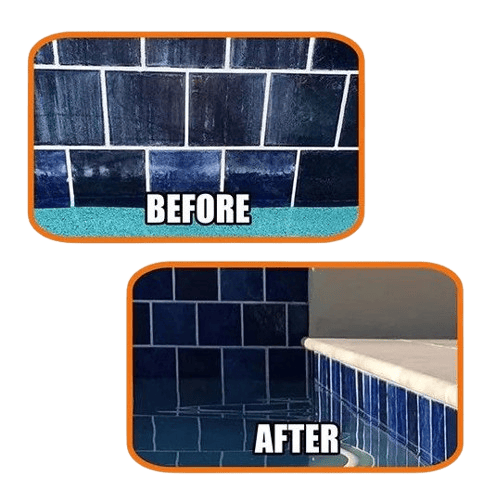
• You'll see bubbling or a white reaction — this means it’s working.
• Scrub again to break down deeper residue.
• Repeat the apply-scrub cycle until the calcium is fully removed.
• Rinse thoroughly and let dry completely.
• For stubborn buildup, gently warm the product (10° above air temp) and consider using a drill-mounted scrubber pad (green, black, or purple pads recommended).
Step 2.
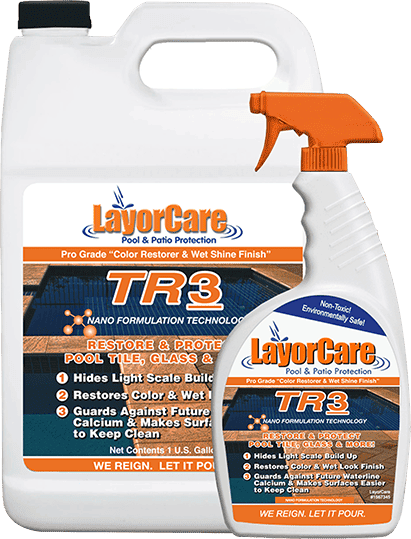
Apply "TR3" to Seal & Restore the Pool Tiles Colors and Gloss
• TR3 is a non-toxic, UV-stable spray that restores tile color and gloss while protecting the surface from further buildup.
• Safe for ceramic, porcelain, glass, and even pool water chemistry — it won’t affect filters or pH levels.
• TR3 adds a rich, renewed look without cracking, yellowing, or peeling over time.
• After cleaning with Heavy Calcium Releaser, apply TR3 by spraying onto tiles and evenly spreading with a paint pad.
• Wipe away any drips or overspray immediately using a damp cloth.
• Let it dry completely before moving to Step 3.
Step 3.
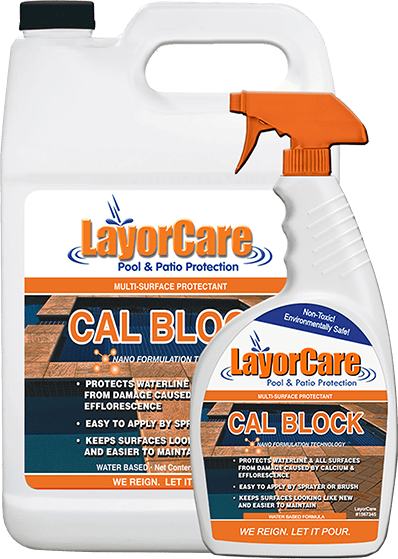
Protect Long-Term with “Cal Block”
• Cal Block creates a durable barrier that helps prevent future calcium and hard scale deposits from bonding to your tiles.
• It’s safe, eco-friendly, and makes future cleanings fast and easy.
• Apply every 3–6 months for ongoing protection.
• Important: Do not use Cal Block near water containing fish.
• Lower the waterline below the tile surface, ensure it's clean and dry, then spray Cal Block evenly across the area.
• Let dry for 5–10 minutes.
• Apply a second coat for maximum coverage.
• Buff off any excess once it dries.
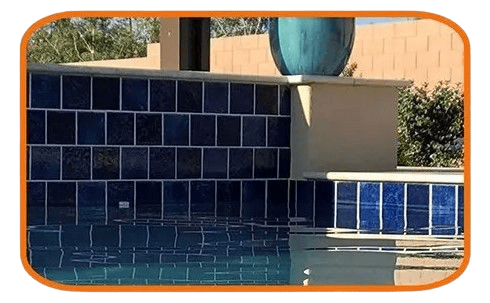
• Once dry, your tile is protected and ready for water exposure.
Cleaning your pool tiles shouldn't be complicated or tough. Grab your Heavy Calcium Releaser, TR3, and Cal Block to see results you'll love.
Sources
https://comfyliving.net/swimming-pool-statistics/
https://www.layorcare.com/heavy-calcium-releaser
https://www.layorcare.com/tr3-pool-tile-sealer
https://www.layorcare.com/cal-block-multi-surface-protectant
https://irp-cdn.multiscreensite.com/cf1f75d4/files/uploaded/LayorCare%20Products%20TR3.pdf