What Causes White Haze After Sealing Concrete or Pavers?
What Causes White Haze After Sealing Concrete or Pavers? If you have ever stepped outside after a weekend sealing project and noticed a chalky film, milky cloudiness, or blotchy whitening across your concrete or pavers, you already know how discouraging it can feel. You put in the prep work, bought sealer, waited for drying, and expected a rich, even finish. Instead, the surface looks faded, patchy, or dusty, and sometimes it even feels slightly gritty. This “white haze” often shows up when you least expect it, sometimes within hours, other times a day or two later, and it can spread across patios, driveways, pool decks, and walkways.
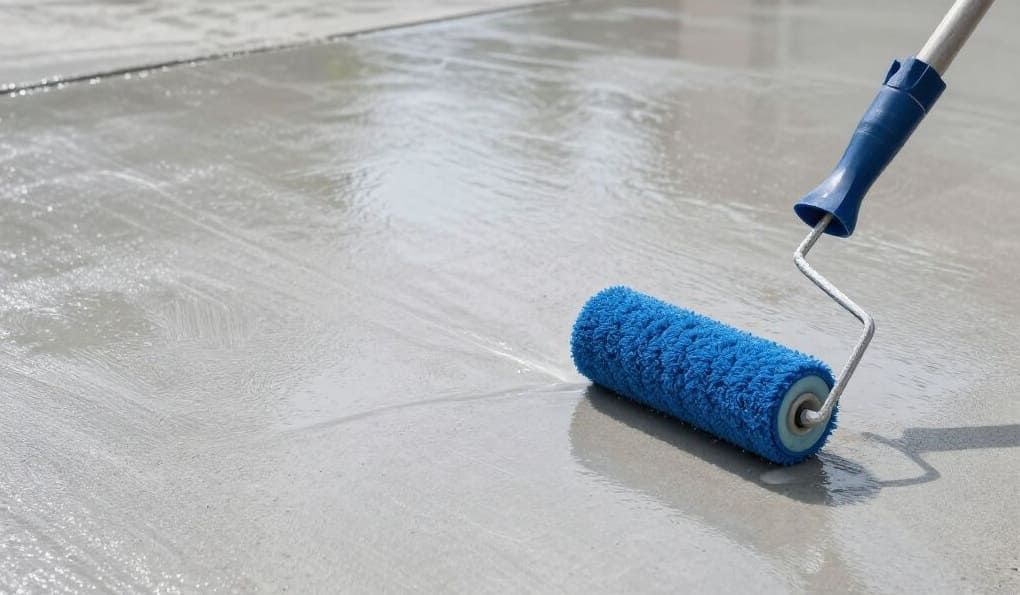
The good news is that white haze is usually a symptom of a specific process, not a mystery defect. The better news is that once you understand why it forms, you can prevent it and, in many cases, correct it without damaging the surface. This guide explains what white haze is, the most common causes, how sealer type and weather influence risk, and how to fix hazy concrete sealer or paver whitening after sealing using safe, surface-appropriate methods. You will also learn how professional grade, eco safe cleaners and sealers like LayorCare Pool & Patio Protection can help you achieve clear, durable, visually appealing results.
Table of Contents
- 1. What white haze is and how it forms
- 2. Common causes: moisture, prep, over application, compatibility
- 3. Solvent based vs water based sealers and haze risk
- 4. Environmental factors: humidity, temperature, curing time
- 5. How improper cleaning before sealing creates residue
- 6. Prevention strategies before and during sealing
- 7. Safe ways to remove or correct white haze
- FAQ: 10 common questions
- Conclusion
1. What white haze or whitening is and how it forms
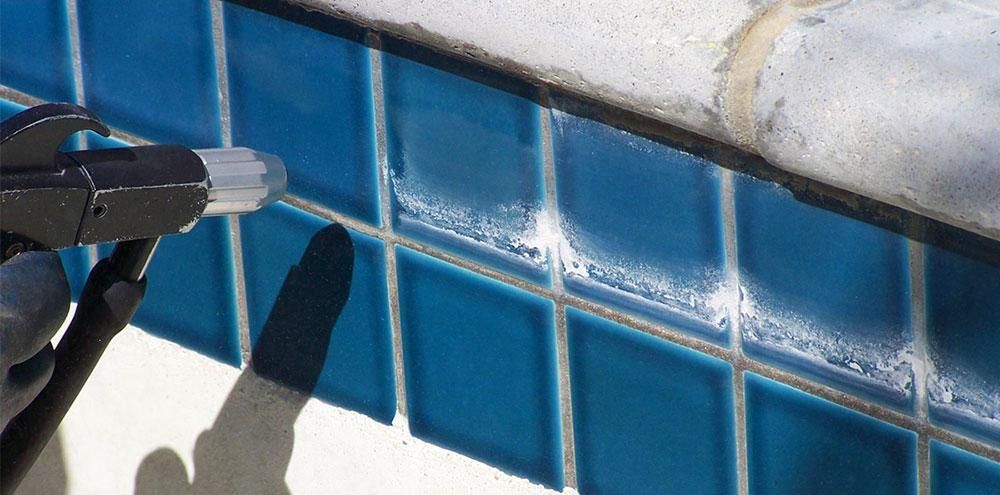
White haze on pavers or sealed concrete usually appears as a milky, cloudy cast, chalky residue, or blotchy whitening that sits on or within the sealer film. On some projects it is uniform like a thin fog. On others, it clusters in low spots, joints, edges, or areas that received more product. It can show up on broom-finished concrete, stamped concrete, exposed aggregate, natural stone, and concrete pavers. Around pools, it often stands out because water exposure and evaporation cycles are constant.
From a materials standpoint, haze forms when the sealer layer is disrupted. That disruption can happen for several reasons: moisture can become trapped and turn the sealer cloudy; the sealer can dry too fast on the top while staying soft underneath; contaminants can block bonding; or incompatible products can react and leave a visible residue. Sometimes haze is on the surface and can be removed mechanically or chemically. Other times it is within the film, which requires re-emulsifying or re-softening the sealer so it can level out.
It helps to think of sealer as a protective system, not just a shine coat. When the system is applied over a surface that is too wet, too dirty, too cool, or too hot, the system can lock in problems. That is why homeowners and property managers often ask: why paver sealer turns white even when the surface looked dry. The answer is often hidden moisture, hidden residues, or application and curing conditions that did not allow the film to form correctly.
Quick identifiers: surface haze vs film haze
- Surface haze : feels powdery or gritty, may wipe off slightly, often linked to salts, dust, joint sand residue, or cleaner residues.
- Film haze : looks milky within the coating, feels smooth, may not wipe off, often linked to trapped moisture, over application, or curing problems.
2. Common causes of concrete sealer haze and paver whitening after sealing
Most haze problems trace back to a handful of root causes. The challenge is that multiple causes can overlap on a single job. For example, a patio can be pressure washed (leaving moisture and etching), then sealed too soon (trapping water), and then over-applied in shaded zones (slowing evaporation). The result looks like one issue, but it is actually a combination.
Cause A: Trapped moisture under the sealer
Trapped moisture is one of the most common reasons for concrete sealer haze . Concrete and pavers are porous. Even when the top feels dry, moisture can remain below the surface after rain, irrigation, pool splash-out, pressure washing, or overnight humidity. When sealer is applied, that moisture tries to escape as vapor. If the sealer film forms before vapor can pass through, the vapor can create micro-bubbles and a cloudy appearance.
This is especially common on pool decks and patios where water is frequent. It is also common on shaded areas that dry slower. If haze is worse in shaded or low airflow zones, moisture is a prime suspect.
Cause B: Improper surface prep and contaminants
Surfaces that look clean can still contain contaminants that interfere with sealer bonding and clarity. Common culprits include dust, leftover joint sand fines, efflorescence, old acrylic residues, detergent films, hard water minerals, and oils from grills or vehicles. When sealer bridges over these residues, it can dry unevenly or form a cloudy layer.
If you used a household cleaner not intended for pre-seal preparation, it may leave surfactants behind. Those surfactants can create streaking, whitening, or a dull film. Professional grade, rinse-friendly cleaners from LayorCare Pool & Patio Protection are designed to clean effectively without leaving residues that can contribute to discoloration.
Cause C: Over application and thick spots
Over application is a classic “looks good while wet, turns cloudy later” issue. If you apply too much sealer, the top layer can skin over while the material underneath stays soft. As solvents or water try to escape, the film can blush, cloud, or turn white. Thick areas may also trap more moisture and amplify haze.
Over application commonly happens when:
- The roller is overloaded and leaves puddles or lap lines.
- Sealer is sprayed too heavily and not back-rolled.
- Second coats are applied too soon.
- Highly porous areas absorb more, then the installer keeps adding sealer to “even it out.”
Cause D: Incompatible sealer chemistry or layering
Not all sealers play well together. Applying a water based sealer over a solvent based acrylic (or vice versa) without proper compatibility testing can cause hazing, whitening, or adhesion issues. Likewise, applying a high-gloss film-former where a breathable penetrating sealer is needed can increase moisture trapping and haze risk.
If you do not know what product was used previously on a property, assume there may be a layer present. A small test patch in an inconspicuous area is a smart risk reduction step for property managers.
Cause E: Sealer re-emulsification from early water exposure
Some sealers are vulnerable to water during early cure. If sprinklers run, rain hits, or pool splash-out saturates a deck before the sealer has cured, the sealer can partially re-emulsify. That can produce a white, cloudy appearance that looks like a stain but is actually a disrupted film.
| Cause | Common clues | Typical locations |
|---|---|---|
| Trapped moisture | Cloudy film, worse in shade, appears after humidity | Pool decks, shaded patios, low spots |
| Residues/contaminants | Streaks, dull patches, powdery feel | Joints, edges, grill areas, drive lanes |
| Over application | Puddles, lap lines, sticky areas | Roller overlaps, corners, near walls |
| Incompatible products | Whitening plus peeling or poor adhesion | Previously sealed surfaces |
| Early water exposure | Haze after rain or sprinklers within 24 to 72 hours | Open patios, pool decks |
3. Solvent based vs water based sealers and haze risk
Choosing the right sealer is not only about sheen. It is also about breathability, cure behavior, and how the product responds to moisture and environmental conditions. A major question behind why paver sealer turns white is whether the sealer type was a good match for the surface and conditions.
Solvent based sealers
Solvent based acrylics and similar film-forming sealers are popular because they can enhance color and create a noticeable finish. They also tend to dry quickly, which can be helpful when weather windows are tight. However, fast skinning can increase haze risk when the substrate contains moisture. Some solvent based products can also “blush” in high humidity, creating a milky cast as moisture interacts with the curing film.
Water based sealers
Water based sealers often have lower odor and can be easier to work with. Many are designed with environmental and application safety in mind. The tradeoff is that some water based films are more sensitive to early water exposure. They can also appear cloudy if applied too thick, because the water portion must evaporate fully for the film to become clear.
Penetrating sealers
Penetrating sealers, such as silane and siloxane products, generally do not form a visible surface film. Instead, they reduce absorption while maintaining breathability. Because they do not create a heavy coating, they often carry a lower risk of classic “milky haze.” That said, they still require proper prep, correct coverage, and adequate drying. They can also highlight existing residues if the surface was not cleaned properly.
| Sealer type | Finish | Haze risk drivers | Best-fit areas |
|---|---|---|---|
| Solvent based film-former | Often satin to high gloss | Humidity blush, trapped moisture, thick application | Pavers, decorative concrete (with good dry conditions) |
| Water based film-former | Matte to satin, some gloss | Thick coats, early water exposure, incomplete drying | Patios, walkways, occupied properties |
| Penetrating sealer | Natural look | Residues showing through, uneven absorption | Pool decks, breathable systems, wet climates |
LayorCare Pool and Patio Protection positions its systems around long lasting durability, vibrant aesthetics, and environmental safety. The safest path is choosing a compatible cleaner and sealer system designed for outdoor surfaces and the conditions they live in, especially around pools and patios where moisture cycles are constant.
4. Environmental factors: humidity, temperature, and curing time
Even the right product can haze when the environment is wrong. Outdoor sealing is a chemistry project exposed to weather variables that change by the hour. The biggest environmental drivers include humidity, temperature, dew point, sun exposure, and airflow.
Humidity and dew point
High humidity slows evaporation. If the sealer relies on evaporation for curing, the film can stay soft longer and become vulnerable to whitening. Humidity also increases the chance of condensation forming on the surface at night. If you seal late in the day, the surface can cool and reach the dew point, creating a thin film of moisture on top of the fresh sealer. That can lead to cloudiness by morning.
Temperature extremes
Cold temperatures slow curing and can leave sealers vulnerable to water exposure longer. Hot temperatures can flash-dry the top layer, increasing the chance of skinning and trapping solvents or moisture beneath. Both scenarios raise the risk of paver whitening after sealing .
Curing time windows
One of the most common mistakes is using “dry to the touch” as a green light for water exposure or a second coat. Many systems need longer to cure through the film. If you apply coat two too soon, or if sprinklers run overnight, you can end up asking: how to fix hazy concrete sealer the next day.
| Condition | Risk level | Why it matters | Practical adjustment |
|---|---|---|---|
| High humidity | High | Slower evaporation, higher blush risk | Seal earlier, use thinner coats, increase airflow |
| Cool nights | Medium to high | Dew formation on fresh sealer | Avoid late-day application |
| Direct hot sun | Medium | Top skins fast, can trap beneath | Work in sections, avoid puddling, back-roll |
| Rain within cure window | High | Film disruption and whitening | Check forecast, extend cure time before exposure |
5. How improper cleaning before sealing contributes to residue and discoloration
Cleaning is not just cosmetic. It directly affects bonding, clarity, and even how light reflects through a sealer film. Many haze problems are actually residue problems that were sealed in place.
Common cleaning-related contributors
- Detergent residue : leaves surfactants that can cause streaking and cloudiness.
- Hard water minerals : can dry as a faint white film that becomes more visible under sealer.
- Efflorescence : salts migrating to the surface can look like haze even without sealer, but sealing too early can trap them.
- Joint sand fines : on pavers, sand dust can sit on the surface and become embedded in the coating.
- Organic growth : algae and mildew may not be fully removed, leading to discoloration patterns.
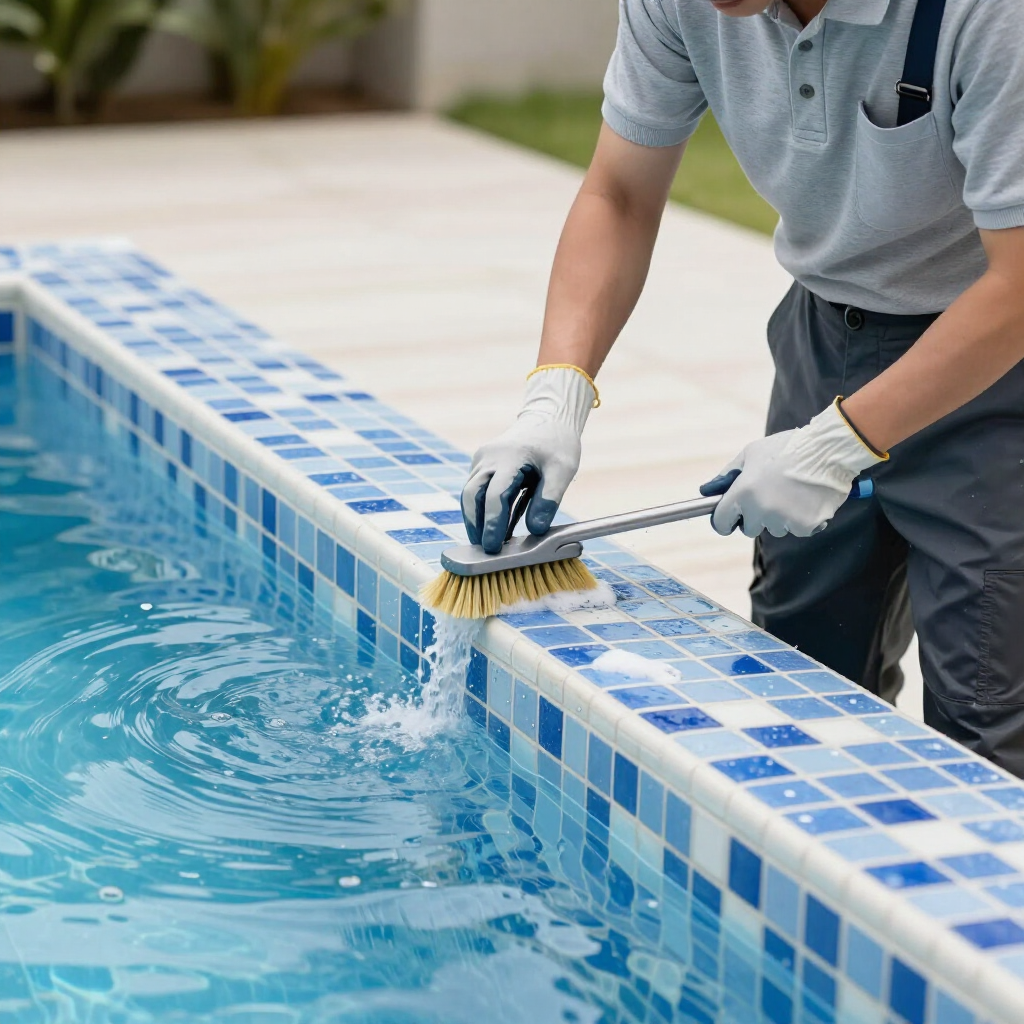
For homeowners and DIY enthusiasts, the safest approach is to use a cleaner formulated for outdoor hardscapes that rinses clean and supports sealing. LayorCare Pool & Patio Protection is positioned as a trusted source for eco safe cleaners designed for pool decks, patios, and pavers, which is important because harsh acids or incompatible degreasers can etch or weaken surfaces and create new appearance problems.
Why pressure washing can increase haze risk
Pressure washing can be effective, but it can also force water deep into pores and joints. If you seal before that moisture has fully dissipated, you increase the chance of haze. Pressure washing can also leave striping if the wand is uneven, and those patterns can become more visible under a glossy film. If you pressure wash, build in extra drying time, especially for shaded areas and around pools where evaporation is slower.
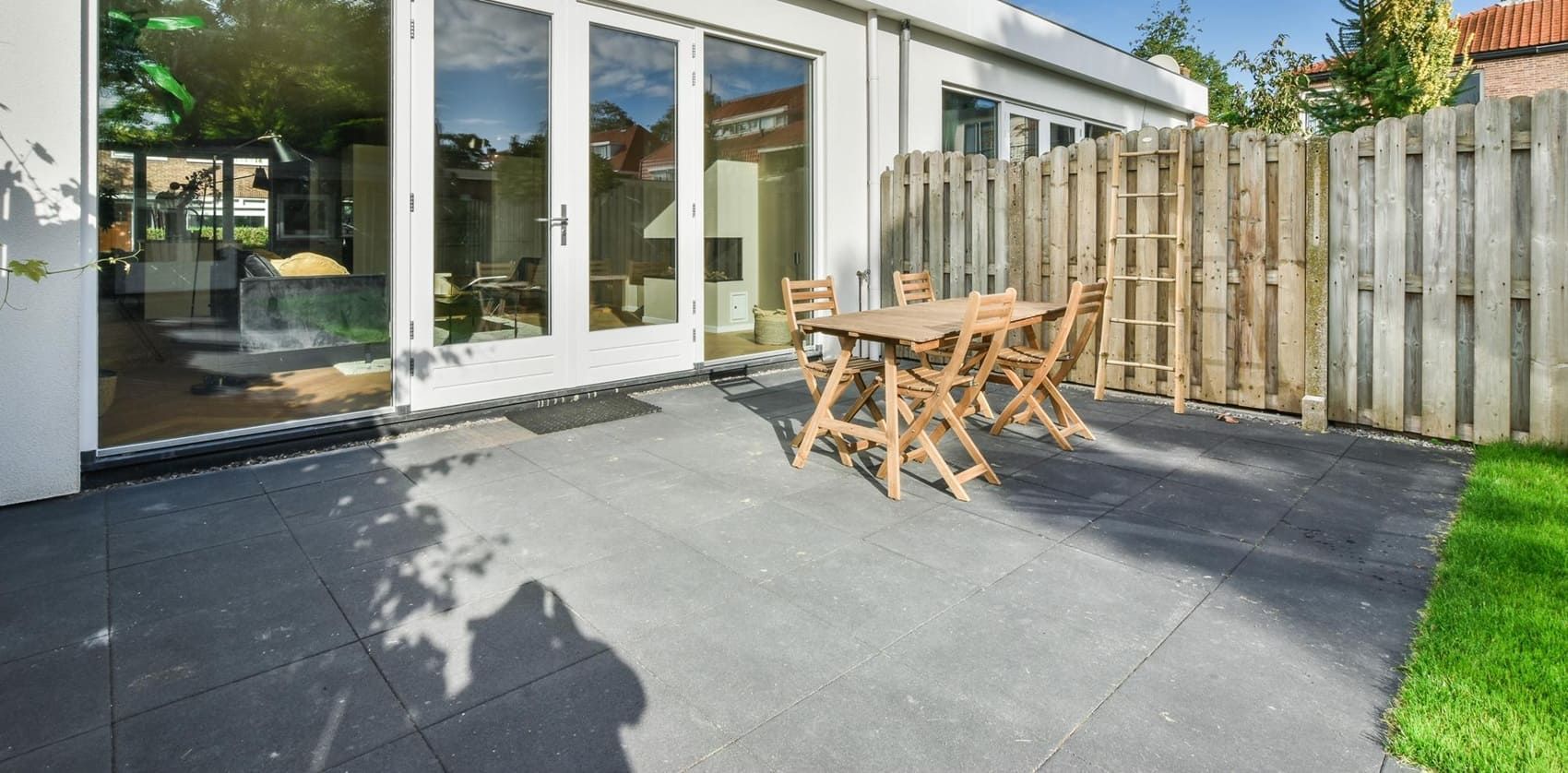
6. Prevention strategies to avoid haze before and during sealing
The most reliable way to prevent white haze on pavers and concrete is to control what you can: surface condition, product selection, application thickness, and timing. The goal is to give the sealer a clean, dry, compatible substrate and a stable environment for curing.
Step 1: Verify dryness beyond the surface
Dry-to-touch is not dry-through. Give the surface time after rain or washing, and pay attention to shade, joints, and low areas. If you are sealing a pool deck, consider splash zones and runoff. If you can, do a simple moisture check with plastic sheeting taped down for several hours. Condensation indicates remaining moisture.
Step 2: Clean with the right chemistry and rinse thoroughly
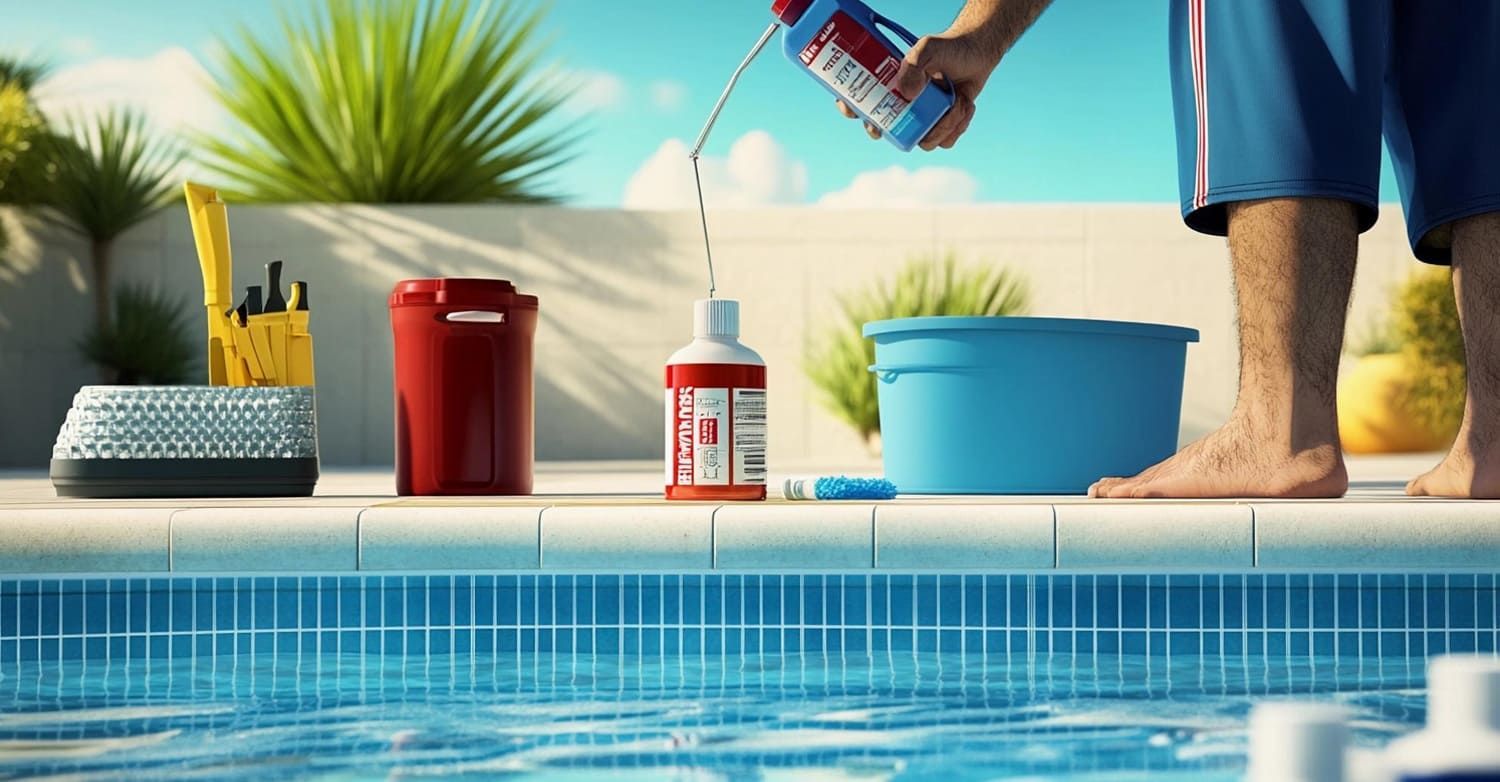
Use a cleaner appropriate for concrete, pavers, or stone, and follow label dilution and dwell times. Rinse until water runs clear and no suds appear. This is where eco safe, purpose-built systems like LayorCare Pool and Patio Protection can be valuable because they are designed to remove soils without leaving films that cause residue and discoloration.
Step 3: Choose the right sealer for your goals and conditions
Decide whether you need a film-forming finish enhancement or a breathable, natural-look barrier. In wet climates, or around pools, breathability can be a major factor in reducing moisture-related haze. If color enhancement is the goal, choose a product engineered for your surface type, and avoid mixing systems unless compatibility is confirmed.
Step 4: Apply thin, even coats and avoid puddles
Most haze issues from application are thickness issues. Apply thin, even coats. Back-roll sprayed material to even it out. Avoid working sealer into foamy layers. Respect recoat windows. If the product calls for two light coats, do not replace that with one heavy coat.
Step 5: Protect the cure window
Block sprinklers, redirect foot traffic, and plan for pets, furniture, and pool activity. Keep water off during the cure window. Many “sealer turned white” cases are simply early water contact.
| Prevention checkpoint | What to do | Why it helps |
|---|---|---|
| Dryness | Allow extended dry time after washing or rain | Reduces trapped moisture haze |
| Prep cleaning | Use rinse-clean cleaner, remove joint sand fines | Prevents residue under film |
| Compatibility | CandiceTest patch if surface was previously sealed | Avoids reactions and adhesion issues |
| Application | Thin coats, back-roll, no puddles | Prevents skinning and cloudiness |
| Cure protection | Keep water off, follow cure timing | Prevents re-emulsification whitening |
7. Safe methods to correct or remove white haze without damaging the surface
If you already have haze, the right fix depends on the cause and whether the haze is on the surface or within the film. The goal is to correct the issue without etching the substrate or stripping more than necessary.
Method 1: Allow additional cure time and recheck
Some cloudiness is temporary if the sealer is still curing. Before aggressive steps, give it time in dry conditions. If the haze improves daily, it may be moisture dissipating. Keep water off the area during this period.
Method 2: Gentle cleaning to remove surface residues
If the haze feels chalky or powdery, it may be residue. Start with a gentle cleaning approach. Use a cleaner intended for sealed outdoor surfaces, rinse thoroughly, and avoid harsh acids unless you are certain the sealer and substrate can tolerate them. Eco safe cleaners from LayorCare Pool & Patio Protection are designed to support maintenance and can be a safer starting point for homeowners and property managers.
Method 3: Re-emulsify or re-level the sealer film (product-specific)
Some film-forming sealers can be re-softened so the coating re-levels and clears. This may involve applying a compatible recoat or a manufacturer-approved solvent wipe. This step is highly product-specific. If you are unsure what sealer was used, test in a small area first.
Method 4: Mechanical removal and reseal (when necessary)
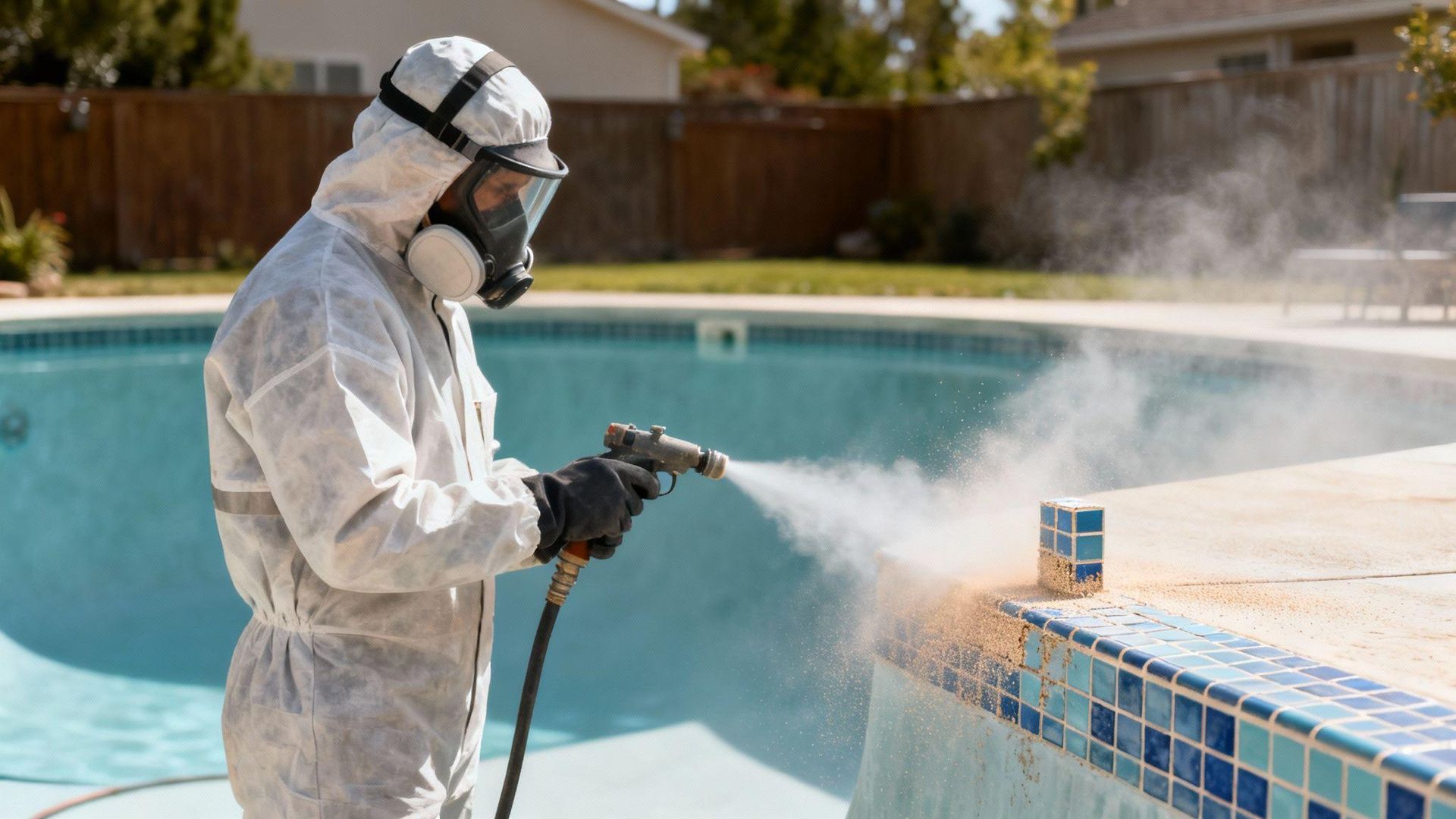
When the film is severely compromised, peeling, or whitening throughout, removal may be the safest long-term option. Stripping or mechanical abrasion should be approached carefully to avoid damaging pavers or altering concrete texture. After removal, focus on correcting the underlying cause: moisture, prep, compatibility, or environment. Then reseal using thin coats and appropriate cure protection.
| Haze severity | Most likely type | Safer first step | Escalation step |
|---|---|---|---|
| Light, improving | Moisture-related film haze | Wait and protect from water | Product-specific re-leveling |
| Powdery residue | Surface haze | Gentle cleaner + thorough rinse | Targeted residue removal |
| Heavy milky film | Over-application or re-emulsification | Test re-soften method | Strip and reapply correctly |
| Peeling plus haze | Compatibility failure | Stop recoating, test removal | Full removal + compatible system |
If you are dealing with a commercial property or a large pool deck, consider documenting conditions and products used. Property managers benefit from a repeatable maintenance system: clean with eco safe cleaners designed for hardscapes, apply compatible sealer in thin coats, and enforce cure-time protection. That is the approach LayorCare Pool and Patio Protection supports with professional grade solutions focused on durability and environmental safety.
FAQ: White haze after sealing concrete or pavers
Is white haze on pavers permanent?
Not always. If the haze is moisture-related and the sealer is still curing, it may improve over time. If it is a residue sealed into the film or a compatibility problem, it may require cleaning, re-leveling, or removal and reseal.
How long should concrete or paver sealer cure before getting wet?
It depends on the product and conditions, but many sealers need at least 24 to 72 hours before exposure to water, and longer in cool or humid conditions. Always follow the product’s cure guidance, and protect the surface from sprinklers and rain during that window.
Why did my paver sealer turn white after rain?
Most commonly, rain hit before the sealer fully cured, which can disrupt the film and create whitening. It can also happen if moisture was trapped under the film and the rain increased vapor pressure and cloudiness.
Can trapped moisture cause concrete sealer haze even if it looked dry?
Yes. Moisture can remain below the surface after pressure washing, rain, or pool splash-out. When sealed, that moisture can create a milky haze as it tries to escape.
What is the safest way to clean before sealing?
Use a cleaner formulated for outdoor concrete and pavers that rinses clean and does not leave surfactant residue. Eco safe options from LayorCare Pool & Patio Protection are designed for pool decks, patios, and pavers and help reduce the risk of residue-related discoloration.
Can I apply another coat to fix hazy concrete sealer?
Sometimes a compatible recoat can re-level a film and reduce haze, but it can also make the problem worse if the haze is caused by trapped moisture, over application, or incompatibility. Always test a small section first and confirm compatibility.
Do water based sealers haze more than solvent based sealers?
Both can haze, but for different reasons. Water based products can look cloudy if applied too thick or exposed to water too early. Solvent based products can blush in humidity and can trap moisture if the surface was not dry enough.
What temperatures are best for sealing patios and pool decks?
Moderate temperatures with low humidity and stable conditions are best. Extremes in heat or cold can increase haze risk by disrupting drying and curing behavior. Check the product label for minimum and maximum temperature ranges.
Does over application cause paver whitening after sealing?
Yes. Thick coats can skin over on top while remaining soft underneath. As the trapped components try to escape, the film can cloud and whiten, especially in shaded or humid areas.
How do I choose an eco safe sealer for outdoor surfaces?
Look for a product engineered for your surface type and exposure conditions, especially around pools where water and chemicals are present. A system approach that includes compatible cleaning and sealing products, such as LayorCare Pool & Patio Protection , helps reduce haze risk and supports long lasting durability and vibrant aesthetics.
Conclusion
White haze on pavers and concrete after sealing is frustrating, but it is also predictable once you know the triggers. In most cases, the haze comes down to moisture management, surface preparation, correct application thickness, compatible sealer selection, and protecting the cure window. Trapped moisture, residues from improper cleaning, over application, incompatible products, and early water exposure are the most common reasons homeowners and property managers see concrete sealer haze, paver whitening after sealing, and cloudy residue on patios and pool decks.
The path to clear, durable, visually appealing results is a professional process: clean thoroughly with rinse-clean chemistry, confirm the surface is dry beyond the top layer, apply thin even coats, and let the sealer cure under stable conditions. Using high quality, eco safe cleaning and sealing products from LayorCare Pool & Patio Protection helps you reduce risk while enhancing and protecting your pool decks, patios, and pavers for the long term. When you build your project around the right preparation methods and a trusted product system, you can avoid haze and achieve the finish you expected from the start.
Recent Posts