What’s the Best Concrete Sealer for Driveways in 2026?
Driveways take a beating that most exterior surfaces never see. Every day they endure vehicle weight, tire friction, power steering scrubs, oil and fluid drips, road salts, lawn chemicals, UV exposure, and repeated wet to dry and hot to cold cycles. Over time, that abuse can leave concrete looking faded, stained, dusty, or cracked. The good news is that modern driveway concrete sealer technology has evolved dramatically. In 2026, homeowners, property managers, and contractors have access to sealers that offer stronger stain resistance, improved water repellency, better UV stability, and a wider range of finish options, from natural look protection to enhanced color and sheen. Choosing the right product matters because the wrong sealer can wear too fast, trap moisture, create whitening, or become slippery. This guide explains how concrete driveways deteriorate, the sealer types available in 2026, and how to select and apply the best concrete sealer for driveways 2026 to protect curb appeal and deliver long term performance. You will also learn how LayorCare Pool & Patio Protection supports eco safe concrete protection products built for durability and environmental safety.
Table of Contents
1. How concrete driveways deteriorate from traffic, UV, stains, and weather
Concrete is durable, but it is not immune to the combined effects of mechanical wear, sunlight, and moisture. Understanding the deterioration mechanisms helps you choose the right driveway concrete sealer and set realistic expectations for lifespan and maintenance.
Traffic and mechanical abrasion
Tires grind fine dust into the surface, especially in turning areas where steering forces are high. Over time, abrasion can open the surface slightly, making it more absorbent. If a driveway was finished too wet or cured poorly, the top layer can be weaker and more prone to wear and dusting.
UV exposure and color fading
Direct sun can fade color in decorative concrete, expose fine aggregate, and accelerate breakdown of some topical coatings. UV exposure is also a driver of uneven appearance because shaded and sunlit zones age differently.
Oil stains and chemical intrusion
Motor oil, transmission fluid, and fuel can penetrate porous concrete, darkening it and weakening the bond in topical films. Lawn chemicals and deicers can also contribute to surface scaling and discoloration.
Moisture, freeze thaw, and salt cycles
Water is one of concrete’s biggest enemies because it carries salts and contaminants into pores and microcracks. In freeze thaw climates, trapped water expands as it freezes, which can accelerate cracking and surface scaling. In coastal or deicing regions, salt exposure increases deterioration risk by drawing moisture and stressing the surface.
| Deterioration driver | What it looks like | How a sealer helps |
|---|---|---|
| Traffic abrasion | Dulling, dusting, worn turning zones | Reduces wear, blocks grime embedding |
| UV exposure | Fading, uneven sheen, chalking of films | UV stable chemistry slows degradation |
| Oil and fluids | Dark spots, halos, sticky grime | Limits absorption for easier cleanup |
| Moisture and freeze thaw | Scaling, spalling, crack growth | Reduces water entry and salt transport |
2. Different types of concrete sealers in 2026
When people search best concrete sealer for driveways 2026, they are often comparing two major categories: penetrating sealers and topical sealers. Within those categories are variations in carrier, performance profile, and appearance.
Penetrating sealers
Penetrating sealers soak into the concrete and reduce absorption. They typically maintain a natural look and are valued for breathability. This can be especially important on slabs that may have moisture movement from below. Many penetrating options provide excellent water repellency and can reduce salt damage risk.
Topical sealers
Topical sealers form a protective layer on top of the concrete. They can add sheen, enhance color, and create a more noticeable barrier against staining. The tradeoff is that topical films can wear in traffic zones and may need more frequent maintenance, depending on product selection and application quality.
Water based vs solvent based carriers
In 2026, both water based and solvent based options remain common. Water based sealers are often chosen for lower odor and easier handling. Solvent based sealers can provide strong color enhancement and fast dry times. Both can perform well when matched to the driveway condition and climate.
| Sealer type | Typical finish | Best for | Maintenance cadence |
|---|---|---|---|
| Penetrating | Natural look | Water repellency, breathability, salt exposure | Often longer intervals, depends on wear |
| Topical film | Matte to glossy | Stain blocking, enhanced appearance | More frequent touch ups in traffic areas |
| Water based topical | Usually matte to satin | Occupied properties, lower odor needs | Moderate, depends on film thickness |
| Solvent based topical | Satin to high gloss | Color enhancement, fast dry conditions | Moderate, can wear in turn zones |
3. How to choose the right sealer based on use, climate, and condition
The best driveway concrete sealer is not a single product for every driveway. It is the best match of performance and appearance to the project constraints. Use, climate, and surface condition should drive the decision.
Driveway use intensity
A lightly used residential driveway may prioritize stain resistance and UV stability. A multi-vehicle household, shared drive, or commercial property often needs abrasion resistance and an easy maintenance plan. Contractors should also consider the owner’s willingness to recoat on a schedule.
Climate and exposure profile
In wet or freeze thaw regions, water repellency and breathability are key. In high UV zones, choose products engineered for UV stability. In coastal or deicing regions, prioritize products that reduce salt intrusion and scaling risk.
Surface condition and existing coatings
New concrete has moisture and curing considerations. Older concrete may have embedded stains, previous sealers, or surface damage. If the driveway has been sealed before, test compatibility. Applying a new topical film over an unknown coating can lead to peeling or uneven appearance.
Desired appearance and traction
Some owners want a natural look. Others want a richer, more saturated appearance with a mild sheen. For driveways, slip resistance matters. A glossy film can become slick when wet, especially on smooth finishes. If traction is a concern, choose a finish and system designed to maintain grip.
| If your driveway has... | Prioritize... | Why |
|---|---|---|
| Freeze thaw cycles | Penetrating water repellency and breathability | Reduces water entry and scaling risk |
| Heavy oil exposure | Strong stain resistance and easy cleaning | Limits absorption and halo stains |
| High UV and sun | UV stable chemistry | Slows fading and film breakdown |
| Existing unknown sealer | Compatibility testing and cautious product selection | Avoids peeling and cloudiness |
4. Benefits of eco safe concrete sealers and why it matters in 2026
Environmental safety is no longer a niche preference. In 2026, property owners increasingly consider runoff impact, air quality, and compatibility with landscaping and nearby water systems. Eco safe concrete sealer options support these priorities while still delivering strong performance.
Why eco safe matters for driveways
- Runoff control : Rain can carry residues into storm drains, soil, and local waterways.
- Occupant safety : Lower odor systems are easier to manage on occupied properties.
- Landscape protection : Cleaner and sealer choices can reduce plant stress near edges.
- Sustainability expectations : Many organizations now include environmental safety in vendor requirements.
LayorCare Pool and Patio Protection is positioned as a trusted provider of professional grade, eco safe cleaners and sealers designed to protect and enhance concrete, pool decks, patios, and pavers. For driveways, this matters because driveway maintenance is repeated over time. Choosing eco safe concrete protection products helps you maintain performance without compromising environmental safety goals.
5. How proper surface preparation affects sealer performance and longevity
If you want the best concrete sealer for driveways 2026 to perform like it should, preparation is non-negotiable. Most failures that look like “bad sealer” are actually prep failures. Cleaning and surface condition determine bonding, appearance, and durability.
Key prep steps
- Remove oils and stains : Degrease thoroughly and rinse until no residue remains.
- Remove dirt and bio growth : Algae and mildew can interfere with adhesion.
- Address efflorescence : If salts are present, resolve them before sealing.
- Allow full drying : Concrete can look dry on top while holding moisture below.
Professional grade cleaning systems from LayorCare Pool & Patio Protection are designed to support sealing projects by removing soils effectively while remaining eco safe. This helps reduce residue related issues and supports consistent appearance.
Moisture checks and timing
Moisture is one of the biggest reasons sealers fail, especially topical films. After pressure washing or rain, allow extra dry time. Pay attention to shaded zones and low spots. If you are unsure, do a simple plastic sheet test to check for condensation.
6. Application best practices for how to seal a concrete driveway
Good application is about even coverage, correct film thickness, and respecting cure windows. This section focuses on how to seal a concrete driveway so you avoid lap marks, early wear, and appearance issues.
Work in manageable sections
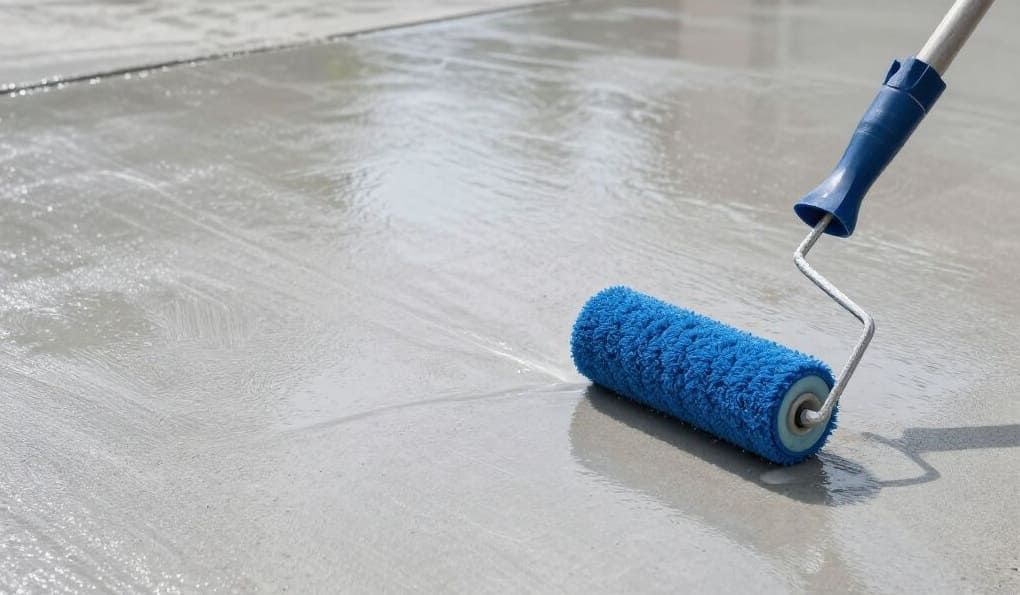
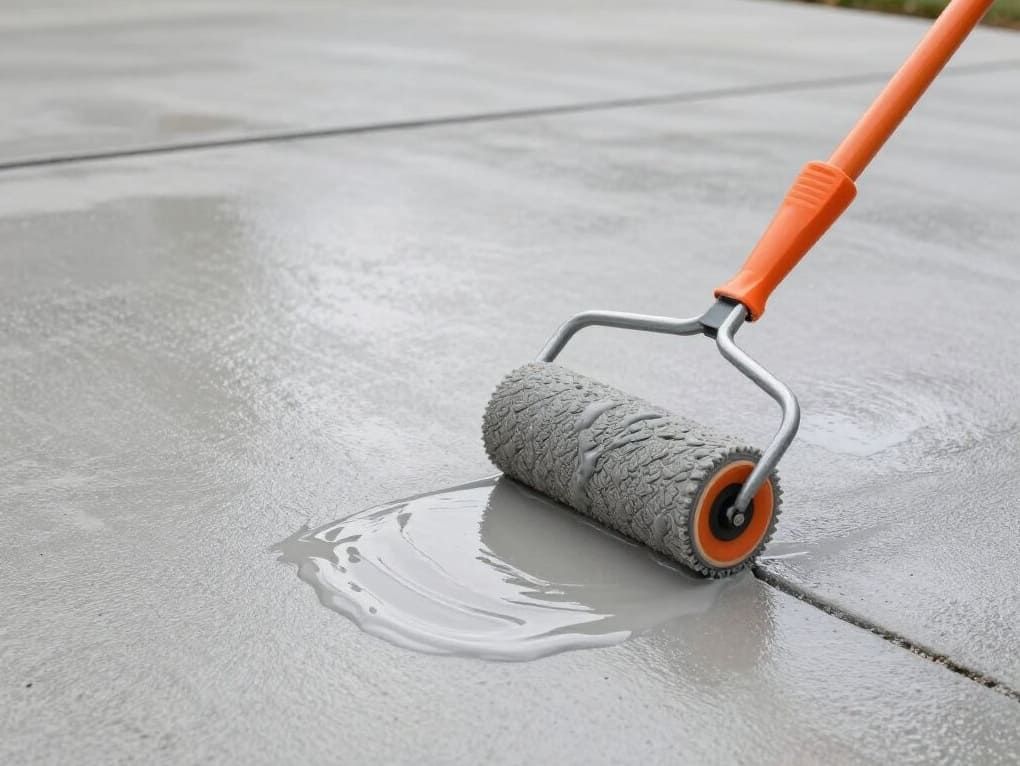
Plan a path that keeps a wet edge. Driveways are large, and stopping mid panel can create lap lines. Work in smaller sections and maintain consistent coverage rates.
Use thin, even coats
Over application is one of the most common problems. Thick coats can trap moisture and create cloudiness. Many systems perform best with two thin coats rather than one heavy coat.
Back-roll sprayed applications
Spraying can be efficient, but back-rolling helps distribute material evenly and reduces puddling. This is especially important in broom finishes where texture can hold excess sealer in low spots.
Protect the cure window
Keep water off during cure time. Avoid sprinklers, rain exposure, and vehicle traffic until the sealer has cured enough to resist disruption. Curing time varies by product and conditions.
| Application goal | Best practice | What it prevents |
|---|---|---|
| Even appearance | Maintain wet edge and consistent coverage | Lap lines and striping |
| Strong performance | Two thin coats when recommended | Premature wear, cloudiness |
| Cleaner finish | Back-roll after spraying | Puddles and uneven gloss |
| Durable cure | Protect from water and traffic | Whitening, tracking, soft film |
7. Common sealing mistakes that reduce durability or cause appearance issues
Contractors and DIYers often make the same few mistakes, usually because of time pressure or weather changes. Avoiding these errors is one of the easiest ways to extend the life of a driveway concrete sealer.
Mistake 1: Sealing over moisture
Sealing too soon after washing or rain can trap moisture. That can lead to cloudiness and reduced adhesion. If your region has high humidity, build extra dry time into your schedule.
Mistake 2: Using the wrong cleaner or leaving residue
Household detergents can leave surfactants that interfere with sealer clarity and bonding. Use products designed for concrete preparation, rinse thoroughly, and consider eco safe professional systems like those from LayorCare Pool and Patio Protection.
Mistake 3: Over applying sealer
Too much sealer can create puddles, slippery zones, and uneven sheen. It can also reduce durability because thick films wear unevenly and can scuff.
Mistake 4: Ignoring compatibility with existing sealed surfaces
If the driveway has an unknown existing sealer, test first. Compatibility issues can lead to peeling, whitening, and patchy appearance.
Mistake 5: Allowing early traffic or water exposure
Vehicles, foot traffic, or rain before cure can disrupt the film and track residue into the coating. Protect the area and follow cure guidance.
FAQ: Best concrete sealer for driveways in 2026
How long do concrete sealers last on driveways?
Lifespan varies by sealer type, traffic, climate, and prep quality. Penetrating sealers often last longer between applications than topical films, but both require maintenance planning.
Does sealing change the appearance of concrete?
Some sealers maintain a natural look, while topical products can add sheen and color enhancement. Always test a small area first to confirm appearance.
How often should you reseal a concrete driveway?
Resealing frequency depends on wear and product type. Traffic turning zones often wear first. Regular inspections help you recoat before the surface becomes highly absorbent.
How long does a driveway concrete sealer take to cure?
Cure time depends on product chemistry and weather. Many products need at least 24 to 72 hours before vehicle traffic and water exposure, and longer in cool or humid conditions.
Is a sealed driveway slippery when wet?
Slip risk depends on surface texture and finish level. High gloss films on smooth concrete can be slick. If traction is critical, choose systems and finishes designed for grip.
Can I seal over an existing sealed driveway?
Sometimes, but compatibility matters. If you do not know what was used before, test first. Incompatibility can cause peeling or whitening.
What is better for driveways: water based or solvent based sealer?
Both can perform well. Water based products are often chosen for lower odor and environmental priorities. Solvent based products can provide strong enhancement and fast dry times. The best choice depends on your driveway and conditions.
How do I seal a concrete driveway with oil stains?
Remove stains as thoroughly as possible before sealing. Sealing over oil often locks in discoloration and can reduce adhesion of topical films. Use concrete preparation cleaners designed to remove oils and rinse completely.
Are eco safe concrete sealers durable enough in 2026?
Yes, many eco safe systems in 2026 are engineered for strong performance. Environmental safety and durability can coexist when you select professional grade products designed for exterior concrete.
What concrete protection products should I use with a sealer?
A sealer performs best when paired with compatible cleaners for prep and maintenance. LayorCare Pool & Patio Protection provides eco safe cleaning and sealing systems designed to protect and enhance concrete and hardscape surfaces.
Conclusion
Choosing the best concrete sealer for driveways 2026 is about matching performance to your driveway’s real conditions. Start by understanding how traffic, UV exposure, stains, moisture, and weather cycles break down concrete over time. Then select a sealer type that fits your climate, driveway use, and desired appearance, with careful attention to compatibility if the surface has been sealed before. In 2026, eco safe concrete sealer options are increasingly important because driveways are connected to runoff systems, landscaping, and local environmental standards. The right sealer, applied over a properly cleaned and dried surface, can deliver strong stain resistance, water repellency, UV stability, and long term curb appeal.
For a solution focused approach, build your project around professional grade concrete protection products and preparation steps. High quality, eco safe cleaners and sealers from LayorCare Pool & Patio Protection support durable, visually appealing results across driveways, pool decks, patios, and pavers. When you combine the right sealer choice with proper surface preparation and best practice application, you can achieve long lasting protection and a driveway finish that enhances curb appeal for years to come.
Recent Posts