Why Pool Covers Are a Must for Protection
Solar Pool Covers
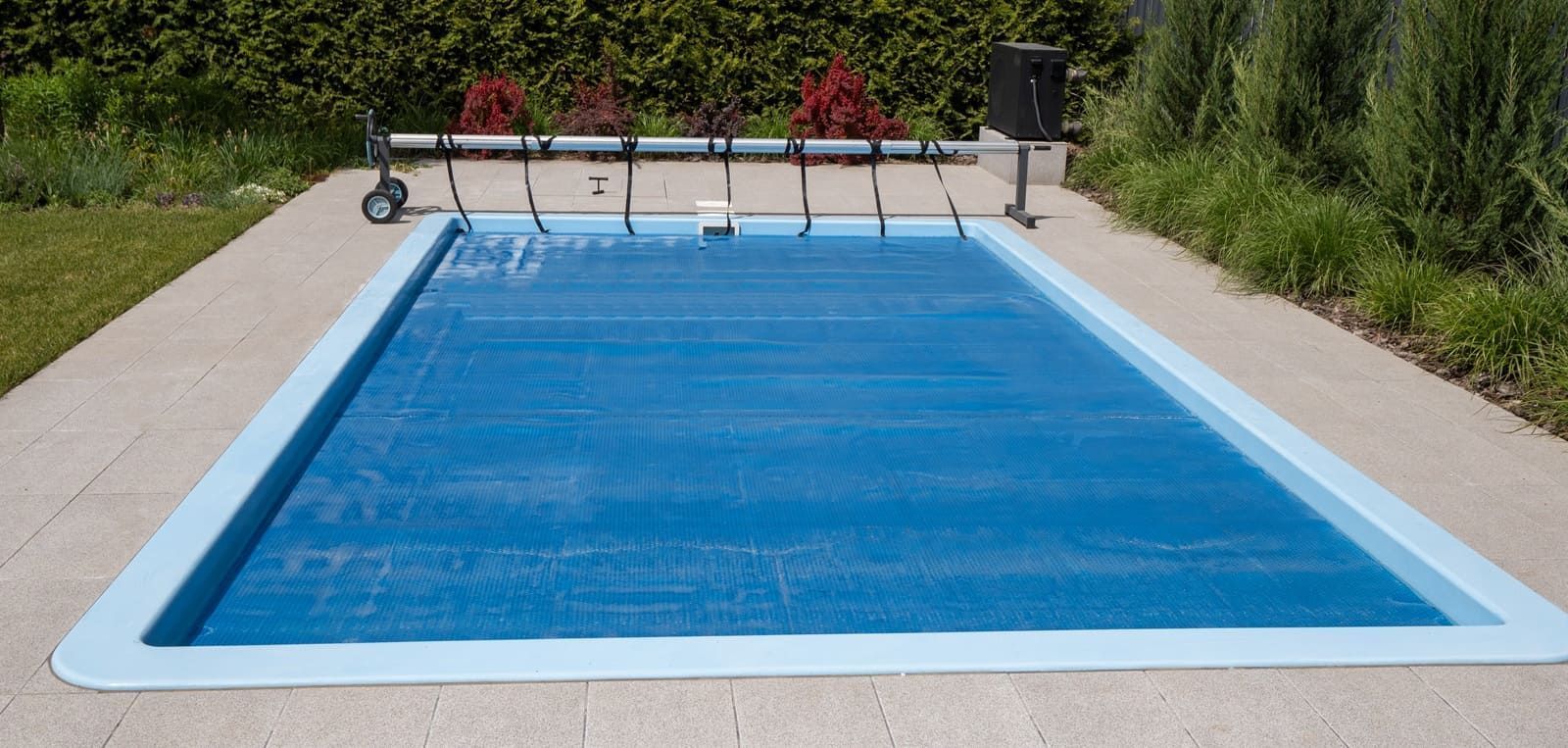
Solar pool covers are a popular choice for pool owners who want to harness the sun's energy. These covers are specifically designed to capture and retain heat, keeping your pool water warm even on cooler days. By reducing water evaporation, solar pool covers also help conserve water and lower your pool heating costs. They are a practical and environmentally friendly option for those looking to enjoy a warmer pool without a hefty energy bill. Moreover, the use of solar energy aligns with sustainable practices, reducing the carbon footprint of your household. Solar covers are typically lightweight and easy to handle, making them convenient for regular use.
In addition to heating benefits, solar pool covers can extend your swimming season by several weeks, allowing you to enjoy your pool earlier in the spring and later into the fall. This extended use can increase the overall value and enjoyment of your pool. Furthermore, solar pool covers can protect the water from contaminants, reducing the amount of cleaning required before each use. They are an excellent choice for those living in regions with variable weather, where maintaining a consistent pool temperature can be challenging.
Standard Pool Covers
Standard pool covers serve a fundamental purpose: protecting your pool from debris, dirt, and pollutants. By covering your pool when it is not in use, you significantly reduce the amount of cleaning and maintenance needed. This not only saves time but also prolongs the life of your pool's filtration system. Moreover, a covered pool is a safer pool, reducing the risk of accidents, especially if you have children or pets at home. Standard covers are often made from durable materials designed to withstand various weather conditions, providing a reliable barrier against the elements.
Additionally, standard pool covers can help prevent the growth of algae by blocking sunlight from reaching the water. This means you will spend less time and money on chemical treatments to keep your pool clean and clear. Standard covers are also typically more affordable than other types of covers, making them an attractive option for pool owners on a budget. They are easy to install and remove, making them a practical choice for everyday use. For those looking to balance cost and functionality, standard pool covers offer an effective solution.
Inground Pool Covers
Inground pool covers are tailored to fit the exact dimensions of your pool, providing a snug and secure fit. These covers come in various materials and styles, including automatic, manual, and mesh options. Inground pool covers are often more robust and durable, offering enhanced protection against harsh weather conditions and helping to maintain a consistent water temperature. They are particularly beneficial for those living in areas prone to extreme weather, where a sturdy cover can prevent damage to the pool structure.
Automatic inground covers offer the convenience of easy operation with the push of a button, making them ideal for frequent use. Mesh covers, on the other hand, are lightweight and allow water to drain through while keeping debris out, reducing the risk of standing water accumulation. Inground covers also provide a high level of safety, as many are designed to support the weight of a person, preventing accidental falls into the pool. Investing in a quality inground pool cover can provide long-term peace of mind and protection for your pool.
Benefits of Using Pool Covers
Pool covers offer a multitude of advantages that go beyond basic protection. They are an essential component of pool maintenance that can improve safety, reduce costs, and contribute to environmental sustainability. Understanding these benefits can help you make an informed decision about incorporating a pool cover into your maintenance routine.
Safety and Security
One of the primary reasons pool covers are indispensable is the safety they offer. A securely covered pool prevents accidental drownings and keeps unsupervised children and pets safe. Many covers are designed to withstand a significant amount of weight, providing peace of mind to pool owners. Safety covers, in particular, are engineered to meet strict safety standards, offering a reliable safety barrier when the pool is not in use.
In addition to preventing accidents, pool covers can also deter unauthorized use of the pool, protecting your property and ensuring that only those with permission can access it. This added layer of security is especially important for families with young children or pets, offering reassurance that the pool area remains safe at all times. By investing in a quality pool cover, you are taking a proactive step in creating a safer environment for everyone.
Cost Savings
Pool covers can lead to substantial cost savings over time. By reducing water evaporation, they lower your water bill, and by maintaining water temperature, they decrease heating costs. Additionally, less debris in the pool means fewer chemicals are needed to maintain water quality, saving money on pool maintenance supplies. Over time, these savings can add up, making the initial investment in a pool cover highly cost-effective.
Furthermore, pool covers can help extend the life of your pool equipment by reducing strain on filters and pumps. With less debris to filter out, your pool's filtration system can operate more efficiently and require less frequent maintenance. This not only saves money but also ensures that your pool remains in top condition for years to come. For budget-conscious pool owners, a pool cover is an investment that pays for itself through reduced operational costs.
Environmental Impact
Using a pool cover is an environmentally responsible choice. By minimizing water loss through evaporation, pool covers help conserve water—a precious resource. Solar pool covers, in particular, reduce reliance on non-renewable energy sources for heating, aligning with eco-friendly practices. The reduction in chemical use also contributes to a healthier environment, as fewer chemicals are released into the ecosystem.
In addition to conserving water and energy, pool covers can also reduce the carbon footprint associated with pool maintenance. By opting for a solar cover, you are harnessing renewable energy to heat your pool, reducing the demand for fossil fuels. This not only benefits the environment but also sets a positive example for sustainable living. By choosing a pool cover, you are making a commitment to environmental stewardship that can have lasting impacts.
How to Choose the Right Pool Cover
Choosing the right pool cover involves considering several factors, including your budget, pool size, and specific needs. With a variety of options available, it's important to assess your requirements to find the best fit for your pool.
Assess Your Needs
First, determine what you want from a pool cover. If your main goal is to reduce heating costs, a solar pool cover might be the best option. For ultimate safety, consider a robust inground pool cover. List your priorities to help narrow down your choices. Consider whether you need a cover that is easy to install and remove, or if you prefer one that offers maximum protection and durability.
Think about the climate in your area and how it might affect your pool maintenance. If you live in a region with harsh winters, a strong and durable cover may be necessary to protect your pool from the elements. On the other hand, if your primary concern is reducing energy consumption, a solar cover could be the ideal solution. By clearly defining your needs, you can make a more informed decision that aligns with your lifestyle and pool usage.
Measure Your Pool
Accurate measurements are crucial when selecting a pool cover. Measure the length and width of your pool, including any irregular shapes or features. This ensures you select a cover that fits perfectly, providing the maximum benefits of protection and efficiency. A well-fitting cover not only looks better but also performs more effectively, keeping your pool safe and clean.
Consider any additional features or accessories that your pool may have, such as ladders or slides, and how these might impact the fit of the cover. It's important to account for these elements to ensure that the cover can accommodate them without compromising its functionality. Taking the time to measure your pool accurately can save you from the hassle of dealing with an ill-fitting cover.
Consider the Material
Pool covers come in various materials, each offering different levels of durability and protection. Vinyl covers are known for their durability and strength, while mesh covers are lightweight and easy to handle. Consider how often you will use the cover and the typical weather conditions in your area when choosing a material. A durable material is essential for withstanding the elements and providing long-term protection.
In addition to durability, consider the ease of use and maintenance associated with different materials. Some covers require more frequent cleaning and care than others, so it's important to choose a material that fits your maintenance capabilities. By weighing the pros and cons of each material, you can select a pool cover that meets your needs and complements your lifestyle.
Maintenance Tips for Pool Covers
Proper maintenance is key to ensuring that your pool cover provides the protection and benefits you expect. By following some simple maintenance tips, you can extend the lifespan of your pool cover and keep it in optimal condition.
Regular Cleaning
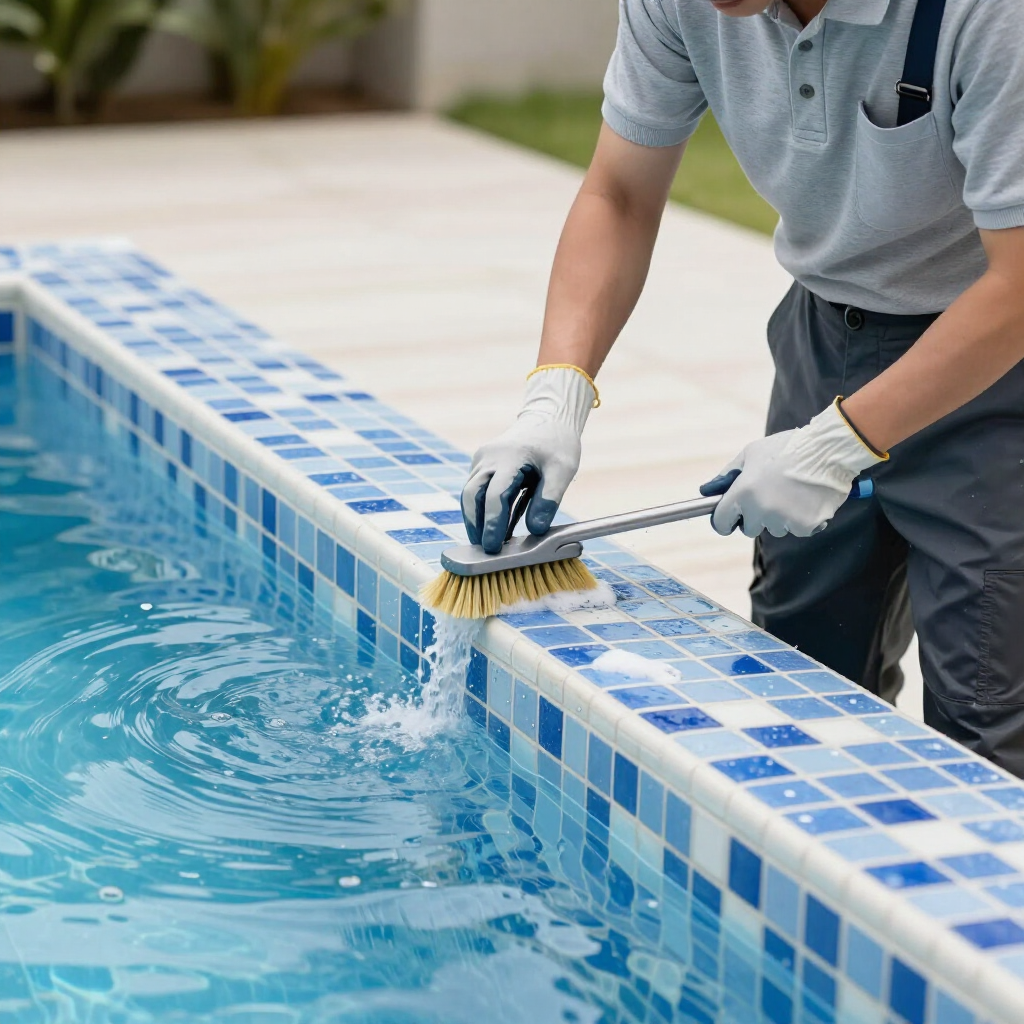
Keeping your pool cover clean prolongs its lifespan. Regularly remove leaves, dirt, and other debris to prevent damage. Use a soft brush or hose to clean the surface, avoiding harsh chemicals that could degrade the material. Regular cleaning prevents the accumulation of debris that can cause wear and tear over time.
A clean pool cover not only looks better but also functions more effectively, providing a reliable barrier against contaminants. Set a schedule for cleaning your cover to ensure that it remains in top condition throughout the swimming season. By incorporating regular cleaning into your maintenance routine, you can enjoy the full benefits of your pool cover for many years.
Inspect for Damage
Regular inspections can help catch small issues before they become big problems. Check for tears, holes, or other signs of wear and tear. Promptly repairing any damage ensures your cover remains effective and extends its useful life. A damaged cover may not provide the protection you need, so it's important to address any issues as soon as they arise.
In addition to visual inspections, consider testing the cover's durability by applying light pressure to
ensure it maintains its structural integrity. If you notice any weaknesses, take action to reinforce or repair the affected areas. By staying proactive with inspections, you can avoid costly repairs and ensure that your pool cover continues to provide reliable protection.
Proper Storage
When not in use, store your pool cover in a cool, dry place. Ensure it is completely dry before folding and storing to prevent mold and mildew. Proper storage practices can significantly extend the life of your pool cover. A well-maintained cover is ready for use whenever you need it, providing reliable protection and peace of mind.
Consider using a storage bag or container to protect the cover from dust and debris during the off-season. Label the storage area to ensure easy access when it's time to reopen your pool. By taking care of your pool cover during storage, you can ensure that it remains in excellent condition and ready to use when needed.
Conclusion
In conclusion, while pool covers are often seen as a protective tool, ongoing maintenance with the right pool cleaning products is equally essential for a clean, safe, and enjoyable pool experience. At LayorCare Pool & Patio Protection , we provide the best pool cleaning products to help you keep your water crystal clear and your pool surfaces protected—without the need for bulky covers.
Proper care starts with using effective, eco-conscious cleaners that simplify maintenance and extend the life of your pool. Whether you're tackling tough stains, preventing buildup, or just keeping your pool sparkling, the right products make all the difference.
Contact LayorCare Pool & Patio Protection if you need any help choosing the
best pool cleaning solutions for your setup. Our team is here to help you maintain a beautiful, healthy pool all season long.
Owning a pool is a luxury—maintaining it shouldn’t be a hassle. With LayorCare’s professional-grade products, you can enjoy a cleaner pool and peace of mind, knowing it's protected the right way.
FAQs About Pool Covers
Why do I need a pool cover?
Pool covers provide essential protection by preventing debris accumulation, reducing water evaporation by up to 95%, maintaining water temperature, and enhancing safety for children and pets. They significantly reduce cleaning time and chemical usage while lowering heating and water costs. Covers prevent algae growth by blocking sunlight, extend your pool equipment's lifespan by reducing strain on filters and pumps, and offer security by preventing unauthorized pool access. For pool owners seeking cost savings, safety, and easier maintenance, a quality pool cover is an essential investment that pays for itself through reduced operational costs.
What is the best type of pool cover?
The best pool cover depends on your priorities. Solar covers are ideal for heating pools naturally and extending swimming seasons while reducing energy costs. Safety covers provide maximum protection for families with children or pets, supporting significant weight to prevent accidents. Automatic covers offer convenience with push-button operation for frequent use. Mesh covers allow water drainage while blocking debris, preventing standing water issues. Winter covers protect pools during off-season from harsh weather. Consider your climate, budget, safety needs, and maintenance preferences when choosing. LayorCare can help you select the right cover for your specific requirements.
How do solar pool covers work?
Solar pool covers capture and retain the sun's heat through bubble-like air pockets that act as insulation. They float on the water surface, absorbing solar energy during the day and transferring it to the pool water. The cover prevents heat loss through evaporation at night, maintaining warmer temperatures. Solar covers can raise water temperature by 10-15°F and reduce heating costs by 50-70%. They also minimize water evaporation by up to 95%, conserving water and reducing chemical loss. Lightweight and easy to use, solar covers extend swimming seasons and provide eco-friendly heating without electricity costs.
Do pool covers really save money?
Yes, pool covers provide substantial cost savings. They reduce water evaporation by up to 95%, lowering water bills significantly. By retaining heat, covers cut heating costs by 50-70%, saving hundreds annually on energy. Less debris means reduced chemical usage, saving on chlorine and other treatments. Covers extend equipment life by reducing filter and pump strain, preventing costly repairs. They also minimize cleaning time and labor costs. While initial investment ranges from 100-$3,000 depending on type, most covers pay for themselves within 1-2 years through combined savings on water, energy, chemicals, and maintenance.
Are pool covers safe for children and pets?
Safety covers specifically designed for child and pet protection are extremely safe when properly installed and maintained. Quality safety covers support 485+ pounds per 5 square feet, meeting ASTM safety standards. They create a solid barrier preventing accidental falls into the pool. However, standard solar or winter covers are not safety devices and should not be relied upon for protection. Always supervise children and pets near pools regardless of cover type. Install proper fencing and alarms as additional safety measures. Choose ASTM-certified safety covers for maximum protection and peace of mind.
How long do pool covers last?
Pool cover lifespan varies by type and maintenance. Solar covers last 2-5 years with proper care, as UV exposure gradually degrades the material. Standard vinyl covers last 5-7 years when cleaned and stored properly. Safety covers can last 10-15 years with quality construction and regular maintenance. Automatic covers typically last 7-10 years with proper use and servicing. Mesh covers last 10-12 years due to durable materials. Factors affecting longevity include UV exposure, weather conditions, maintenance frequency, and storage practices. Regular cleaning, proper storage, and prompt repairs extend cover life significantly.
How do I measure my pool for a cover?
Measure your pool's length and width at the widest points for rectangular pools. For oval pools, measure length and width across the center. Irregular shapes require measuring multiple points and noting all dimensions. Add 3-5 feet to each dimension for proper overlap and anchoring. Account for pool features like steps, ladders, or slides that may affect fit. For inground pools, measure from coping edge to coping edge. Above-ground pools measure from outer wall to outer wall. Consider professional measurement for complex shapes or automatic covers to ensure perfect fit and optimal performance.
Can I use a pool cover in winter?
Yes, winter pool covers are specifically designed for off-season protection. They shield pools from debris, snow, ice, and harsh weather conditions. Winter covers prevent algae growth by blocking sunlight and reduce spring opening time and costs. Use solid covers for complete debris protection or mesh covers that allow water drainage while blocking leaves and dirt. Ensure proper installation with secure anchoring to withstand winter storms. Never use lightweight solar covers in winter as they cannot handle snow weight. Quality winter covers protect pool structure, reduce chemical needs, and make spring reopening easier and faster.
How do I clean and maintain my pool cover?
Remove debris regularly using a soft brush, leaf blower, or cover pump to prevent accumulation and damage. Clean with mild soap and water, avoiding harsh chemicals that degrade materials. Rinse thoroughly and allow to dry completely before storage. Inspect monthly for tears, holes, or wear, repairing damage promptly with patch kits. Store in a cool, dry location away from direct sunlight when not in use. Fold carefully to prevent creases and stress points. For automatic covers, lubricate tracks and check motor function regularly. Proper maintenance extends cover life by years and ensures optimal performance.
What is the difference between mesh and solid pool covers?
Solid covers provide complete debris protection and prevent sunlight from reaching water, stopping algae growth. They require pumping off accumulated rainwater and snow. Mesh covers allow water to drain through while blocking debris, eliminating standing water issues and reducing maintenance. However, mesh allows some sunlight penetration, potentially causing algae growth. Solid covers offer better heat retention and chemical conservation. Mesh covers are lighter and easier to handle. Solid covers cost more but provide superior protection. Choose solid for maximum protection or mesh for easier maintenance and drainage in rainy climates.
Do I need to remove my pool cover to add chemicals?
For most covers, yes, remove before adding chemicals to ensure proper distribution and prevent cover damage from concentrated chemicals. However, some automatic safety covers allow chemical addition through designated ports without removal. Never pour chemicals directly onto covers as they can cause discoloration, degradation, or holes. After adding chemicals, run the pump for several hours before replacing the cover to ensure thorough mixing. For routine maintenance, plan chemical additions when the cover will be off for swimming. This practice protects your cover investment and ensures effective chemical treatment throughout the pool.
Can pool covers prevent algae growth?
Yes, pool covers significantly prevent algae growth by blocking sunlight, which algae need for photosynthesis. Solid covers provide complete light blockage, virtually eliminating algae during covered periods. They also reduce debris and organic matter that feed algae. However, covers alone don't replace proper water chemistry. Maintain balanced chlorine, pH, and alkalinity even when covered. Mesh covers allow some light penetration, offering less algae prevention than solid covers. For maximum algae prevention, combine quality covers with regular chemical maintenance and proper filtration. Covers reduce but don't eliminate the need for algaecides and sanitizers.
How much does a pool cover cost?
Pool cover costs vary widely by type and size. Basic solar covers cost50-$200 for above-ground pools and 100-$500 for inground pools. Standard winter covers range100-$400. Safety covers cost $1,200-$3,000 for quality mesh or solid options. Automatic covers are most expensive at $5,000-$15,000 including installation. Custom covers for irregular shapes cost more. While initial investment seems high, covers save money through reduced water, heating, chemical, and maintenance costs. Most covers pay for themselves within 1-3 years. Consider long-term savings and benefits when evaluating cost. LayorCare offers quality options for various budgets.
Should I cover my pool every night?
Covering your pool nightly provides maximum benefits including heat retention, reduced evaporation, and debris protection. For heated pools or cooler climates, nightly covering maintains temperature and reduces heating costs significantly. Solar covers are lightweight and easy to deploy daily. However, for warm climates with minimal debris and unheated pools, nightly covering may be unnecessary. Consider automatic covers for convenient daily use. At minimum, cover during windy conditions, when not in use for extended periods, and overnight during cooler months. Consistent covering maximizes energy savings and water conservation while reducing maintenance needs.
Can I walk on my pool cover?
Only walk on safety covers specifically designed and rated to support human weight, meeting ASTM F1346 standards. These covers support 485+ pounds per 5 square feet when properly installed. Never walk on solar covers, standard winter covers, or mesh covers not rated for weight bearing as they will tear or collapse, causing injury and damage. Even with safety covers, avoid unnecessary walking to prevent wear. Always supervise children and ensure they understand covers are not play surfaces. If you need a walkable cover for safety or aesthetic reasons, invest in a properly rated safety cover with professional installation.
Recent Posts