How Long Does Calcium Releaser Take to Work?
Calcium buildup on pool tile, stone, and waterline surfaces is one of the most common maintenance headaches for pool owners in Phoenix, AZ and across Maricopa County. Hard water, high evaporation, and constant mineral exposure allow stubborn white scale to cling to pool surfaces and dull the look of an otherwise clean pool. The first question many owners ask is simple: how long does calcium releaser take to work? The short answer is that light buildup may begin loosening in minutes, while heavier deposits can take longer and may require repeated application. Results depend on scale thickness, surface type, and how the product is applied. Using the wrong method, such as aggressive scraping or harsh acid, can etch tile, damage stone, or create unnecessary pH disruption. For many situations, a dedicated formula like LayorCare Heavy Calcium Releaser can be a smart option, but the best approach depends on buildup severity, material, and technique.
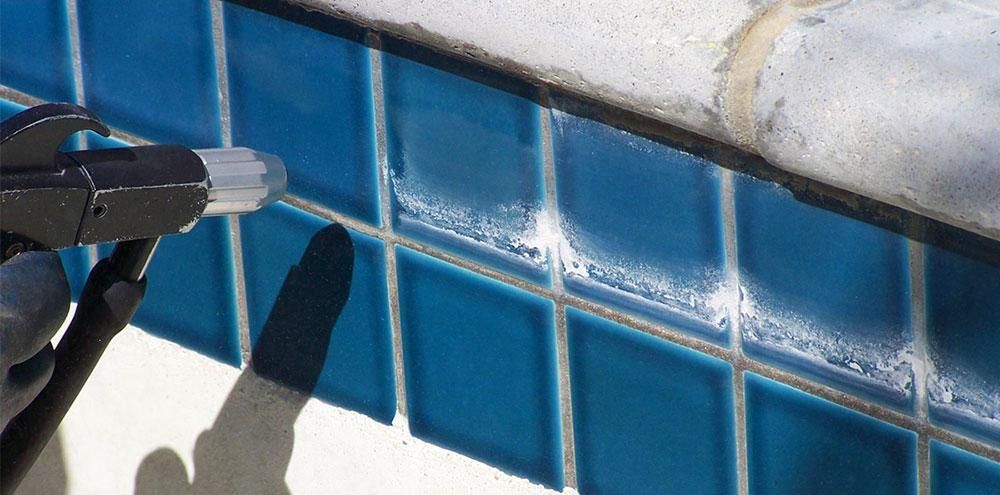
Table of Contents
1. What Is Calcium Buildup and Why Does It Form on Pool Surfaces?
2. How Long Does Heavy Calcium Releaser Take to Work?
3. Step-by-Step: How to Apply Calcium Releaser for Fastest, Safest Results
4. Factors That Affect How Quickly Calcium Dissolves
5. Signs Your Calcium Removal Method Is Working or Not
6. Calcium Releaser vs. Pressure Washing vs. Acid Washing vs. Manual Scraping
7. How to Prevent Calcium Buildup From Coming Back After Treatment
8. FAQ: Calcium Releaser and Pool Scale Removal
9. Conclusion and Next Step
What Is Calcium Buildup and Why Does It Form on Pool Surfaces?
Calcium buildup is a hardened mineral deposit that forms when dissolved calcium in pool water is left behind on tile, stone, grout, plaster, and other surfaces. In Phoenix and the Greater Phoenix area, this issue is especially common because local water is mineral rich and evaporation rates are high for much of the year.
As pool water evaporates, calcium stays behind. Over time, those minerals accumulate at the waterline and other splash zones, eventually hardening into visible scale. This is why so many pool owners search for how to remove calcium deposits from pool tile before the staining and crusting become severe.
Why hard water areas see faster scale buildup
Pool owners in Arizona often face three overlapping conditions: hard municipal water, long hot seasons, and frequent refill cycles. Together, those conditions can accelerate pool scale removal needs compared with milder climates.
Common forms of calcium deposits
Most surface scale appears as rough white, gray, or off-white crust. In some cases it is primarily calcium carbonate, which is often easier to break down. In more stubborn cases, calcium silica may be present, which is denser, harder, and slower to remove. Knowing this difference helps set realistic expectations for how long calcium remover takes to work.
Where buildup usually appears first
The most common trouble spots are the waterline tile ring, spillways, raised bond beams, fountains, stone features, and areas where water repeatedly splashes and dries. These areas tend to show buildup first because mineral concentration rises each time water evaporates and leaves residue behind.
How Long Does Heavy Calcium Releaser Take to Work? Typical Timeframes for Light, Moderate, and Heavy Buildup
In many cases, calcium releaser starts reacting quickly after application, but full visible improvement depends on how much scale is present. For light deposits, users may notice loosening or softening within minutes. For moderate buildup, visible change may take one or more treatment cycles. For heavy, layered scale, complete removal can require patience, reapplication, and careful agitation.
Typical timeframes by buildup level
| Buildup level | What it looks like | Typical visible response time | What to expect |
|---|---|---|---|
| Light | Thin haze or minor roughness | 5 to 15 minutes | Deposits may soften and wipe away more easily |
| Moderate | Visible white ring or crust | 15 to 45 minutes | Noticeable loosening, often improved with brushing or repeat application |
| Heavy | Thick layered scale or older buildup | 30 minutes to several treatment cycles | Partial removal at first, followed by gradual progress with repeated treatment |
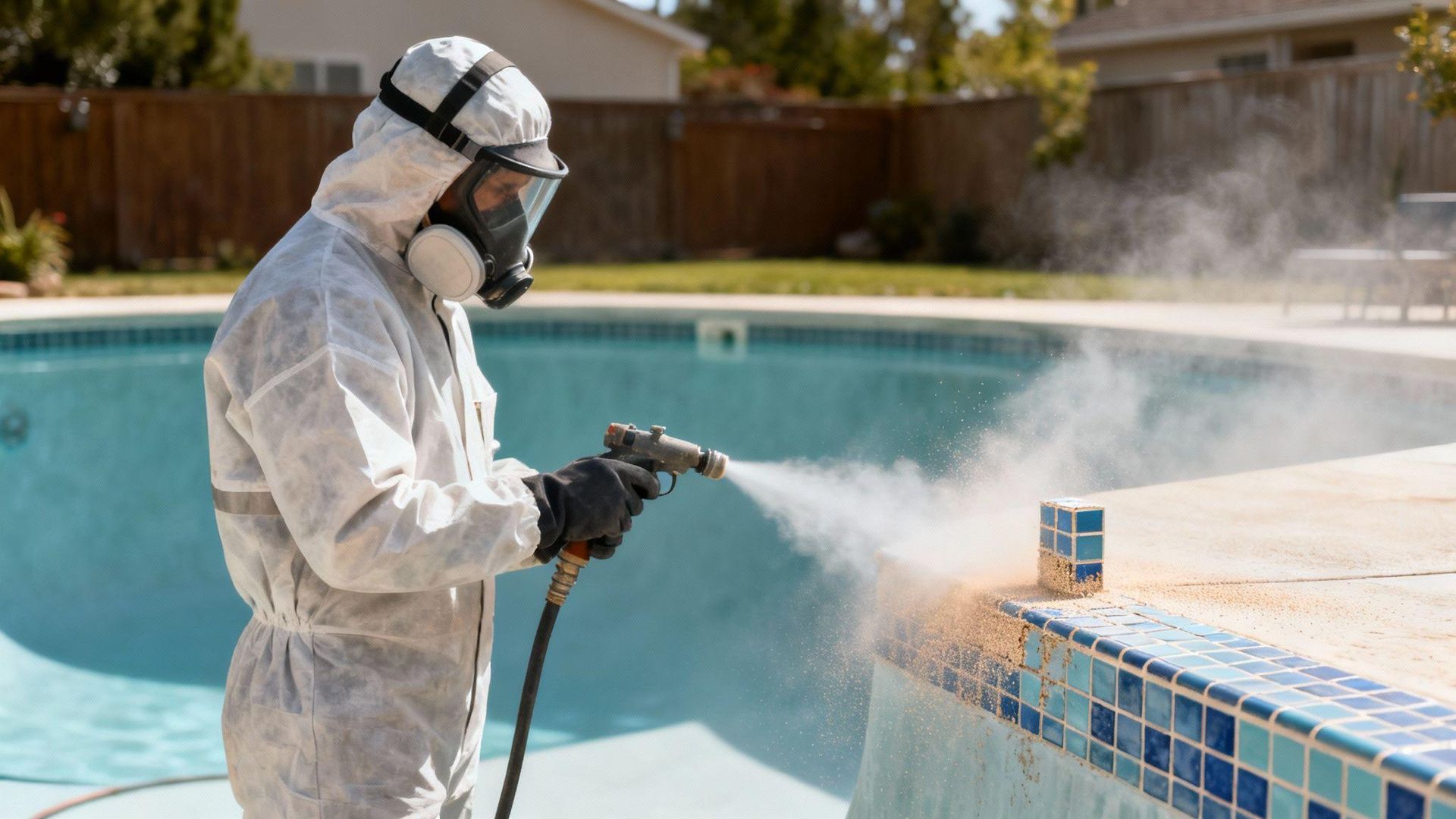
If you are asking, “How long does calcium remover take to work on pool tile?” the most accurate answer is that lighter scale can respond fast, while older buildup may need more than one pass. A premium calcium releaser Phoenix AZ pool owners can use effectively should prioritize safe contact time, controlled application, and visible progress without relying on aggressive acid washing.
What results should you expect?
With proper use, Heavy Calcium Releaser may help soften mineral deposits, improve surface appearance, and reduce the amount of force needed for cleanup. It is best thought of as a targeted pool scale removal solution, not an instant miracle on the most severe, long-neglected buildup.
Why some jobs take longer
Heavier deposits are thicker, denser, and more bonded to the surface. If the scale includes calcium silica or has built up over years, the removal process can be slower. Surface texture also matters. Smooth glazed tile usually responds faster than porous stone, textured spillways, or rough grout lines.
Step-by-Step: How to Apply Calcium Releaser for Fastest, Safest Results
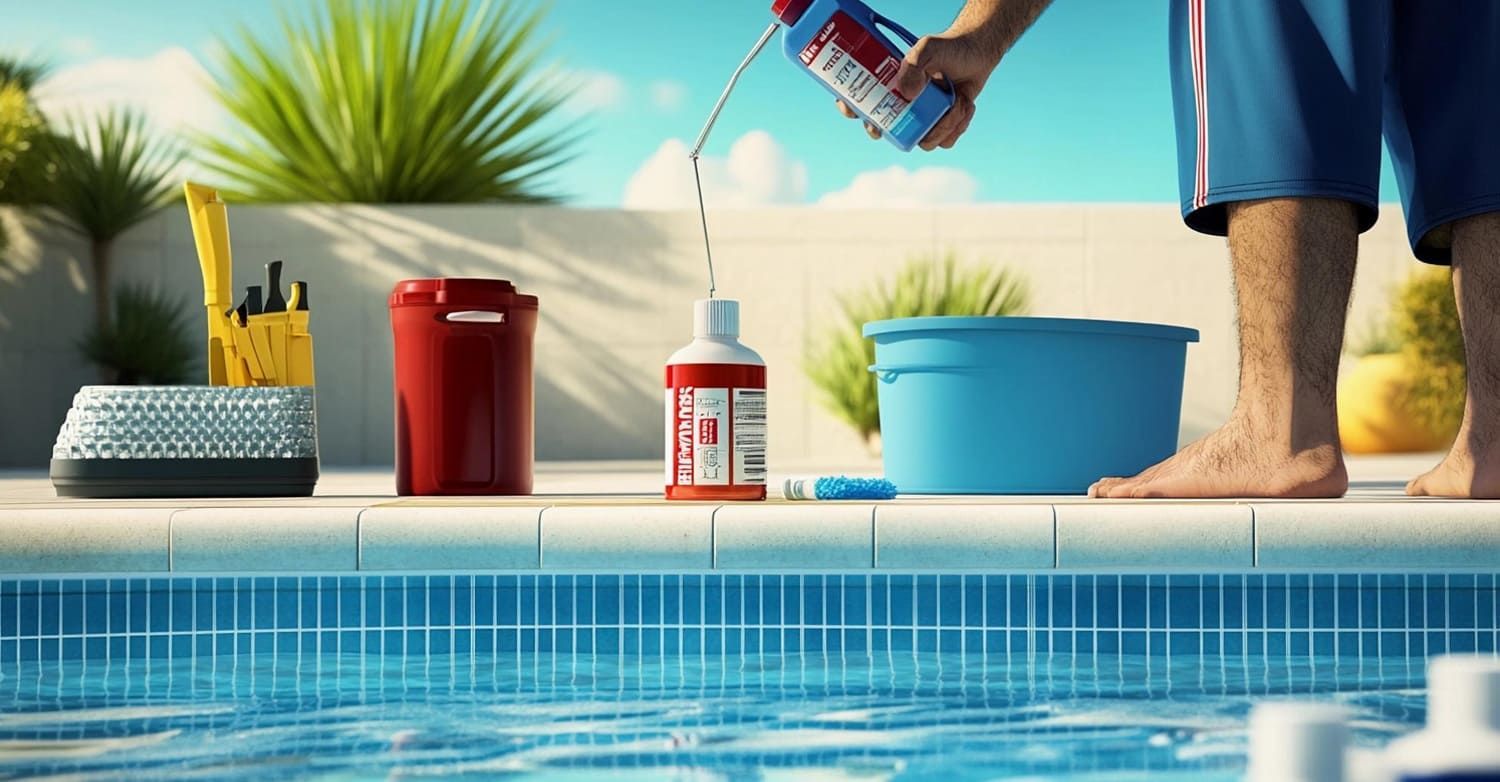
The fastest way to get good results is not simply using more product. It is using the right preparation, contact time, and technique. That helps pool owners get better removal while protecting tile, stone, grout, and surrounding finishes.
1. Inspect the surface first
Identify where scale is light, moderate, or heavy. Also note the material involved. Tile, natural stone, vinyl-lined surfaces, and delicate finishes can respond differently. Always follow product directions for compatible surfaces.
2. Clean away loose debris
Remove dirt, oils, and loose residue before treatment. A cleaner working area helps the calcium releaser stay in contact with the mineral deposit instead of being diluted by grime.
3. Apply evenly to the affected area
Use the recommended amount and spread it evenly over the calcium buildup on pool tile or other affected surfaces. Avoid overapplying. More chemical does not always equal faster performance.
4. Allow proper dwell time
Give the product enough time to work. Rushing this step often leads users to think the formula is ineffective when it simply has not had enough contact time. For best results, follow the label guidance rather than guessing.
5. Agitate gently if appropriate
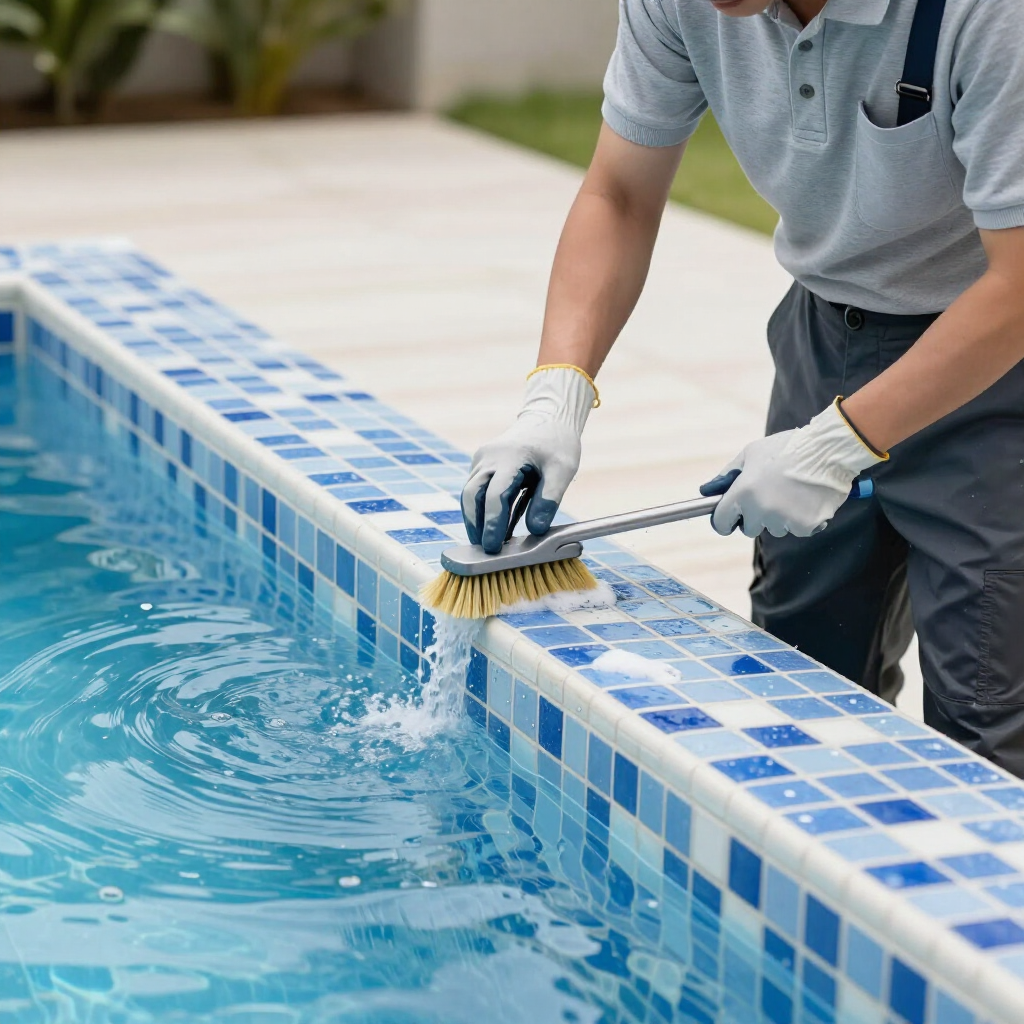
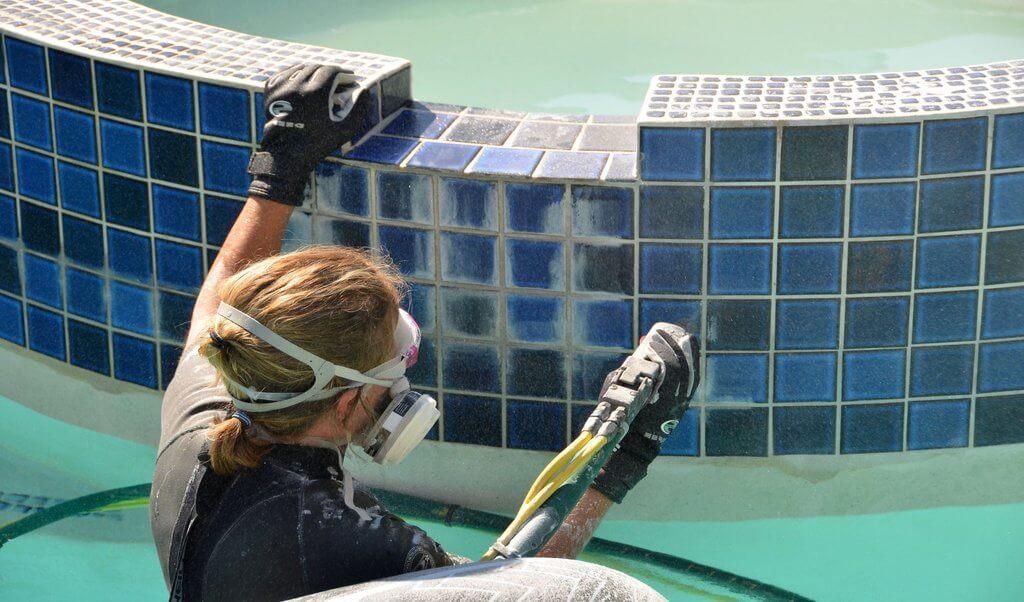
After the initial dwell period, a non-abrasive brush or pad may help lift softened deposits. The goal is to support the chemistry, not replace it with forceful scraping.
6. Rinse and inspect
Rinse thoroughly, then check the area under good lighting. If buildup remains, a second treatment may be appropriate. This is common for thick scale and does not necessarily mean the product failed.
7. Follow with prevention
Once deposits are removed, prevention matters. LayorCare positions Heavy Calcium Releaser for removal and Cal Block for ongoing protection, helping pool owners address both the visible problem and the conditions that allow it to return.
Factors That Affect How Quickly Calcium Dissolves
If two pool owners use the same calcium releaser and get different results, the difference usually comes down to conditions, not just the product itself. Several factors influence removal speed.
Thickness and age of the deposit
Newer scale is often easier to loosen than old, layered mineral crust. Deposits that have baked in through multiple Arizona summers generally take longer to remove.
Type of calcium deposit
Calcium carbonate is usually more responsive than calcium silica. If buildup feels extremely hard and glassy, it may take longer and may require multiple rounds even with the best calcium remover for pool tile.
Surface material and texture
Smooth glazed tile tends to clean more predictably than rough stone, pebble finishes, or porous materials. Textured surfaces give scale more places to cling, which increases dwell time and labor.
Water temperature and weather
Hot surfaces and rapid drying can affect contact time. In Phoenix, direct sun may shorten effective dwell time if the product dries too quickly. Controlled application conditions can help maintain performance.
Application method
Even coverage, correct dwell time, and proper rinsing all matter. Skipping prep work or removing the product too soon often slows results more than the deposit itself.
Signs Your Calcium Removal Method Is Working or Not
One of the biggest frustrations in pool scale removal is not knowing whether to wait longer, reapply, or switch methods. The following signs can help you judge progress.
Signs the treatment is working
- The deposit begins to soften or lose its chalky crust.
- White buildup lightens or breaks apart during gentle agitation.
- The surface underneath starts to look cleaner and smoother.
- Each treatment cycle removes more material than the last.
Signs the method may not be working well enough
- No visible change after proper dwell time.
- The buildup remains rock hard and glossy after repeated application.
- Only surface residue changes while the thick base layer remains.
- The method requires excessive scraping to show any progress.
If you see some improvement but not full removal, that often means the chemistry is helping and another treatment may finish the job. If there is truly no change, reassess the deposit type, the surface, and whether the product was applied correctly.
When not to force the process
Aggressive scraping can scratch tile and damage grout. Harsh acid can create etching and unnecessary risk. A safer process usually balances chemistry, dwell time, and controlled agitation rather than relying on brute force.
Calcium Releaser vs. Pressure Washing vs. Acid Washing vs. Manual Scraping
Pool owners comparing options want to know what works fastest, what is safest, and what gives lasting value. The chart below offers a practical side-by-side view.
| ethod | Average time to see results | Effectiveness on light vs. heavy buildup | Risk of surface damage or etching | Effect on pool water pH | Safety for tile, stone, and vinyl liners | Cost of materials/labor | Long-term durability of results |
|---|---|---|---|---|---|---|---|
| Heavy Calcium Releaser | Minutes to one or more treatment cycles | Strong on light to moderate buildup, can help on heavy buildup with repeat use | Lower when used as directed | Designed to minimize unnecessary pH disruption compared with harsh acid methods | Generally versatile, but surface compatibility should always be confirmed | Moderate product cost, often lower labor intensity than fully manual methods | Best when paired with prevention such as Cal Block and water balance control |
| Acid Washing | Fast visible reaction | Can remove stubborn deposits aggressively | Higher risk of etching, finish wear, and material damage | Can significantly affect pH and handling safety | Not ideal for every surface and requires caution | Can involve higher labor, prep, and safety requirements | Removes deposits, but does not prevent recurrence |
| Manual Scraping / Pressure Washing | Immediate mechanical effect, often slower overall labor | May work on light buildup, less reliable on bonded heavy scale | Moderate to high depending on force and tool choice | Little direct pH impact | Can be risky on grout, delicate tile, stone, and some liners | Labor intensive, may increase service time | Often inconsistent if minerals are not fully removed |
Heavy Calcium Releaser vs. Cal Block
These products serve different purposes. One focuses on removal. The other focuses on prevention after the surface is cleaned.
| Product | Primary purpose | When to use it | Main benefit |
|---|---|---|---|
| Heavy Calcium Releaser | Remove existing calcium buildup | When visible scale is already present on tile or surfaces | Targets current deposits and helps restore cleaner appearance |
| Cal Block | Help prevent future calcium buildup | After treatment and as part of ongoing maintenance | Supports long-term protection and reduces recurrence risk |
For many Phoenix pool owners, the most effective plan is not choosing one or the other. It is using a removal product first, then following with a prevention strategy.
How to Prevent Calcium Buildup From Coming Back After Treatment
Even the best removal process will feel temporary if mineral scale returns quickly. Prevention is essential in hard water climates like Phoenix.
Maintain balanced pool chemistry
Consistent water balance helps reduce conditions that encourage scale formation. Monitor calcium hardness, pH, alkalinity, and water saturation conditions on a routine basis.
Address evaporation and refill cycles
Frequent top-offs with hard water raise mineral load over time. In hot Arizona weather, this is a major reason calcium buildup keeps returning after cleaning.
Clean early, not late
Light buildup is easier and faster to treat than hardened layers. Routine inspection of tile lines, spillways, and splash zones can reduce the need for aggressive interventions later.
Use a post-treatment prevention product
LayorCare positions Cal Block as a companion product to help limit future buildup after calcium removal. This removal-plus-prevention approach can be especially valuable for contractors, HOAs, and property managers who need results that hold up over time.
Build a maintenance schedule
Property managers and homeowners with multiple water features benefit from a regular scale check schedule. Preventive treatment is usually more cost-effective than waiting for severe crusting that requires heavier labor.
FAQ: Calcium Releaser and Pool Scale Removal
How long does it take to see calcium dissolve after applying calcium releaser?
Light buildup may begin responding within 5 to 15 minutes. Moderate buildup often takes 15 to 45 minutes, and heavy buildup may require more than one treatment cycle.
Does Heavy Calcium Releaser damage pool tile or grout?
When used as directed and on compatible surfaces, a dedicated calcium releaser is generally intended to reduce the need for harsher removal methods. Always follow label instructions and confirm compatibility before use.
Can I use calcium releaser on vinyl liners?
Some surfaces require extra caution. Vinyl compatibility should always be confirmed through the product directions before application because not all calcium removal methods are appropriate for liner materials.
Will calcium releaser affect my pool's pH balance?
A targeted pH-safe formula is designed to reduce unnecessary disruption compared with harsher acid-based methods, but users should still follow directions carefully and monitor water chemistry as needed.
Do I need to drain the pool before applying calcium releaser?
That depends on the treatment area, surface access, and the product instructions. Many waterline applications do not necessarily require full draining, but the proper method should be based on the specific use case and label guidance.
How often should I treat my pool for calcium buildup?
There is no one schedule for every pool. In Phoenix, frequency depends on water hardness, evaporation rate, and how quickly scale starts to reappear. Routine inspection helps determine timing.
Why does calcium buildup keep coming back after cleaning?
It usually returns because the underlying conditions remain the same, especially hard fill water, high evaporation, and inconsistent water balance. Removal solves the current scale, but prevention is needed to slow recurrence.
What is the difference between calcium scale and calcium silica?
Calcium scale often refers broadly to mineral deposits, while calcium silica is a harder, denser form that can be more difficult to remove. Calcium silica usually requires more time and effort than standard carbonate buildup.
Can heavy calcium buildup be removed without acid washing?
In many cases, yes. A professional-grade calcium releaser can often address stubborn deposits more safely than harsh acid methods, though very severe buildup may still require repeated treatments and realistic expectations.
How do I prevent calcium buildup from returning after treatment?
Focus on balanced water chemistry, early cleaning, reduced mineral concentration where possible, and a post-treatment prevention strategy such as Cal Block.
Conclusion and Next Step
So, how long does calcium releaser take to work? For light calcium buildup on pool tile, visible improvement may start within minutes. Moderate buildup often needs a longer dwell period and some gentle agitation. Heavy, older scale may require repeated treatment cycles to achieve the best result. The key is matching the method to the severity of the deposit and the sensitivity of the surface.
For pool owners and property managers in Phoenix, AZ, safe and effective calcium removal is about more than appearance. It also helps protect tile, stone, grout, and long-term surface life. LayorCare positions Heavy Calcium Releaser as a premium option for fast, visible removal with a pH-conscious approach, and Cal Block as the next step for ongoing prevention. If you want guidance on the right product for your pool surface and buildup level, contact LayorCare for a recommendation on using Heavy Calcium Releaser and Cal Block effectively.
Recent Posts