How Often Should You Reseal Pool Pavers in Phoenix, AZ? A Complete Resealing Guide
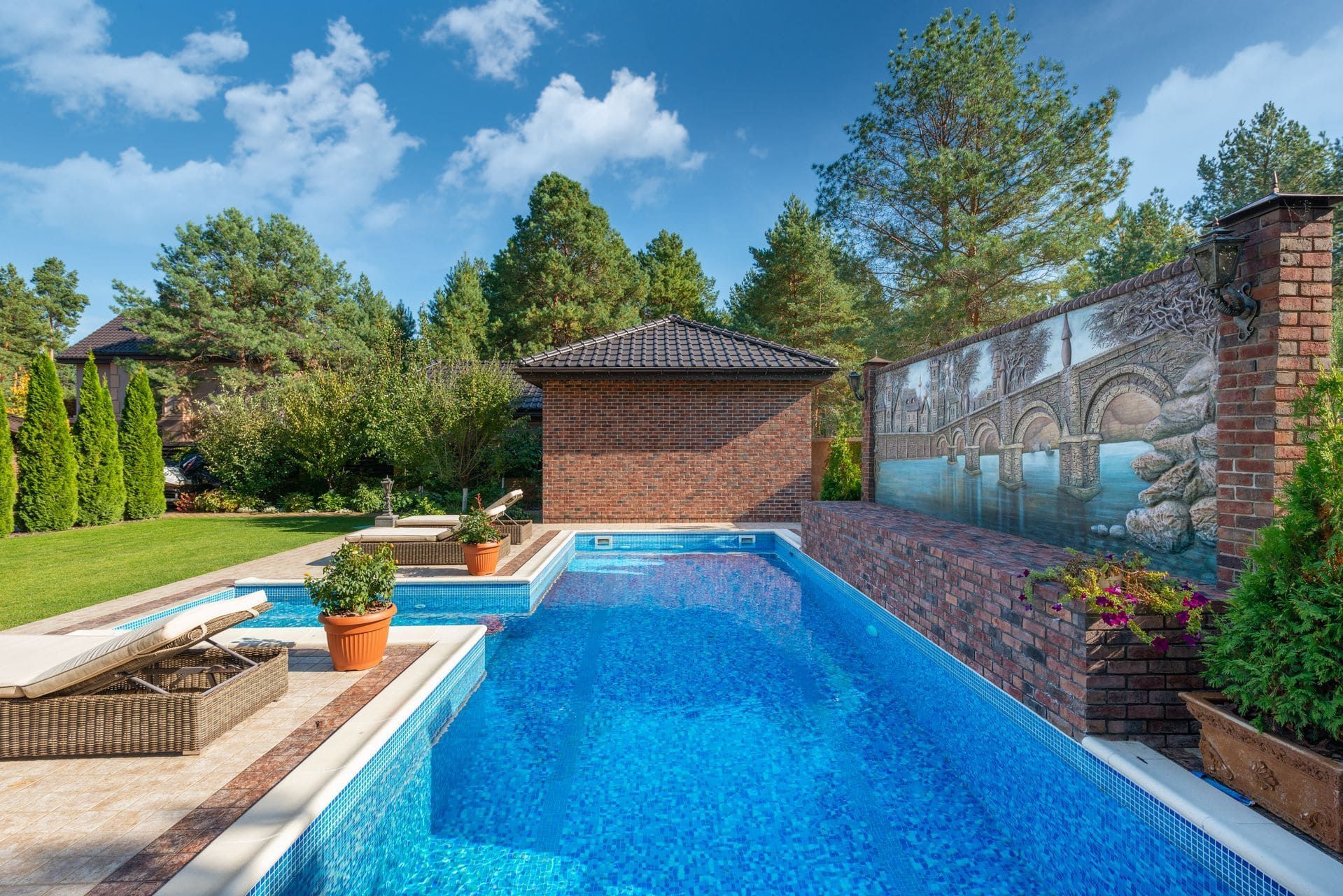
Your pool pavers work harder than almost any other surface around your home. In Phoenix and across the Valley, they bake in direct sun for most of the year, get splashed with chlorinated or salt water every day, and collect calcium from some of the hardest water in the country. Sealer is what stands between that punishment and faded, stained, crumbling pavers.
So how often should you reseal pool pavers? For most Phoenix-area pool decks, plan to reseal every 2 to 3 years with a satin or natural-look sealer, and up to every 5 years with a high-performance wet-look sealer that's properly maintained. Heavy sun, frequent splash-out, and hard-water buildup can shorten that window, so the condition of your pavers matters more than the calendar.
This guide explains how long pool paver sealer really lasts in the desert, how to tell when it's time to reseal, which sealer type fits your deck, and how to reseal the right way so the job lasts.

Quick Answer: How Often Should Pool Pavers Be Resealed?
Pool pavers should generally be resealed every 2 to 3 years. Water-based satin and natural-look sealers typically last up to 3 years, while premium wet-look sealers can last up to 5 years with proper care. In hot, sunny climates like Phoenix, inspect pavers every year and reseal sooner if water stops beading, colors fade, or joint sand starts washing out.
Why Pool Pavers Need Resealing More Often in Phoenix
Pool pavers in the Valley of the Sun face a combination of stresses most surfaces never see. Here's what wears sealer down.
Intense UV Exposure
Phoenix gets more than 300 sunny days a year, and summer temperatures regularly climb past 110°F. That steady UV exposure breaks down lower-quality sealers, fades paver color, and can cause cheap topical coatings to yellow or flake. A UV-resistant sealer is essential here, not optional.
Hard Water and Calcium Buildup
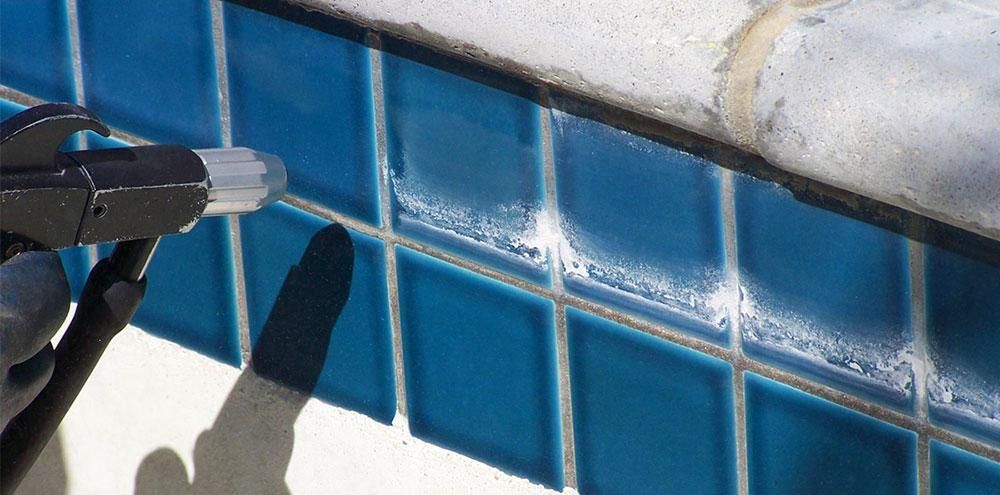
Phoenix water is notoriously hard. Every splash, sprinkler pass, and evaporating puddle leaves behind calcium and minerals. Over time, those deposits form white crusts and scale on pavers and coping. A good sealer reduces how deeply minerals penetrate, but buildup still wears the sealer layer and needs to be cleaned off before resealing.
Pool Chemicals and Splash-Out
Chlorine, salt, and pH-balancing chemicals all end up on your deck. Areas right next to the water, such as coping, steps, and the first few rows of pavers, see the most exposure and usually lose sealer protection first.
Monsoon Storms and Dust
Summer monsoon season brings heavy downpours, wind, and dust storms. Rain can flush joint sand out of unsealed or poorly sealed pavers, while dust and debris grind against the surface. Sealers that bond joint sand help pavers stay locked in place through storm season.
Foot Traffic and Furniture
Wet feet, pool toys, lounge chairs, and grills all add wear. High-traffic paths between the house, the pool, and the outdoor kitchen will usually need attention sooner than quiet corners of the deck.
How Long Different Pool Paver Sealers Last
The type of sealer you choose has the biggest effect on how often you'll need to reseal. Here's how LayorCare's water-based pool and patio sealers compare.
| Sealer | Finish | Expected Lifespan* | Coverage per Gallon (per coat) | Walkable After | Best For |
|---|---|---|---|---|---|
| LayorCare Paver Seal | Clear satin, natural look | Up to 3 years | About 400 sq. ft. | 3 hours | Concrete and brick pavers, Saltillo, porous tile; bonds joint sand |
| LayorCare Neutral Seal | Invisible, natural look | Up to 3 years | About 1,000 sq. ft. | 1 hour | Pool decks, travertine, natural stone, concrete, aggregate, grout |
| LayorCare Wet Look Seal | Rich gloss, "wet" look | Up to 5 years | About 400 sq. ft. | 3 hours | Travertine, natural stone, brick, aggregate, rock water features |
With proper maintenance. Lifespan in real-world conditions depends on sun exposure, water chemistry, traffic, and how well the surface was prepped.
All three are water-based, low-VOC, acid-free, and non-toxic, and all are formulated not to yellow, crack, or peel. Each needs a 24-hour cure before the surface is exposed to standing water from pools, spas, or fountains.
Recommended Resealing Schedule by Deck Condition
Use the table below as a starting point, then adjust based on what you see on your own deck.
| Deck Situation | Suggested Resealing Interval | Why |
|---|---|---|
| Full sun, heavy splash-out, hard water | Every 2 years | UV and chemicals break down sealer faster |
| Partial shade, moderate pool use | Every 2 to 3 years | Typical lifespan of satin and natural-look sealers |
| Covered patio or shaded deck | Every 3 years | Less UV exposure extends protection |
| Wet-look sealer, well maintained | Up to every 5 years | Premium gloss sealer with longer service life |
| Coping and first rows near the water | Spot-treat as needed between full reseals | These areas take the most chemical and water exposure |
| Newly installed pavers | Seal soon after installation | Locks in color and joint sand from day one |
A practical approach for many Phoenix homeowners is to do a full reseal every 2 to 3 years and spot-treat the waterline edge and high-traffic paths in between.
7 Signs Your Pool Pavers Need Resealing Now
Don't wait for a date on the calendar. These signs tell you the sealer has worn thin.
- Water soaks in instead of beading. Sprinkle water on the pavers. If it darkens the surface and absorbs quickly instead of beading up, the sealer is no longer doing its job.
- Colors look faded or chalky. Sun-bleached pavers are a clear sign UV protection has worn off.
- Joint sand is washing out. Gaps between pavers, sand on the deck after rain, or shifting pavers mean the sand is no longer bonded.
- Calcium and white stains keep returning. Mineral deposits that come back quickly after cleaning suggest the surface is absorbing water again.
- Stains soak in fast. Sunscreen, drinks, leaves, and barbecue grease that leave lasting marks point to unprotected pavers.
- Weeds or ants in the joints. Loose, unsealed joint sand invites both.
- The surface feels rough or porous. Pitting and surface wear show the protective layer is gone.

How to Reseal Pool Pavers the Right Way
Resealing isn't complicated, but prep makes or breaks the result. Sealer applied over dirt, calcium, or old residue won't bond properly and will fail early.
1. Pick the Right Time of Year
In Phoenix, fall and spring are usually the best windows for sealing. Avoid sealing on scorching midsummer afternoons or right before a monsoon storm. Early mornings work well when surfaces are cooler. Always follow the temperature and weather guidance on the product label.
2. Clean Thoroughly and Remove Calcium
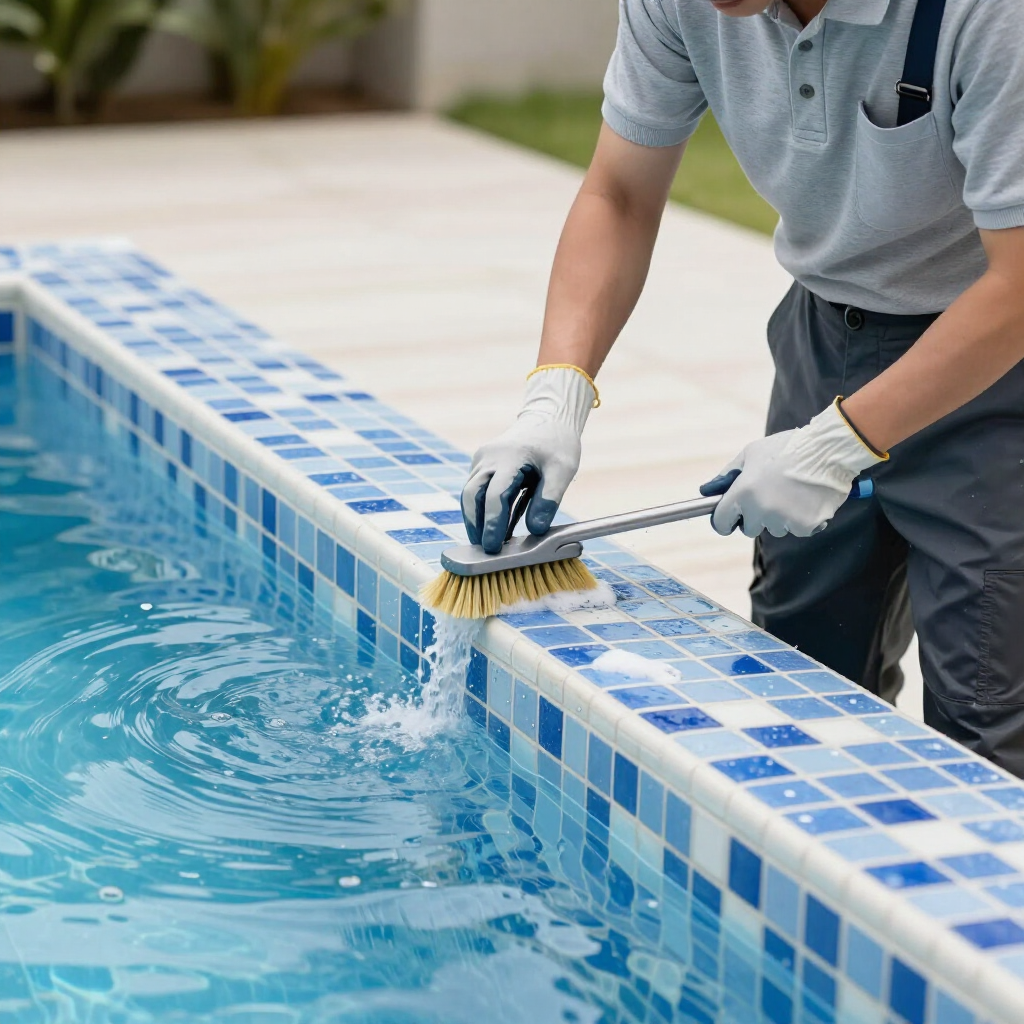
Start by removing dirt, oils, and old residue with LayorCare Pre-Treat Cleaner. For white crusty mineral buildup, use LayorCare Heavy Calcium Releaser, which dissolves calcium scale without changing your pool's pH and won't etch most surfaces.
3. Rinse and Let It Dry Completely
Rinse the deck well and let the pavers dry fully. Trapped moisture is one of the most common reasons sealers look cloudy or fail early. In the desert, drying is usually quick, but shaded areas and joints may take longer.
4. Test a Small Area
Apply sealer to an inconspicuous spot first to confirm the look and compatibility with your pavers, especially if you're switching from one sealer type to another.
5. Apply Two Coats at Full Strength
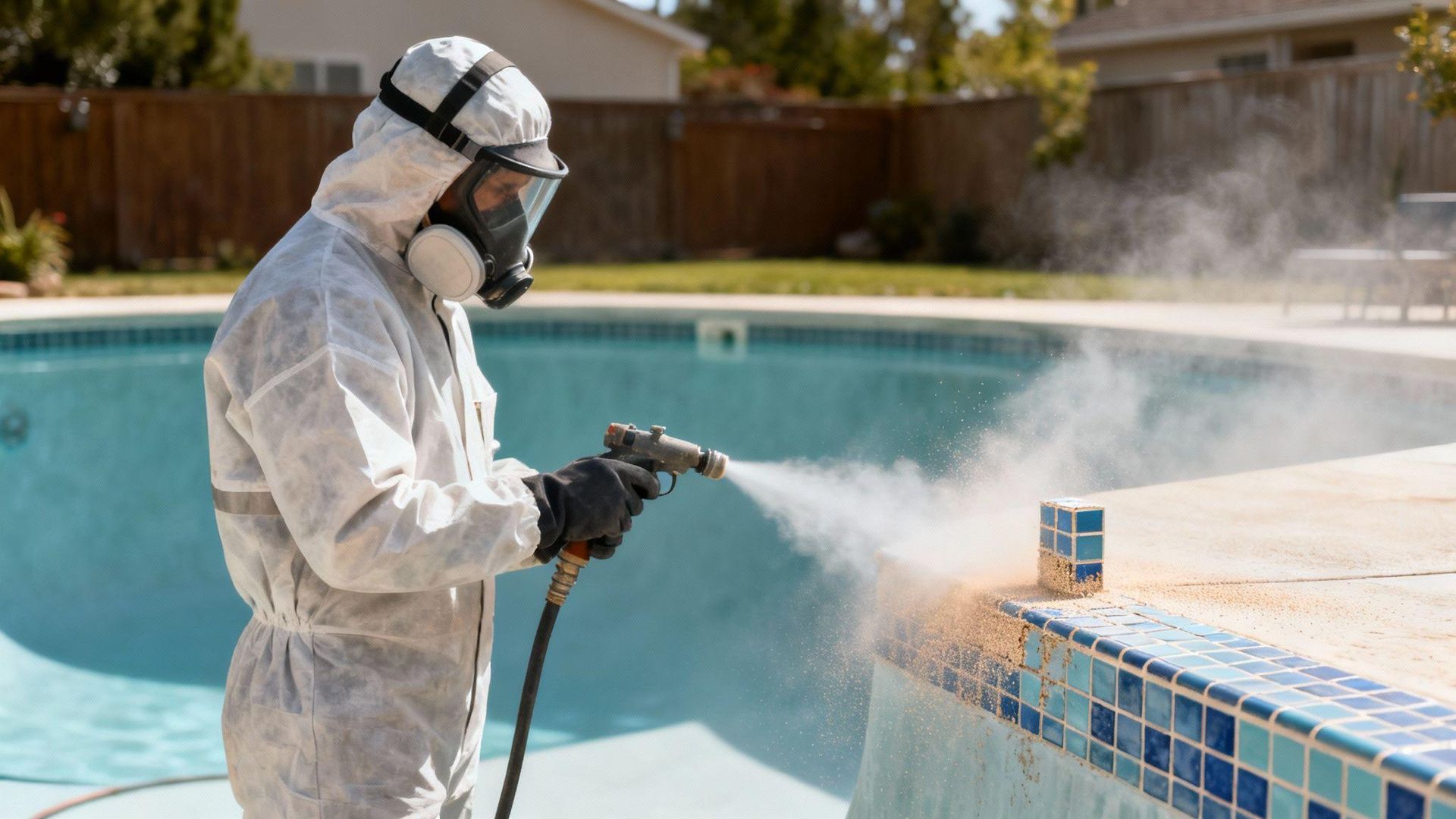
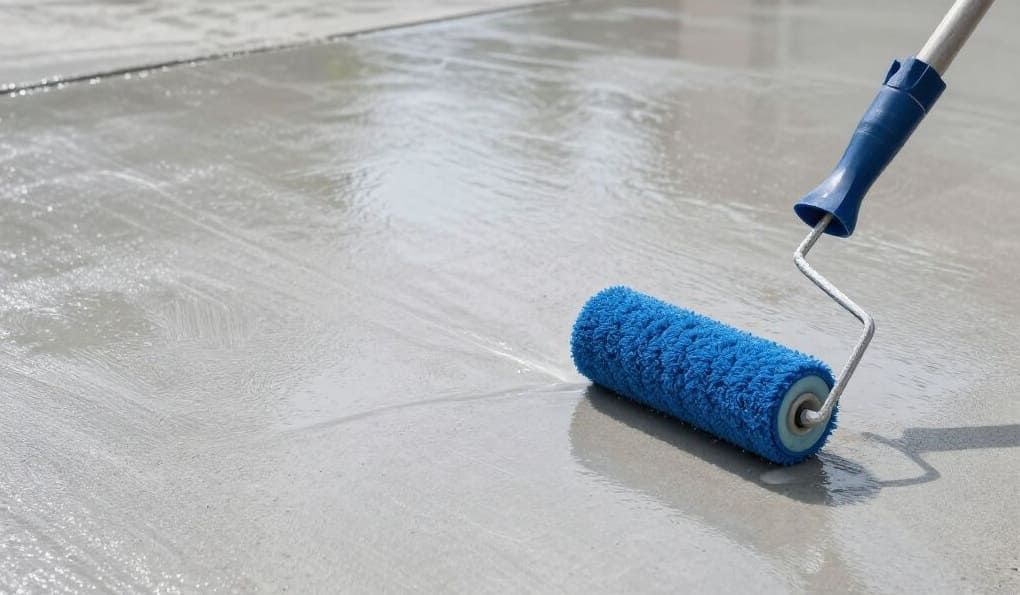
Use a brush, roller, or airless sprayer, and apply the sealer full strength without diluting. Two coats give the best protection. Let the first coat dry to the touch before applying the second. Work in manageable sections so you keep a wet edge and avoid lap marks.
6. Let It Cure Before Pool Use
Paver Seal and Wet Look Seal are walkable after about 3 hours, and Neutral Seal after about 1 hour. Wait a full 24 hours before the sealed surface is exposed to standing water, splash-out, or spa overflow.
7. Add Calcium Protection After Sealing
For even longer-lasting results around pools, spas, and fountains, apply LayorCare Cal Block after sealing. It adds a nano-barrier that helps prevent future calcium and mineral buildup on sealed surfaces, which helps your sealer last longer.
How to Make Your Pool Paver Sealer Last Longer
A few simple habits can stretch the time between reseals.
- Rinse the deck regularly to remove pool chemicals, salt, and dust before they sit and dry.
- Clean calcium deposits early, before they build into thick scale.
- Use gentle, pH-neutral cleaners rather than harsh acids that can strip sealer.
- Avoid aiming a pressure washer directly at joints, which can blast out bonded sand.
- Keep your pool water chemistry balanced to reduce scaling and splash-related wear.
- Spot-treat the waterline edge and high-traffic paths between full reseals.
Satin, Natural, or Wet Look: Which Sealer Is Best for Pool Pavers?
Your choice depends on the look you want and how often you want to reseal.
- Satin finish (Paver Seal): A clean, natural satin look that bonds joint sand and helps prevent erosion. A strong all-around choice for concrete and brick pavers around pools.
- Invisible finish (Neutral Seal): Keeps your pavers looking exactly as they do now, with no added sheen. Great for travertine, natural stone, and pool decks where you want the original color.
- Wet look finish (Wet Look Seal): Deepens color and adds a rich gloss with the longest expected lifespan of the three, up to 5 years. Popular for travertine and natural stone.
Safety tip: around pools, slip resistance matters. If your deck already feels slick when wet, or you're choosing a glossier finish, ask about
LayorCare's No Slip treatments for added traction.
Why Phoenix Homeowners and Pool Pros Choose LayorCare
LayorCare was founded in Phoenix to solve the exact problems Valley homeowners face every day: stubborn calcium stains, worn-out sealers, and messy applications that never seemed to last. The result is a pro-grade line of cleaners and sealers that homeowners and contractors can both use with confidence.
- Built for desert conditions: Formulated with strong UV protection and calcium resistance for Arizona's sun and hard water.
- Safe around families and pets: Water-based, low-VOC, acid-free, and non-toxic when used as directed.
- Made in the USA: Pro-grade ingredients with clear instructions and downloadable data sheets.
- Won't yellow, crack, or peel: Long-lasting protection that keeps pavers looking natural.
- Complete system: Clean, seal, and protect with products designed to work together, from Pre-Treat Cleaner and Heavy Calcium Releaser to Cal Block.
- 100% guarantee: Every LayorCare product is backed by a 100% guarantee.
- Easy to find: Available from the LayorCare online store, The Home Depot, Amazon, and local retailers.
Frequently Asked Questions About Resealing Pool Pavers
How often should pool pavers be sealed in Arizona?
Most pool pavers in Arizona should be resealed every 2 to 3 years. Premium wet-look sealers can last up to 5 years with proper maintenance. Inspect your deck annually, since intense sun and hard water can shorten sealer life.
How do I know if my pavers need to be resealed?
Do a simple water test. If water soaks in and darkens the pavers instead of beading, it's time to reseal. Faded color, washed-out joint sand, and recurring calcium stains are other common signs.
Can you seal pavers too often?
Yes. Applying too many coats too frequently can cause buildup, cloudiness, or a slippery surface. Reseal when the pavers show signs of wear rather than on a rigid schedule, and always clean thoroughly first.
What is the best time of year to seal pool pavers in Phoenix?
Fall and spring are typically best. Avoid sealing during the hottest part of summer days and right before monsoon storms. Follow the temperature guidance on your sealer's label.
Do I need to clean pavers before resealing?
Yes. Dirt, oils, and calcium deposits prevent sealer from bonding. Clean with a pre-treat cleaner, remove mineral scale with a calcium releaser, rinse well, and let the surface dry completely before sealing.
How long after sealing can I use my pool?
LayorCare sealers are walkable after 1 to 3 hours depending on the product. Wait 24 hours before the sealed surface is exposed to standing water, splashing, or spa overflow.
Does sealing pool pavers make them slippery?
Natural and satin finishes generally keep a similar feel to unsealed pavers, while glossy finishes can feel smoother when wet. If traction is a concern around your pool, consider a non-slip treatment.
Should new pool pavers be sealed right away?
Sealing early locks in color and bonds the joint sand before erosion starts. LayorCare Paver Seal can be applied to brick pavers immediately after installation, and grouted surfaces should cure for 48 hours first.
Protect Your Pool Deck Before the Desert Wears It Down
Pool pavers are an investment in your backyard, and in Phoenix, sealer is what keeps that investment looking its best. Plan to reseal every 2 to 3 years, or up to 5 years with a premium wet-look sealer, and let the water test and the condition of your pavers tell you when it's time. Clean thoroughly, apply two coats, give it time to cure, and add calcium protection afterward for results that last.
Ready to reseal your pool deck? Shop
LayorCare Paver Seal, Neutral Seal, Wet Look Seal, and our complete line of cleaners at the
LayorCare online store, The Home Depot, Amazon, or a local retailer near you. Have questions about the right sealer for your pavers?
Call LayorCare at (480) 237-9363 or email Info@LayorCare.com, and our team will help you protect what you've built.
Recent Posts