Wet Look Seal vs. Neutral Finish: Which Wins for Your Pool & Patio?
If you've spent any time comparing sealers for a pool deck, travertine patio, or natural stone water feature, you've hit the same fork in the road: do you go with a wet look finish that deepens and enriches the color, or a neutral finish that protects invisibly and lets the surface speak for itself? It's one of the most common questions in the pool and patio sealing world, and it's one where the wrong choice is hard to undo once the sealer has cured.
LayorCare makes both: Wet Look Seal, engineered to preserve a rich, glossy "wet" finish that enhances color depth and restores luster for up to five years, and Neutral Seal, a virtually invisible, penetrating formula that protects the natural appearance of pool tile, stone, concrete, and pavers for up to three years. Both are water-based, non-toxic, acid-free, and backed by a 100% guarantee. Both won't yellow, crack, or peel. Both provide UV protection and help reduce future calcium buildup. On paper, they look almost identical — until you understand where they genuinely diverge.
This guide breaks down every dimension that matters for a homeowner or contractor choosing between the two: appearance outcome, surface compatibility, longevity, coverage rate, application requirements, and most importantly, which use cases each sealer wins decisively. By the end, you'll know exactly which one belongs on your specific surface.
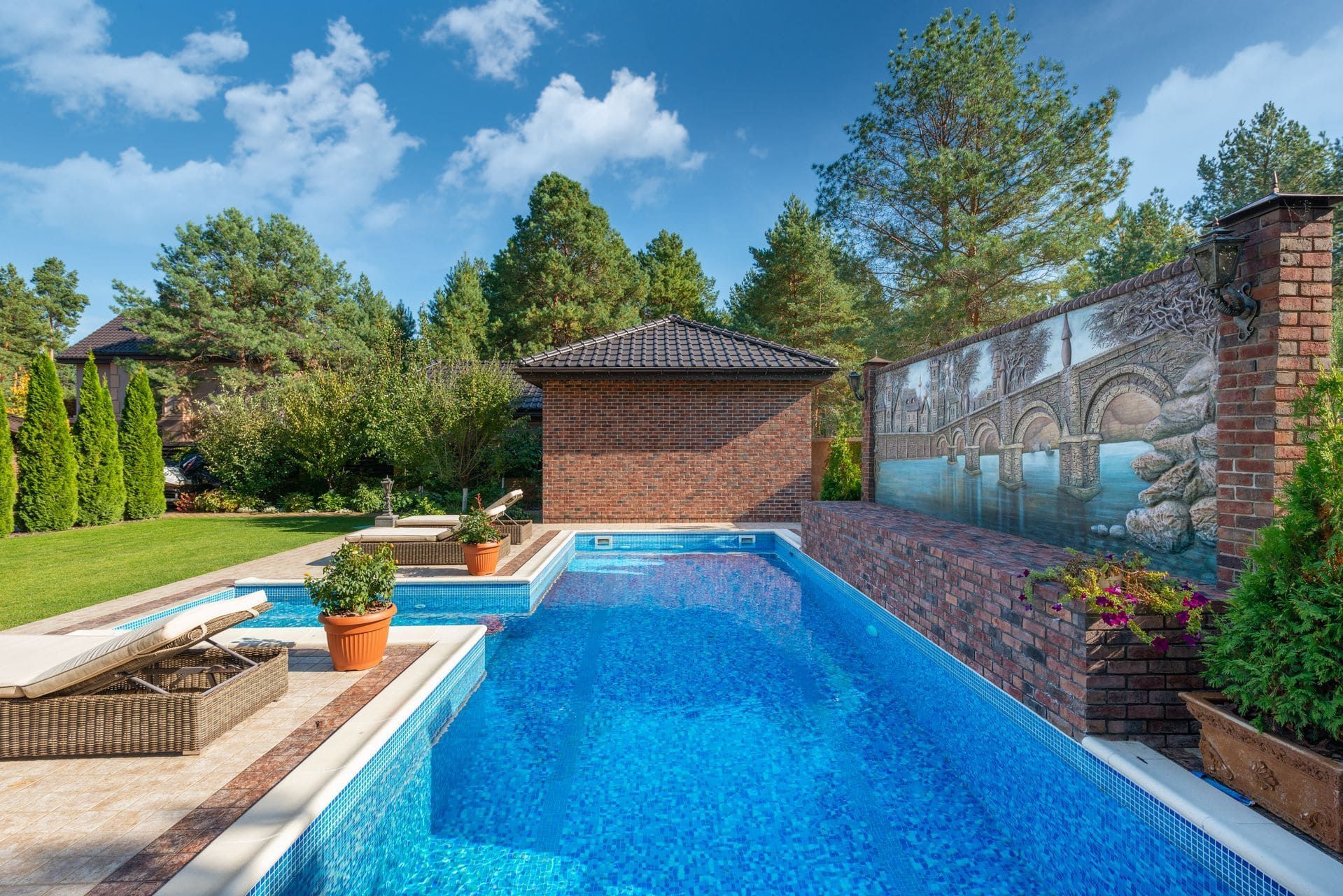
The Core Difference: What Each Finish Actually Does
The most fundamental difference between the two products is what they do to the appearance of the surface — and understanding that difference is the starting point for everything else.
Wet Look Seal creates a topcoat that mimics the appearance of a surface freshly wetted by water. When applied to travertine, natural stone, exposed aggregate, or brick, it saturates the color, deepens the tone, and adds a visible gloss that makes the surface look richer and more vibrant than it does dry. This is what most people picture when they imagine a "sealed" surface — a polished, enhanced look that catches light and adds visual weight to the material. The effect is particularly striking on travertine pavers, river rock water features, and aggregate pool decks where the color contrast and depth of the stone benefit dramatically from enhancement.
Neutral Seal is intentionally invisible. It penetrates and protects the surface without altering the color, sheen, or texture in any meaningful way. After curing, a properly sealed surface with Neutral Seal looks essentially the same as it did before sealing — which is precisely the point. The protection is real and durable, but it works beneath the surface rather than adding a visible layer on top of it. For homeowners and designers who want to preserve the exact natural character of a material — the subtle, matte, weathered look of travertine, the raw texture of exposed aggregate, the pale tone of limestone — Neutral Seal is the product that delivers that outcome.
Everything else about these two products — longevity, coverage, application, use-case fit — flows from this core difference.
Appearance Outcomes Side by Side
Seeing the difference is more useful than reading about it, but since this is a guide rather than a gallery, the following breakdown captures the practical appearance outcome of each sealer on common pool and patio surfaces.
On travertine pavers, Wet Look Seal produces a noticeably warmer, richer tone with visible light reflectivity. The natural beige and cream tones of travertine deepen to a more saturated version of themselves, giving the patio a high-end, resort-style appearance that many homeowners specifically seek out. Neutral Seal applied to the same travertine leaves the color and tone essentially unchanged — the surface looks natural and unsealed to the eye, which is the entire intent.
On exposed aggregate pool decks, the Wet Look finish brings out the individual stones' colors dramatically, creating a polished, almost decorative appearance. Neutral Seal preserves the original muted, textured look of the aggregate without adding any sheen.
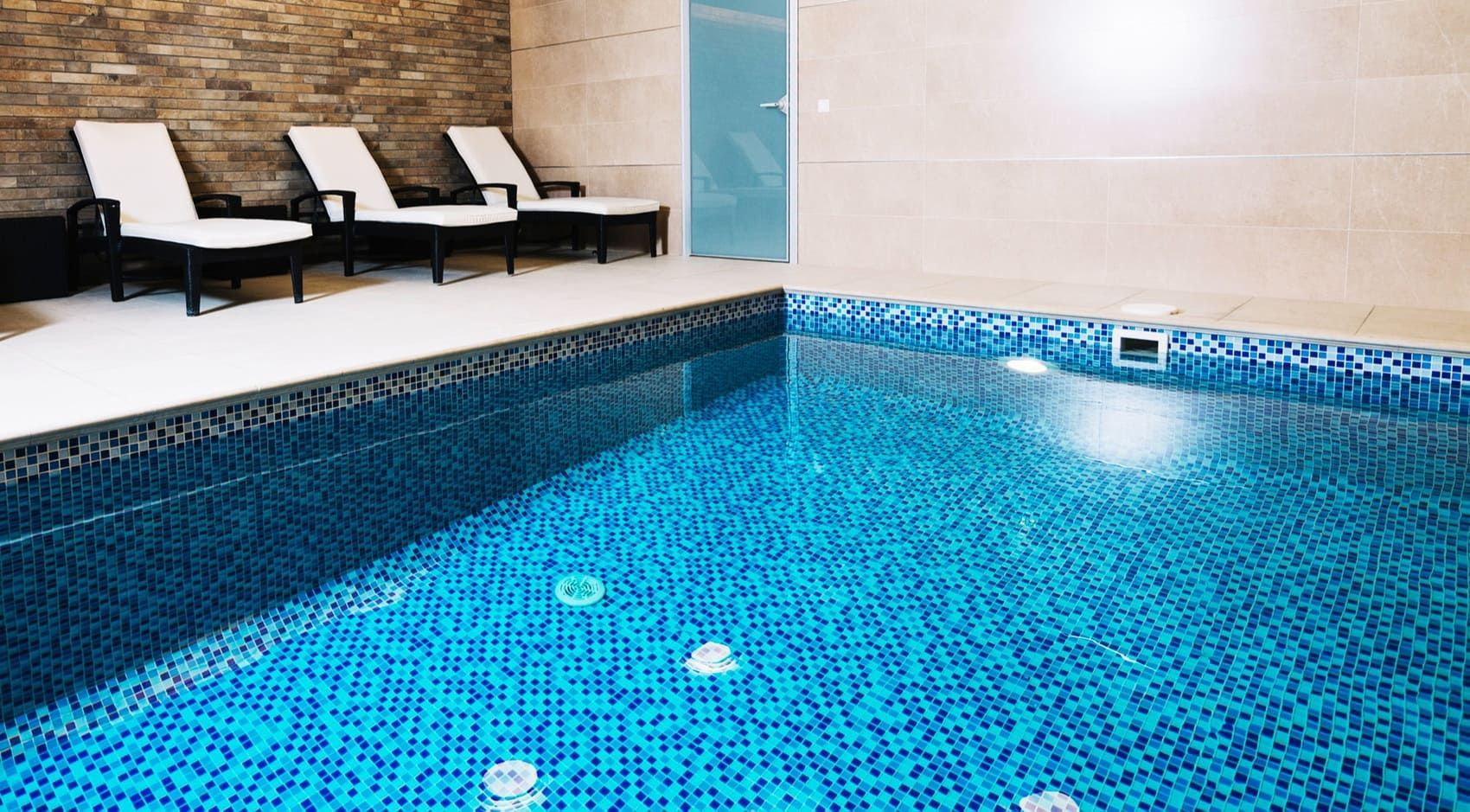
On pool tile, Wet Look Seal restores the color vibrancy and sheen that tile can lose to calcium buildup, UV exposure, and general weathering. Neutral Seal protects the tile without changing its current appearance — which makes it the right choice when the tile already looks the way you want it to, and you simply want to preserve that.
On natural stone (granite, marble, limestone, slate), this choice becomes particularly important. Wet Look Seal will visibly enrich the stone's color and add gloss — a dramatic effect on materials with strong color variation like slate or certain granites, but potentially jarring on pale limestone or light-colored marble where the enhancement reads as unnatural. Neutral Seal preserves the stone's character precisely, making it the safer choice when the material's natural appearance is the aesthetic goal.
Longevity: How Long Does Each Sealer Last?
This is often the first spec homeowners look at, and the difference here is meaningful.
Wet Look Seal lasts up to five years under normal conditions. Its topcoat formulation, while durable and non-yellowing, is a surface-level film that is exposed to foot traffic, UV radiation, pool water chemistry, and general environmental wear over time. The five-year lifespan makes it a genuinely long-lasting option — far better than many competing gloss sealers — and LayorCare backs the product with a 100% guarantee. For surfaces in high-sun Arizona environments or around pools and spas with significant chemical exposure, actual re-application intervals may fall closer to three to four years depending on conditions and maintenance.
Neutral Seal lasts up to three years. Its penetrating formulation seeps into the surface rather than sitting on top of it, which makes it inherently less vulnerable to surface abrasion but means its chemistry gradually depletes over time as it weathers. Three years is a solid interval for a penetrating sealer, and the re-application process is straightforward: clean the surface, let it dry, and apply two coats as directed.
| Specification | Wet Look Seal | Neutral Seal |
|---|---|---|
| Finish Type | Gloss / Enhanced "wet" appearance | Invisible / Natural — no visible change |
| Lifespan | Up to 5 years | Up to 3 years |
| Coverage (per gallon, per coat) | ~400 sq. ft. | ~1,000 sq. ft. |
| Walkable After | 3 hours | 1 hour |
| Water/Pool Exposure Safe After | 24-hour cure | 24-hour cure |
| Formulation | Water-based, low VOC | Water-based, low VOC |
| UV Protection | Yes | Yes |
| Helps Reduce Calcium Buildup | Yes | Yes |
| Won't Yellow, Crack, or Peel | Yes | Yes |
| Eco-Safe / Non-Toxic | Yes | Yes |
| Availability | Multiple sizes, including Amazon | Multiple sizes, including Amazon |
Coverage Rate: A Significant Practical Difference
The coverage gap between these two products is substantial and worth factoring into any cost comparison.
Neutral Seal covers approximately 1,000 square feet per gallon per coat. Wet Look Seal covers approximately 400 square feet per gallon per coat. Both products recommend two coats for best results, so the actual coverage per gallon for a complete two-coat application works out to roughly 500 square feet for Neutral Seal and 200 square feet for Wet Look Seal. For a large pool deck or patio, that difference in material cost and quantity required is meaningful — Neutral Seal goes significantly further per gallon.
This isn't a flaw in Wet Look Seal; it reflects the nature of a topcoat formulation that builds a visible surface film versus a penetrating formula that soaks into porous material. But it's an important practical consideration when budgeting for a larger project, particularly on surfaces like pool decks or extensive travertine patio installations where square footage is high.
Surface Compatibility: Where Each Sealer Works Best
Both sealers are compatible with a wide range of outdoor surfaces — natural stone, tile, concrete, aggregate, brick, and more — but there are surface-specific considerations that favor one over the other in certain applications.
When Wet Look Seal Wins
Wet Look Seal is the clear choice when color enhancement is the goal. Rock water features and fountains are perhaps the most obvious application — the wet look finish makes natural rock look perpetually fresh and saturated rather than dry and faded, which is visually dramatic and exactly what most homeowners want around a water feature. Exposed aggregate pool decks and driveways benefit strongly from the color depth and sheen. Darker natural stone — slate, certain granites, river rock — responds beautifully to the wet look treatment, with colors becoming more vivid and dynamic. Brick surfaces that have faded or look pale also benefit from the color restoration effect that Wet Look Seal provides.
When Neutral Seal Wins
Neutral Seal is the better choice when preserving the material's natural, unaltered appearance is the priority. Lighter travertine, limestone, and pale sandstone often look more natural and refined with a neutral finish, since a wet look on light-colored materials can read as overly shiny or inconsistent with the material's character. Pool tile that already has the look you want is best maintained with Neutral Seal, which protects without changing anything. Interiors or semi-enclosed patios where a glossy finish might create uncomfortable reflectivity also benefit from the neutral approach. Contractors refinishing surfaces for clients with specific aesthetic requirements frequently choose Neutral Seal precisely because it's safe — it won't dramatically change what the surface currently looks like, making the outcome predictable.
Safety Consideration: Does Wet Look Add Slip Risk?
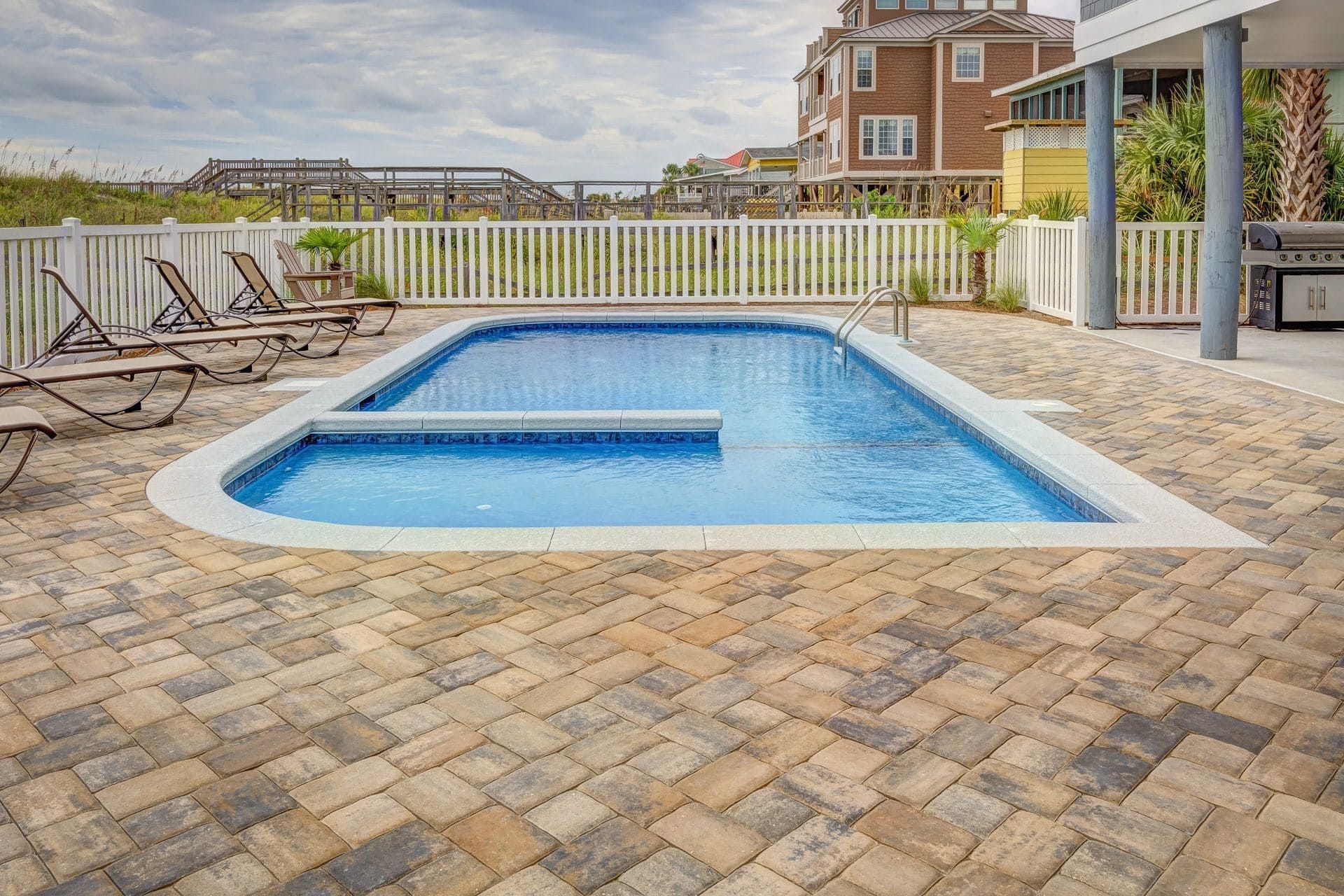
This is a question that comes up frequently for pool deck applications, and it's a legitimate one. Any topcoat sealer that adds a glossy surface film can affect traction, particularly when wet — which around a pool happens constantly.
LayorCare addresses this directly through its
No Slip product line, which can be added to or used alongside surface sealers in areas where slip resistance is a concern. For pool decks specifically, where barefoot traffic on a wet surface is the norm, it's worth factoring No Slip into the planning if Wet Look Seal is the chosen finish. Neutral Seal's penetrating formulation, by contrast, doesn't add a surface layer that alters traction characteristics in the same way, making it generally more pool-deck-friendly from a barefoot safety standpoint on its own — though any sealing decision around pools should factor in the specific surface texture and traffic patterns.
Application: Any Differences in Process?
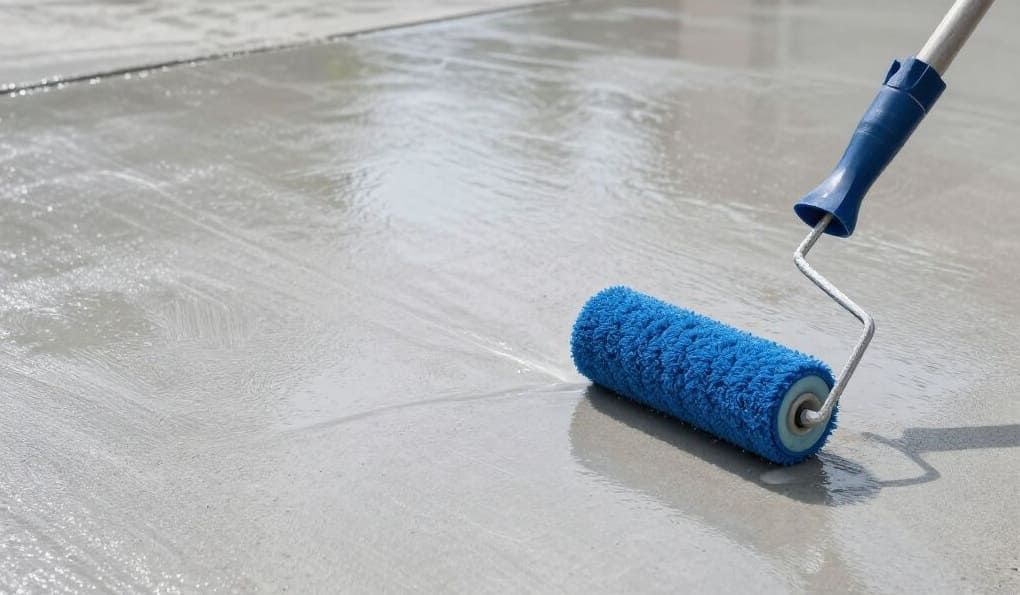
Both products share the same foundational application approach: clean the surface with LayorCare Pre-Treat Cleaner, Heavy Calcium Releaser, or Multi-Blaster as needed, rinse thoroughly, allow to dry completely, and apply two coats using a brush, roller, or airless sprayer. Neither product should be diluted — both are used full strength.
Where the process differs is in drying time and the readiness window. Neutral Seal is walkable after just one hour, making it faster to complete a project where traffic needs to resume quickly. Wet Look Seal requires three hours before the surface is walkable. Both require a full 24-hour cure before exposure to standing water — pools, spas, or fountains — so timing around pool access is the same for either product.
For newly grouted surfaces, Wet Look Seal specifies a minimum 48-hour cure before application. Neutral Seal can be applied as soon as one hour after installation in some contexts, though following the surface manufacturer's guidance on new grout cure time is always advisable. Both products come from RS Technologies and use advanced formulations designed for professional-grade results in homeowner or contractor applications.
How to Choose: A Direct Decision Guide
If you're still weighing which product is right for your specific situation, these quick decision rules resolve the most common scenarios:
Choose Wet Look Seal if your surface is darker-toned natural stone, river rock, exposed aggregate, or brick that would benefit from deeper, richer color. Choose it when the visual goal is a vibrant, high-end finish with a gloss that commands attention — and when you want the longest re-application interval between treatments.
Choose Neutral Seal if your surface is lighter in tone, already looks the way you want it to, or if preserving the exact natural character of the material is the priority. Choose it when you want invisible protection that doesn't announce itself, when you're covering a large surface and material cost matters, or when barefoot pool-deck safety around a wet surface is a concern.
For many homeowners with mixed surfaces around a pool — say, travertine coping and decking plus a natural stone water feature — using Wet Look Seal on the dramatic accent surfaces and Neutral Seal on the main deck is a combination that delivers the best of both products where each one performs strongest.
Frequently Asked Questions
Which LayorCare sealer lasts longer — Wet Look or Neutral?
Wet Look Seal lasts up to five years; Neutral Seal lasts up to three years. Wet Look Seal's longer lifespan reflects its topcoat formulation that builds a durable surface film, while Neutral Seal is a penetrating formula that depletes more gradually over time.
Does Wet Look Seal make surfaces slippery?
Any topcoat with a gloss finish can affect traction on wet surfaces. For pool deck applications where barefoot traffic on wet stone is common, LayorCare's No Slip treatment should be considered alongside Wet Look Seal. Neutral Seal's penetrating formulation generally doesn't alter surface traction the same way.
Can I use Wet Look Seal on travertine?
Yes. Wet Look Seal is compatible with natural stone including travertine, granite, marble, limestone, and slate. The result is a deeper, richer color tone with visible gloss. For homeowners who prefer to preserve travertine's natural, understated look, Neutral Seal is the better choice.
Which sealer covers more area per gallon?
Neutral Seal covers approximately 1,000 square feet per gallon per coat — about 2.5 times more than Wet Look Seal's approximately 400 square feet per gallon. For large projects, this difference in material volume and cost is significant.
Can I apply these sealers near pool water?
Both Wet Look Seal and Neutral Seal are acid-free, non-toxic, and environmentally safe. Both require a 24-hour cure before the surface is exposed to standing water, pools, fountains, or spas. Neither will harm pool chemistry when properly applied and cured.
Are both sealers safe around children and pets?
Yes. LayorCare's products use non-toxic, biodegradable ingredients that meet strict safety standards. Both Wet Look Seal and Neutral Seal are safe for use around families and pets when applied as directed, and both are low-VOC, water-based formulations.
The Bottom Line: Neither Wins Universally — Here's Why
The better question was never which sealer is objectively better — it's which one is right for your surface, your aesthetic goals, and your project priorities. Wet Look Seal wins when you want your surface to look its most dramatic: colors deepened, luster restored, and a visible finish that communicates care and quality. It lasts longer and delivers a finish that makes stone, aggregate, and water features look their absolute best. Neutral Seal wins when invisibility is the point — when the surface already looks the way you want it to, and your job is simply to protect that for the next three years without changing anything about how it looks or feels.
Both products are backed by LayorCare's 100% guarantee and are available directly from the
LayorCare store, Amazon, and authorized retailers nationwide.
Call LayorCare at (480) 237-9363 or
visit layorcare.com to explore the full product line — including the Pre-Treat Cleaner recommended before either sealer application and Cal Block for ongoing calcium protection after sealing.
Recent Posts