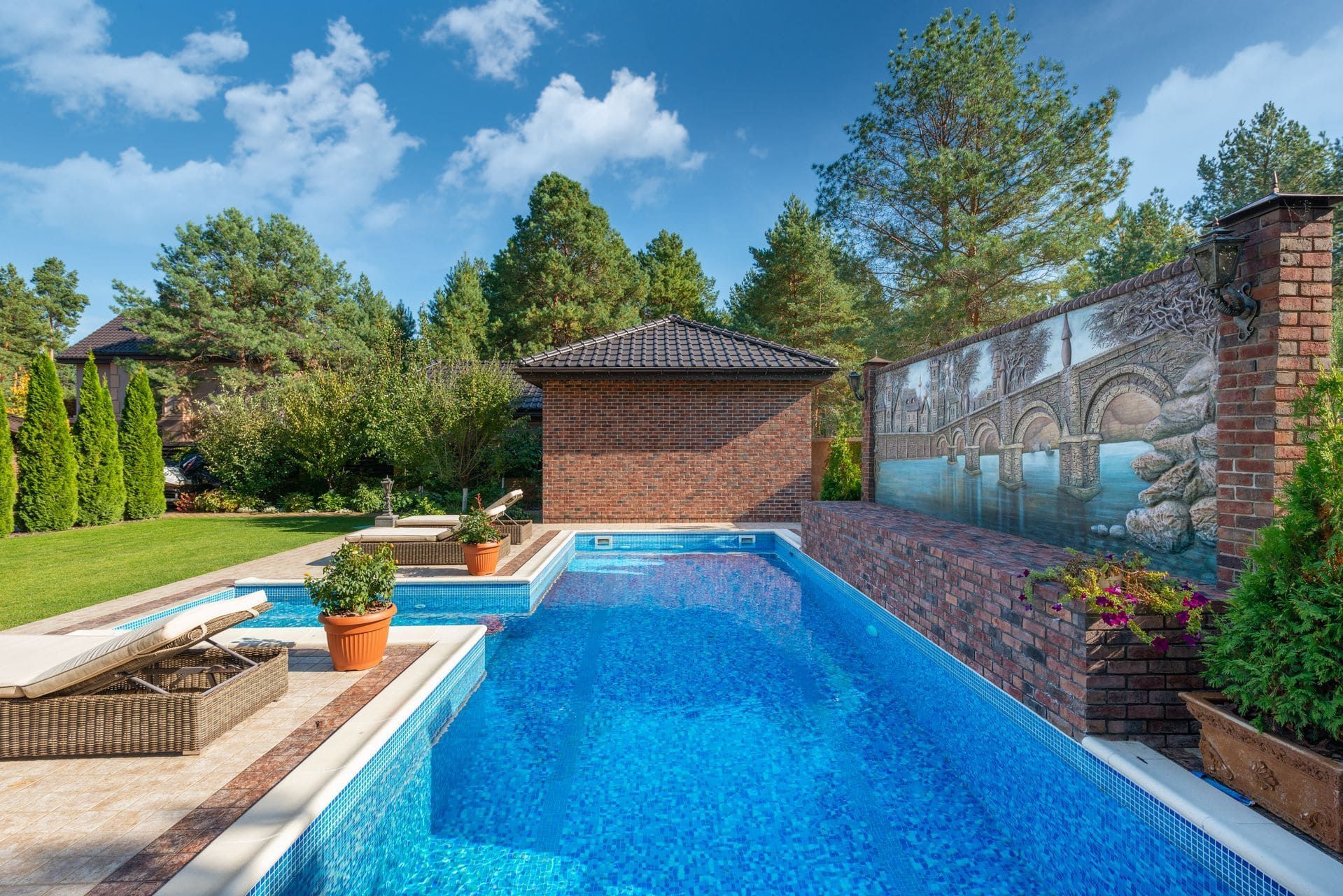
Pool Deck Sealers: Penetrating vs. Film-Forming Guide

LayorCare Blogger • September 24, 2026

Standing in the sealer aisle — or scrolling through options online — pool and patio owners run into the same fork in the road every time: penetrating sealer or film-forming sealer? The difference isn't just marketing language. It determines how your pool deck looks, how slip-resistant it stays, how it holds up to intense sun and standing water, and how often you'll need to reseal it.

At LayorCare, we formulate both types of sealers — from our invisible, natural-look Neutral Seal to our high-gloss Wet Look Seal — because there's no single "best" answer for every surface. The right choice depends on the material you're sealing, the look you want, and the climate your pool deck lives in. Here's how the two technologies actually compare, and how to pick the right one for your space.

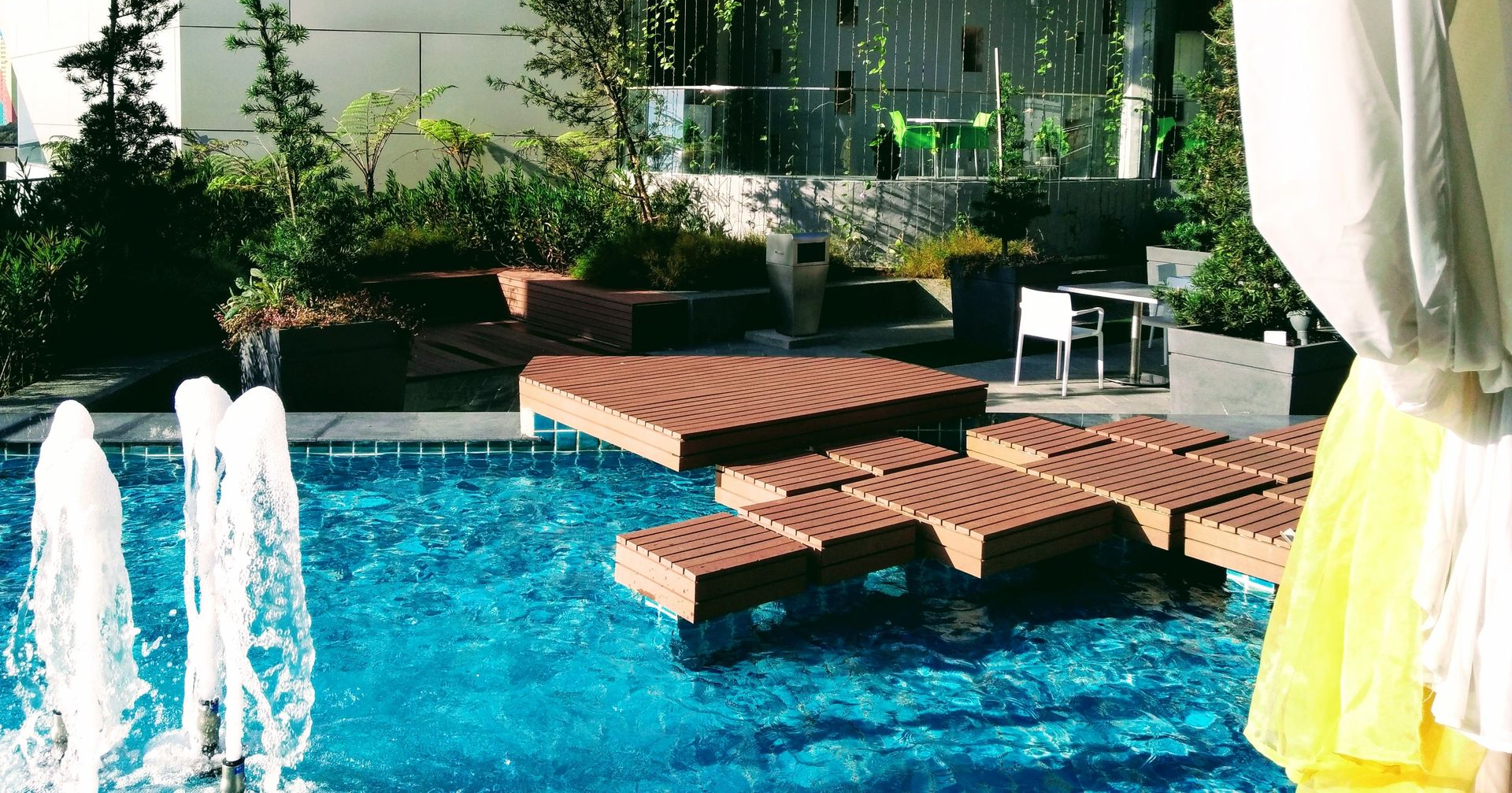
Pool deck sealer UV and heat protection

What "Penetrating" and "Film-Forming" Actually Mean

These terms describe where the sealer's protection lives, not just how it looks.

Penetrating sealers soak into the pores of concrete, natural stone, pavers, or tile grout, bonding below the surface rather than sitting on top of it. Because they don't build a visible layer, they typically preserve the material's original texture and appearance — matte, natural, or a subtle satin sheen — while still repelling water, staining, and calcium buildup from within the surface itself.

Film-forming sealers (also called topical sealers) create a thin protective layer on top of the surface. This layer is what produces effects like a glossy "wet look" finish or an enhanced color pop, because light interacts differently with a coated surface than with bare, porous stone or concrete.

Neither approach is universally superior — they're built for different priorities, and that's exactly why a single pool deck sometimes benefits from a penetrating sealer in one area and a film-forming one in another.

How to Tell Which Type You're Looking At

If a product description mentions any of the following, it's a strong signal of which category it falls into:

Signs of a penetrating sealer:

  • "Natural look," "invisible," or "won't change the surface appearance"
  • "Penetrates deep into pores"
  • Matte or very light satin finish
  • Often recommended for keeping a stone or paver's original texture

Signs of a film-forming sealer:

  • "Wet look," "high gloss," or "color-enhancing"
  • Builds a visible topcoat or sheen
  • Often marketed for restoring luster to faded or dull surfaces

LayorCare's own lineup reflects this split clearly: Neutral Seal penetrates and preserves a truly invisible, natural finish; Paver Seal penetrates deep into pavers and porous tile while leaving a subtle satin look; and Wet Look Seal is a film-forming formula built specifically to deliver that rich, glossy, "just-rained" appearance.

Penetrating vs. Film-Forming: Side-by-Side Comparison

Factor Penetrating Sealers (e.g., Neutral Seal, Paver Seal) Film-Forming Sealers (e.g., Wet Look Seal, Nano Color Coat & Seal)
Surface Appearance Natural, matte to light satin — minimal visual change Glossy, "wet look," or color-enhanced
Slip Resistance Generally higher — texture stays closer to natural surface Can reduce traction when wet unless paired with a slip-resistant additive
UV & Fade Protection Strong, protects from within the material Strong, plus can visually restore faded color
Stain & Calcium Resistance Good — reduces buildup by sealing pores Good — topcoat repels surface contaminants
Reapplication Every 1–3 years depending on traffic and sun exposure Similar range, though gloss may show wear sooner in high-traffic zones
Best For Pool decks, walkways, and areas where slip resistance matters most Decorative accents, water features, and surfaces where enhanced shine is the priority
Risk of Yellowing/Peeling Low with quality water-based formulas Low with quality water-based formulas, but more visible if it does occur due to surface film

For a pool deck specifically — where bare feet, wet conditions, and direct sun are constant — this comparison usually tips the scale toward a penetrating sealer as the safer default, with film-forming sealers reserved for accent areas like coping, water features, or decorative stone where slip resistance is less of a concern.

Why Slip Resistance Matters More on Pool Decks Than Almost Anywhere Else

This is the single biggest practical difference between the two sealer types for pool applications. A film-forming sealer's glossy topcoat can make an already-smooth material — like polished travertine or sealed pavers — noticeably slicker when wet, which is a real concern on a surface that's wet almost constantly.

Penetrating sealers, by contrast, don't add a slick topical layer, so the deck's original texture and traction generally remain intact. That's a major reason products like LayorCare's Neutral Seal and Paver Seal are formulated specifically with pool decks, coping, and pool-adjacent walkways in mind, while Wet Look Seal is positioned more for decorative surfaces like natural stone accents, fountains, and water features where the surface isn't a constant walking path.

If a glossy look is important to you for the pool deck itself, it's worth pairing a film-forming sealer with a slip-resistant additive treatment rather than using it alone in high-traffic wet zones.

Which Sealer Type Handles Intense Sun and Heat Better?

In hot, high-UV climates like Arizona, Florida, and Texas — where pool decks bake in direct sun for months at a time — both sealer categories need strong UV inhibitors to avoid yellowing, fading, or breaking down prematurely. This is less about penetrating versus film-forming and more about formula quality.

Water-based, non-toxic sealers with built-in UV protection — the kind that "won't yellow, crack, or peel" — perform well in either category. The practical difference under intense heat is that a film-forming sealer's visible topcoat will show UV degradation more obviously if it does start to break down, since any dulling, cracking, or yellowing happens on a surface layer you can see and feel. A penetrating sealer's protection lives within the material, so surface-level wear is generally less visually dramatic even as it eventually needs reapplication.

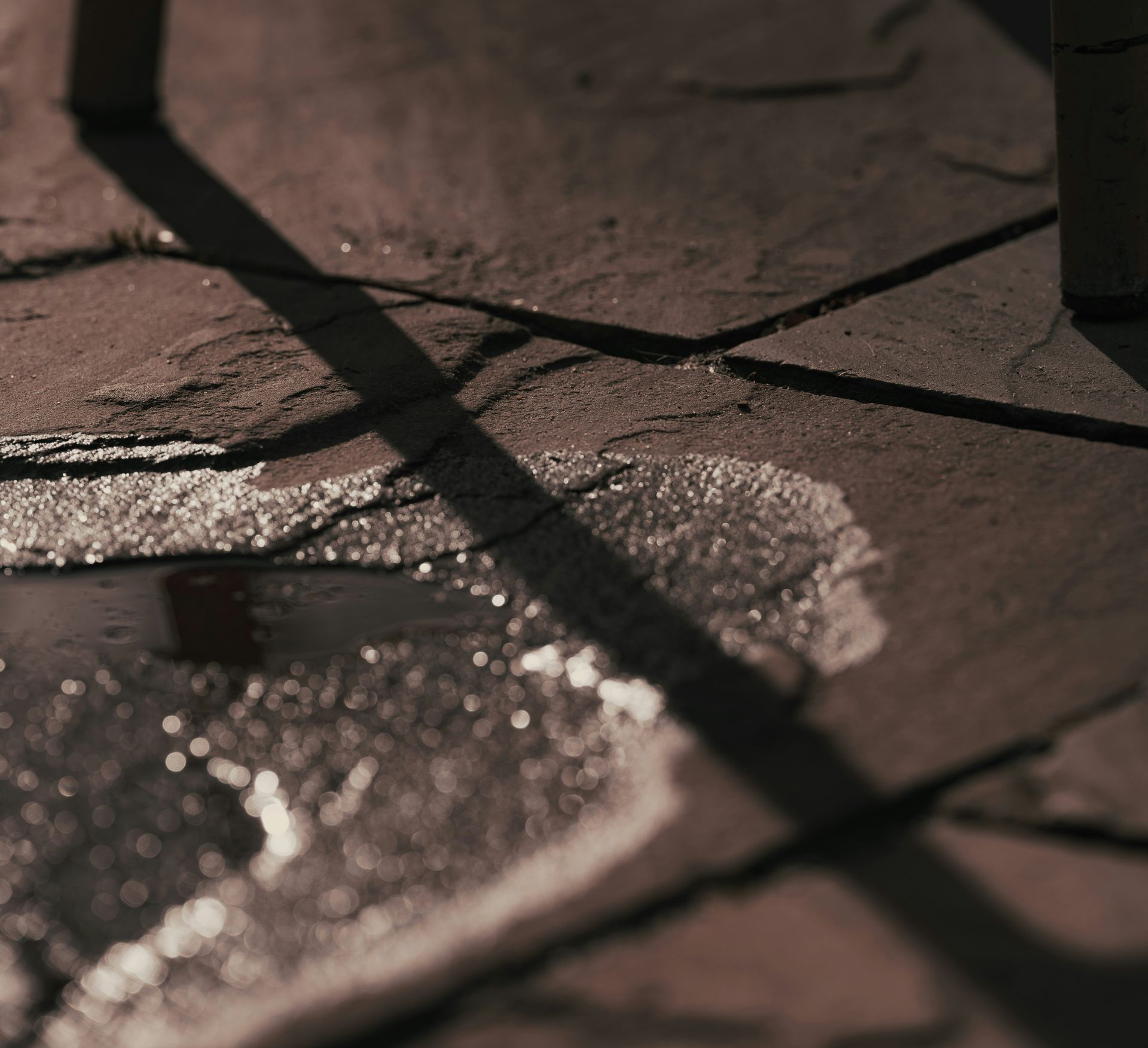
Penetrating vs film-forming pool deck sealers

Choosing the Right Sealer for Your Surface

1. Identify your material

Natural stone, travertine, and pool tile generally do best with a penetrating sealer that preserves their natural texture. Decorative concrete, aggregate, or accent stone around water features can be excellent candidates for a film-forming option like Wet Look Seal or a color-enhancing formula like Nano Color Coat & Seal.

2. Decide how the surface will be used

Anywhere bare feet regularly walk near water — pool decks, coping, walkways — should prioritize traction, which usually means a penetrating sealer. Purely decorative or low-traffic areas have more flexibility to prioritize appearance with a film-forming option.

3. Prep the surface properly regardless of sealer type

Both categories perform best over a properly cleaned surface. A pre-treat cleaner removes residue and grime, while a heavy calcium releaser tackles mineral buildup common around pools — proper prep is what allows either sealer type to bond and perform as intended.

4. Match your maintenance expectations

Penetrating sealers on a well-prepped surface typically need reapplication every one to three years depending on traffic and sun exposure. A light maintenance treatment applied periodically between full reseals can extend the life and shine of either type without a full strip-and-reseal project.

Common Misconceptions About Pool Deck Sealers

  • "Film-forming sealers always look better." A wet look can be striking on natural stone accents, but on a high-traffic pool deck, that gloss often comes at the cost of traction.
  • "Penetrating sealers don't really protect anything since you can't see them." Invisible doesn't mean inactive — penetrating sealers actively resist water absorption, staining, and calcium buildup from within the material.
  • "Any sealer will work fine as long as it's UV-resistant." UV resistance matters for both, but slip resistance is a pool-deck-specific concern that only certain formulations address well.
  • "Once sealed, a surface never needs attention again." All sealers, penetrating or film-forming, have a functional lifespan and benefit from periodic cleaning and reapplication.

Frequently Asked Questions

  • What's the main difference between penetrating and film-forming pool deck sealers?

    Penetrating sealers soak into the material's pores and protect from within, preserving a natural appearance, while film-forming sealers create a visible topical layer that produces effects like a glossy "wet look" finish.

  • Which type of sealer is safer for a pool deck?

    Penetrating sealers generally offer better slip resistance on pool decks since they don't add a glossy surface layer, making them a common choice for decks, coping, and walkways where bare feet and wet conditions are constant.

  • Do film-forming sealers make surfaces slippery when wet?

    They can, particularly on already-smooth materials like polished stone or pavers, since the topical layer adds sheen. Pairing a film-forming sealer with a slip-resistant treatment can help offset this on wet-prone areas.

  • How long do penetrating sealers last compared to film-forming sealers?

    Both types generally perform for one to three years depending on traffic, sun exposure, and surface prep, though quality water-based formulas of either type are designed to resist yellowing, cracking, and peeling over that period.

  • Can I use a penetrating sealer on pavers and a film-forming sealer on a water feature in the same yard?

    Yes, this is a common approach — using a penetrating option like Paver Seal on walkable, wet-prone surfaces and a film-forming option like Wet Look Seal on decorative stone or water features where gloss and color enhancement matter more than traction.

  • Do I need to clean my pool deck before applying either type of sealer?

    Yes. Proper prep with a dedicated pre-treat cleaner or calcium releaser is essential for both sealer types to bond correctly and perform as intended, regardless of whether you choose a penetrating or film-forming formula.

Conclusion and Next Steps

Choosing between a penetrating and a film-forming sealer isn't about which one is objectively better — it's about matching the sealer's strengths to the surface and how it's used. For pool decks, coping, and walkways where wet feet and traction matter most, a penetrating sealer like Neutral Seal or Paver Seal typically offers the safer, more practical choice. For decorative stone, water features, or accent areas where a rich, glossy appearance is the priority, a film-forming option like Wet Look Seal delivers that dramatic finish.

Every LayorCare sealer is a water-based, non-toxic formula backed by our 100% guarantee, built to handle the intense sun and heavy pool use common across hot-climate markets like Arizona, Florida, and Texas.

Not sure which sealer fits your surface? Explore LayorCare's full product line or contact us for guidance on choosing the right penetrating or film-forming sealer for your pool deck, patio, or hardscape project.

Share this article

Recent Posts

wet look seal vs neutral finish
By LayorCare Blogger • August 25, 2026
Choosing between wet look and neutral sealers? LayorCare compares appearance, durability, coverage, surface fit, and the best option for your pool or patio.
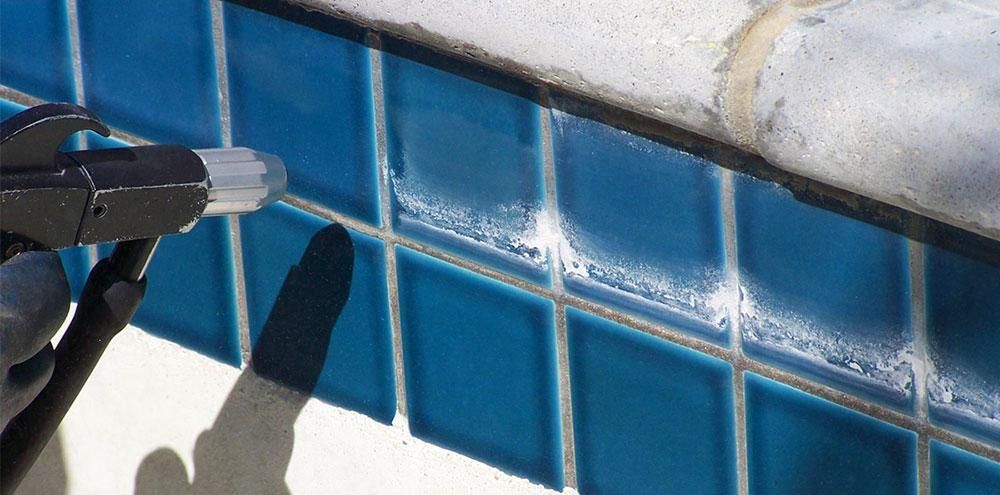
Calcium releaser on pool tile
By LayorCare Blogger • August 3, 2026
How long does calcium releaser take to work on pool tile? Learn timelines, application tips, and prevention for Phoenix pools using Heavy Calcium Releaser.
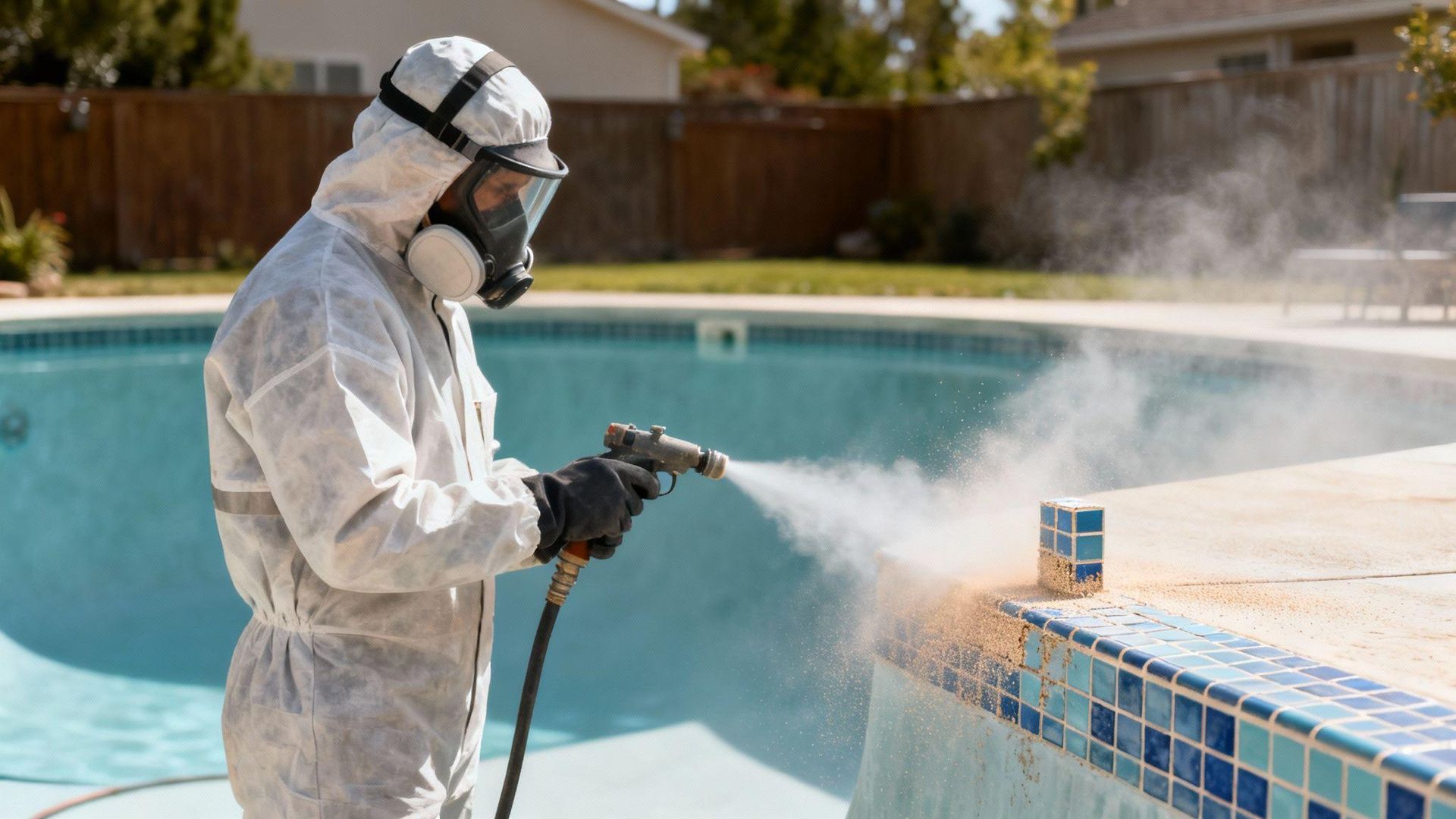
Removing calcium scale from pool tile safely
By LayorCare Blogger • July 10, 2026
Learn to identify calcium carbonate vs calcium silicate on pool tile, coping, spa walls, and stone, plus safe removal methods and pro-grade solutions.
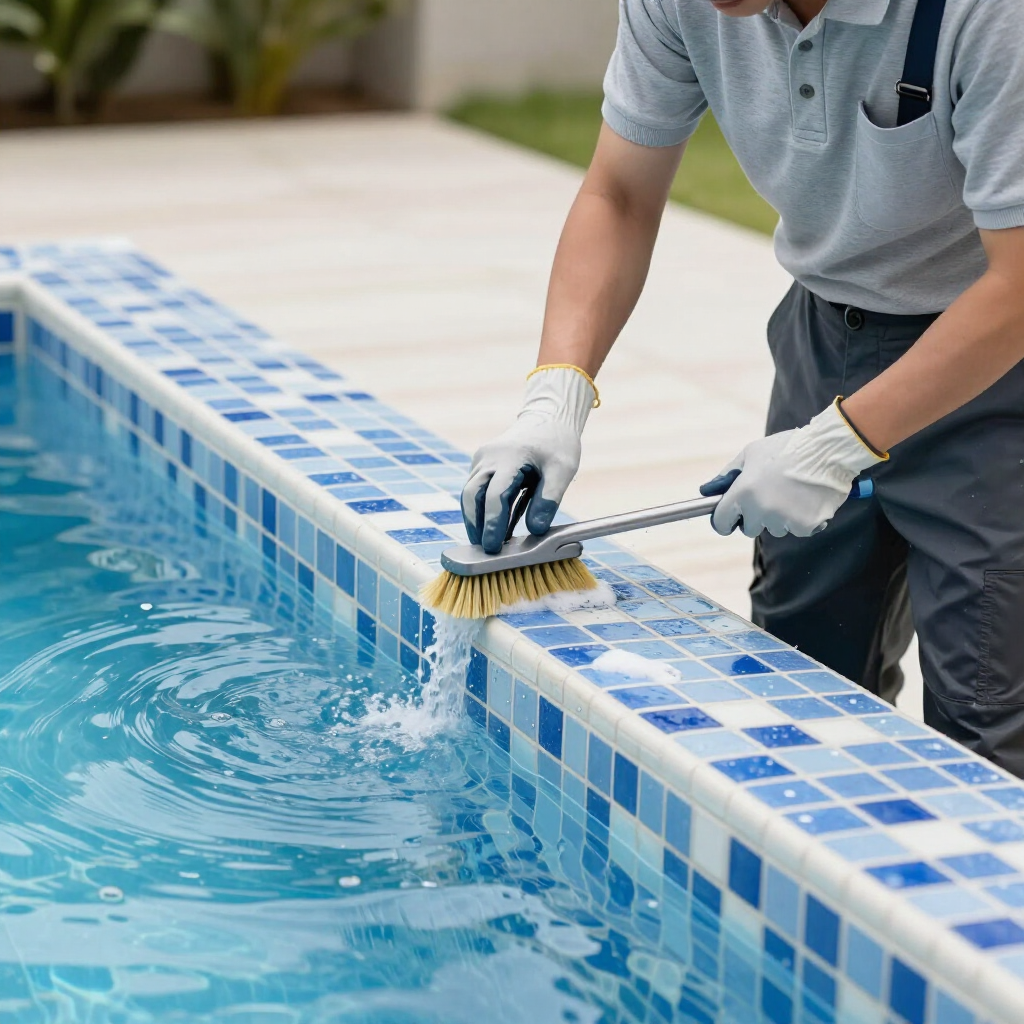
Pool restoration removing white scale
By LayorCare Blogger • June 4, 2026
Complete guide to removing white haze and calcium scale from pool tile, coping, and spas in hard water areas, with tips, safety, and prevention.
best way to clear cloudy pool water
By LayorCare Blogger • March 17, 2026
Not sure if you need a pool clarifier or flocculant for cloudy water? Learn the key differences, when to use each, timelines, and tips to clear your pool fast.
best concrete sealer for driveways 2026
By LayorCare Blogger • February 16, 2026
Discover the best concrete sealer for driveways in 2026. Compare penetrating vs topical options, water vs solvent, eco safe choices, prep steps, and pro tips.
white haze after sealing concrete
By LayorCare Blogger • February 13, 2026
White haze after sealing concrete or pavers is frustrating but fixable. Learn the real causes, prevention steps, and safe removal methods for clear, durable results.
eco-friendly pool cleaning products
By LayorCare Blogger • December 23, 2025
Discover the 2026 guide to eco friendly pool cleaning products from LayorCare. Learn benefits, top green solutions, and tips for safe, sustainable pool care.
remove algae from pool
By LayorCare Blogger • November 4, 2025
Learn the best way to effectively remove algae from your pool and keep your water sparkling clear. Discover eco-friendly, expert-recommended solutions and proven pool maintenance strategies to prevent and eliminate algae growth for a healthy swimming environment.
pool filter cleaners
By LayorCare Blogger • October 7, 2025
Discover effective pool filter cleaners and their usage timing to ensure a clean, healthy swimming pool. Optimize your pool care routine today!
Show More