Best Paver Sealer for Arizona Pool Decks in 2026: A Complete Homeowner's Guide
The best paver sealer for Arizona pool decks in 2026 is a UV-resistant, water-based product that protects against stains, moisture, and mineral buildup without creating an unnecessarily slippery surface. For homeowners in Phoenix, Scottsdale, Mesa, Chandler, Gilbert, and surrounding Arizona communities, choosing the right sealer can help preserve the appearance and durability of outdoor pavers exposed to intense desert sunshine and frequent pool water.
Arizona pool decks face conditions that differ from those in many other parts of the country. Extreme summer temperatures, strong ultraviolet radiation, hard water, and occasional monsoon storms can all contribute to discoloration, mineral deposits, and surface deterioration.
At LayorCare Pool & Patio Protection, we develop professional-grade cleaning, sealing, and surface-protection products designed to address these challenges. Our water-based sealers offer options for natural, satin, and wet-look finishes, helping homeowners protect their outdoor spaces while maintaining the appearance they prefer.
Whether your pool deck features concrete pavers, travertine, brick, Saltillo, or natural stone, this guide explains how to choose the best paver sealer for Arizona's climate.
What Is the Best Paver Sealer for Arizona Pool Decks?
For most Arizona pool decks, a breathable, UV-resistant sealer with strong water and stain resistance is a practical choice.
However, the ideal product depends on the paver material, desired finish, foot traffic, and exposure to pool water.
For example, homeowners who want to preserve the original appearance of travertine may prefer a penetrating natural-look sealer. Those who want richer color may prefer a wet-look product, provided the finished surface offers adequate wet traction.
Best Pool Deck Sealer Options for 2026
| Sealer type | Finish | Primary benefit | Best application |
|---|---|---|---|
| Penetrating natural-look | Invisible or nearly invisible | Preserves original appearance | Travertine, natural stone, concrete |
| Satin-finish paver sealer | Subtle sheen | Stain protection and joint-sand stabilization | Concrete and brick pavers |
| Wet-look sealer | Enhanced color and gloss | Decorative appearance and surface protection | Compatible decorative pavers and stone |
| Color-enhancing sealer | Richer surface color | Restores or enhances appearance | Decorative concrete and natural stone |
Each type has advantages, but the highest-gloss product isn't automatically the best choice around a swimming pool.
Wet traction, surface compatibility, and proper application are especially important for pool decks.
Why Do Arizona Pool Decks Need Sealing?
Arizona's desert environment creates several challenges for outdoor hardscapes.
Extreme Sunlight and UV Exposure
Pool decks in Phoenix and Scottsdale receive intense sunlight for much of the year.
Prolonged exposure can contribute to color fading and deterioration of certain surface materials.
UV-resistant sealers help protect treated surfaces and maintain their appearance, although no sealer can completely prevent weathering.
Hard Water and Calcium Deposits
Many Arizona communities have mineral-rich water.
When pool water splashes onto pavers and evaporates, dissolved minerals can remain behind, creating white deposits or stubborn buildup.
Sealing can reduce the penetration of water and contaminants into porous surfaces, making routine maintenance easier.
However, a sealer doesn't eliminate calcium deposits or correct pool-water chemistry problems.
Pool Chemicals and Splash-Out
Chlorinated and saltwater pools expose surrounding pavers to repeated wetting and drying.
A compatible sealer helps limit water absorption and staining, but chemical resistance varies by formulation.
Regular cleaning remains necessary.
Monsoon Rain and Joint-Sand Erosion
Arizona's monsoon season can bring heavy rainfall and rapid runoff.
Water moving across paver joints may gradually displace loose joint sand.
Certain paver sealers help stabilize joint sand, reducing washout and maintaining a more consistent appearance.
Top LayorCare Paver Sealers for Arizona Pool Decks in 2026
LayorCare offers several water-based sealing products for different hardscape materials and aesthetic preferences.
1. LayorCare Paver Seal: Best for Satin-Finish Paver Protection
LayorCare Paver Seal is a water-based product designed for concrete pavers, porous tile, Saltillo, and similar surfaces.
It provides a clear satin finish that enhances protection without creating an excessively glossy appearance.
Key features include:
- UV protection for outdoor surfaces.
- Resistance to common staining.
- Joint-sand bonding to help reduce erosion.
- A formula designed to resist yellowing, cracking, and peeling.
- Up to three years of protection with proper maintenance.
According to LayorCare's product instructions, coverage is approximately 400 square feet per gallon per coat, depending on surface porosity and application conditions.
Paver Seal is an excellent option for homeowners who want to preserve their patio's appearance while helping stabilize the sand between individual pavers.
2. LayorCare Neutral Seal: Best for a Natural-Look Pool Deck
LayorCare Neutral Seal is a water-based penetrating sealer designed to preserve the original appearance of pool decks, natural stone, concrete, and other porous surfaces.
It's especially appealing for homeowners who prefer the natural appearance of travertine or stone without adding visible gloss.
Its benefits include water and stain resistance, UV protection, and helping reduce calcium buildup.
Neutral Seal is designed to last up to three years with proper maintenance.
Coverage can reach approximately 1,000 square feet per gallon per coat on suitable surfaces, although actual coverage depends on porosity.
For Arizona homeowners who want a discreet protective treatment, Neutral Seal is a strong option.
3. LayorCare Wet Look Seal: Best for Enhanced Color
LayorCare Wet Look Seal is formulated to deepen the appearance of natural stone, brick, aggregate, and other compatible hardscapes.
It produces a richer, glossy finish that can highlight decorative colors and textures.
The water-based formula offers UV protection and is designed to resist yellowing, cracking, and peeling.
LayorCare advertises protection lasting up to five years with proper maintenance.
However, homeowners should evaluate the finished surface's wet slip resistance before selecting a glossy product for a pool deck.
A decorative finish should never take priority over safe footing.
Comparing LayorCare Pool Deck Sealers
| Feature | Paver Seal | Neutral Seal | Wet Look Seal |
|---|---|---|---|
| Appearance | Clear satin | Natural, invisible | Rich glossy finish |
| Main benefit | Paver protection and joint-sand bonding | Preserves natural appearance | Color enhancement |
| Advertised lifespan | Up to 3 years | Up to 3 years | Up to 5 years |
| Approximate coverage per gallon, per coat | 400 sq. ft. | Up to 1,000 sq. ft. | 400 sq. ft. |
| Walkable after | 3 hours | 1 hour | 3 hours |
| Water exposure | After 24 hours | After 24 hours | After 24 hours |
These figures are based on LayorCare's published product instructions. Actual performance varies with surface preparation, porosity, traffic, sun exposure, and maintenance.
Should You Choose a Water-Based or Solvent-Based Paver Sealer?
Both water-based and solvent-based products are available for outdoor paver protection.
The best choice depends on the surface, finish, existing coatings, and environmental conditions.
Benefits of Water-Based Paver Sealers
Water-based sealers are popular for residential pool decks because many formulations have lower volatile organic compound emissions and less solvent odor.
They may also offer easier application and cleanup, depending on the product.
LayorCare's Paver Seal, Neutral Seal, and Wet Look Seal are water-based, low-VOC formulations developed for outdoor surface protection.
When Solvent-Based Sealers May Be Considered
Some solvent-based sealers offer pronounced color enhancement or specialized coating performance.
However, they may involve stronger odors, additional handling precautions, and different application requirements.
They can also be incompatible with certain existing coatings or substrates.
For many Arizona homeowners seeking straightforward maintenance and a natural appearance, a suitable water-based product is a practical starting point.
How Long Does Paver Sealer Last in Arizona?
Most pool deck sealers require periodic maintenance and eventual reapplication.
In Arizona, intense UV exposure, high surface temperatures, frequent pool use, and mineral-rich water can influence how long protection remains effective.
LayorCare's published lifespan estimates are up to three years for Paver Seal and Neutral Seal, and up to five years for Wet Look Seal.
These are upper-end product estimates, not guaranteed service intervals.
According to LayorCare's instructions, Neutral Seal is walkable after approximately one hour, while Paver Seal and Wet Look Seal are walkable after approximately three hours.
All three require approximately 24 hours before exposure to standing water.
Schedule sealing when pool splash-out, irrigation, rain, and foot traffic can be controlled.
Follow the product's specified application-temperature and weather requirements, particularly during extreme Arizona heat.
Signs Your Pool Deck Needs Resealing
Watch for water absorbing rapidly into previously protected pavers, increased staining, fading, or noticeable changes in surface appearance.
You may also notice joint sand washing away or mineral deposits becoming more difficult to remove.
A simple water-drop test can provide an initial indication of surface absorption, although it isn't a definitive test of all sealer performance.
If water quickly darkens and penetrates the pavers, it may be time to inspect the existing protection.
How to Apply Paver Sealer to an Arizona Pool Deck
Proper surface preparation is one of the most important factors in achieving long-lasting results.
Even a premium sealer may perform poorly if applied over dirt, calcium deposits, moisture, or incompatible existing coatings.
Step 1: Identify the Paver Material
Determine whether your pool deck consists of concrete pavers, travertine, brick, Saltillo, or another natural stone.
Different materials have different absorption rates and may require different sealing products.
Always test the selected sealer in an inconspicuous area before treating the entire deck.
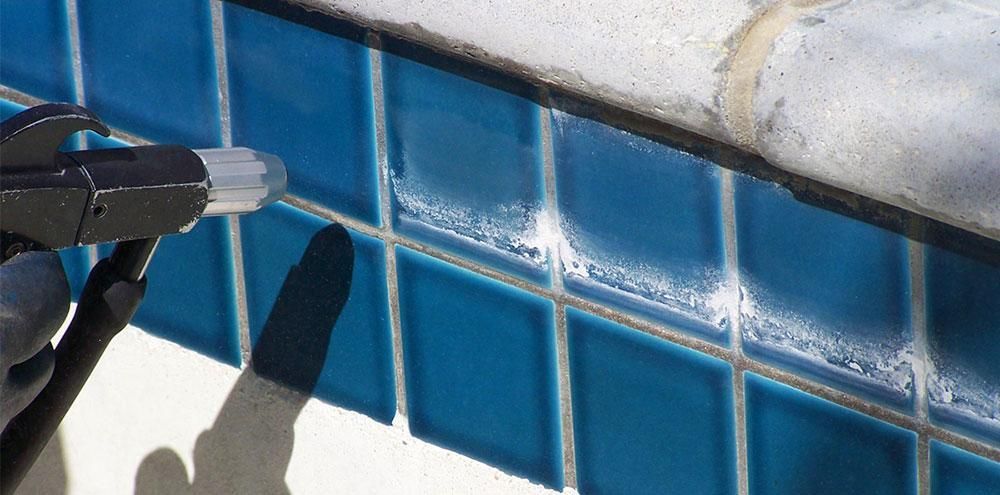
Step 2: Remove Dirt, Stains, and Calcium Buildup
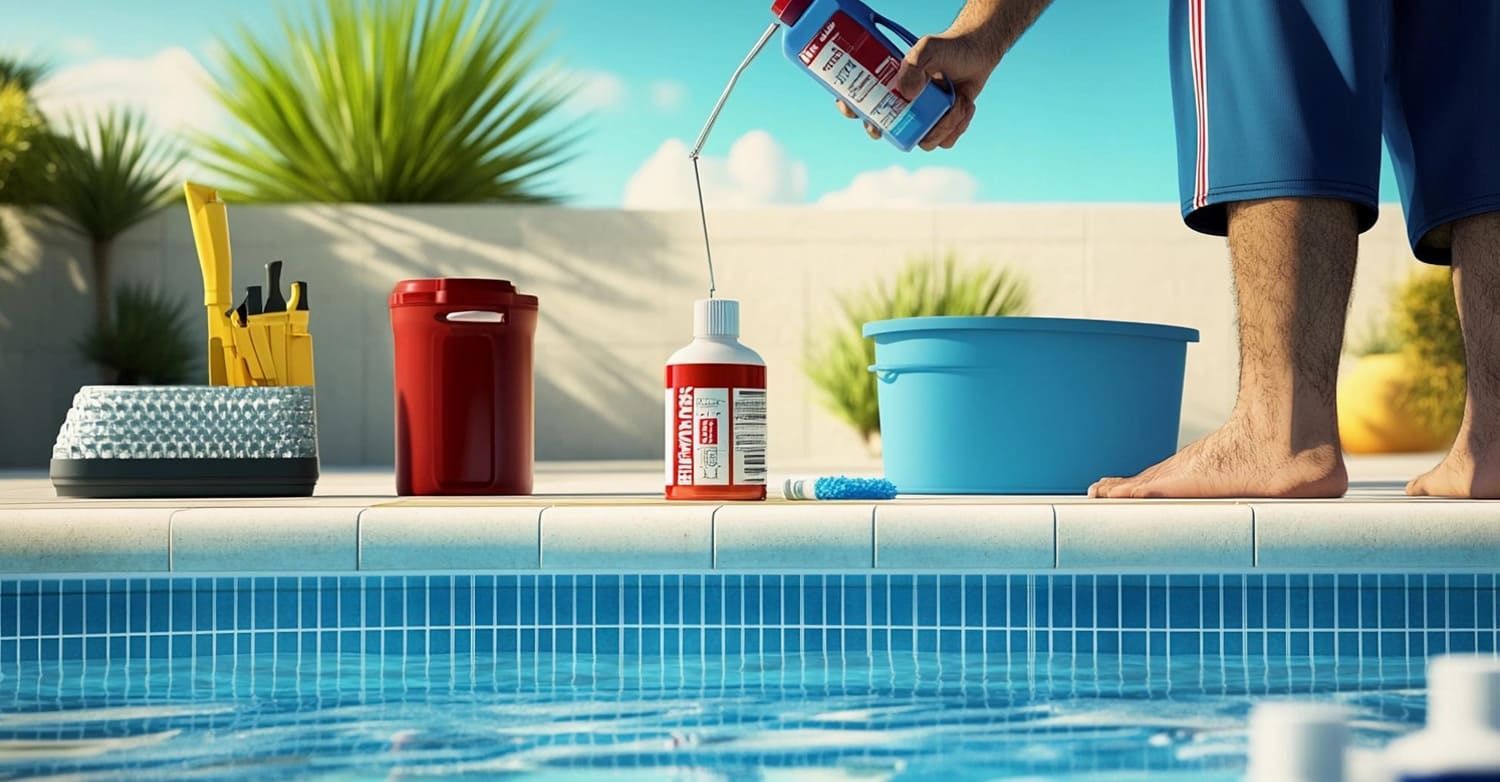
Clean the surface thoroughly before sealing.
LayorCare offers several preparation products, including Pre-Treat Cleaner and Heavy Calcium Releaser, for addressing different types of contamination.
Choose a cleaner compatible with the surface and follow its directions carefully.
Existing mineral deposits should be removed before applying a protective treatment rather than sealed underneath it.
Step 3: Allow the Surface to Dry
After cleaning, rinse thoroughly and allow the surface to dry completely.
Trapped moisture can interfere with sealer penetration, adhesion, and appearance.
Arizona's hot weather may accelerate surface drying, but that doesn't guarantee moisture has evaporated from deeper pores.
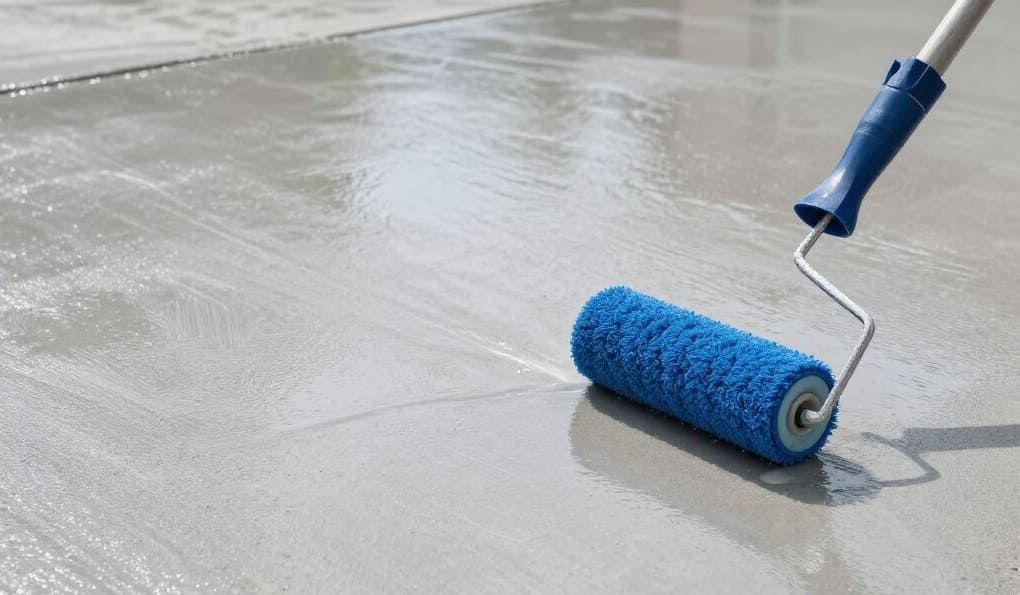
Step 4: Apply the Sealer Evenly
LayorCare recommends applying its sealers at full strength using a suitable brush, roller, or airless sprayer.
Do not dilute the product.
Two coats are recommended for optimal performance, allowing the first coat to dry to the touch before applying the second.
Avoid puddling, excessive application, and uneven coverage.
Step 5: Allow Proper Curing Time
According to LayorCare's instructions, Neutral Seal is walkable after approximately one hour, while Paver Seal and Wet Look Seal are walkable after approximately three hours.
All three require approximately 24 hours before exposure to standing water.
Schedule sealing when pool splash-out, irrigation, rain, and foot traffic can be controlled.
Follow the product's specified application-temperature and weather requirements, particularly during extreme Arizona heat.
Is Paver Sealer Slippery Around Swimming Pools?
Some sealers can change the slip resistance of a surface, especially when wet.
Glossy coatings may create more concern on smooth stone or other low-texture surfaces.
However, slip resistance depends on the complete surface system, including texture, sealer formulation, application thickness, and water conditions.
How to Improve Pool Deck Traction
For pool decks, prioritize products compatible with the existing surface and verify their wet slip resistance.
Avoid applying excessive sealer, which may leave unwanted residue or alter surface texture.
LayorCare also offers No Slip surface treatments designed to improve traction on compatible materials.
These treatments should be evaluated separately for compatibility with any existing or planned sealer.
No pool deck sealer should be assumed slip-resistant simply because it's water-based or has a natural-looking finish.
How to Maintain Sealed Pool Pavers in Arizona
A regular maintenance routine can help extend sealer performance and preserve the appearance of your pool deck.
Remove leaves, dirt, and loose debris before they accumulate. Clean spills promptly and avoid abrasive tools or harsh chemicals that may damage the protective treatment.
Pay particular attention to areas around pool edges, water features, and frequently used walkways.
Preventing Calcium Buildup
Arizona's mineral-rich water can leave deposits as splash-out evaporates.
Routine cleaning helps prevent these deposits from becoming difficult to remove.
LayorCare's Cal Block is a separate surface-protection treatment designed to help reduce calcium adhesion on compatible materials.
Before combining Cal Block with a sealer, confirm product compatibility and follow the recommended application sequence.
When Should You Reseal?
Inspect your pool deck at least once a year.
If water absorption increases, staining becomes more noticeable, or the finish begins deteriorating, reassess the protective treatment.
For heavily exposed Arizona pool decks, inspection is more reliable than relying exclusively on a fixed resealing schedule.
Frequently Asked Questions About Arizona Pool Deck Sealers
What is the best sealer for travertine pool decks in Arizona?
A penetrating natural-look sealer is often an excellent choice for travertine because it helps protect the stone without significantly changing its appearance. LayorCare Neutral Seal is formulated for natural stone and pool deck applications.
Should I seal my pool deck pavers?
Sealing can help reduce staining, water absorption, and surface deterioration. It can also make routine maintenance easier. The benefits depend on the paver material, existing condition, and selected product.
Is a wet-look sealer good for pool decks?
Wet-look sealers can enhance decorative stone and paver colors, but wet traction must be evaluated carefully. A glossy appearance doesn't automatically mean a product is appropriate for every pool deck.
How often should pool pavers be sealed in Phoenix?
Many Arizona pool decks benefit from reassessment every two to three years, although some products may last longer. LayorCare Paver Seal and Neutral Seal advertise protection lasting up to three years, while Wet Look Seal advertises up to five years with proper maintenance.
Can you seal pavers during Arizona summer?
Yes, when conditions meet the product's application requirements. Extreme surface temperatures, direct sunlight, and rapid drying can complicate application. Cooler periods and appropriate weather windows may provide better conditions.
Does paver sealer stop calcium buildup?
Sealer can help reduce moisture penetration and make deposits easier to clean, but it doesn't completely prevent calcium accumulation. Regular maintenance and appropriate mineral-control treatments may still be necessary.
How long before I can use my pool after sealing the deck?
LayorCare specifies allowing approximately 24 hours before treated surfaces are exposed to standing water. Follow all curing instructions and prevent pool splash-out during the required period.
Can homeowners apply LayorCare paver sealers themselves?
Yes. LayorCare offers homeowner-friendly products with instructions for application using brushes, rollers, or suitable sprayers. Surface preparation, compatibility testing, and proper curing remain essential.
Protect Your Arizona Pool Deck With LayorCare in 2026
The best paver sealer for an Arizona pool deck should protect against the challenges of desert living while preserving the appearance of your outdoor space.
For homeowners who prefer a subtle satin finish and joint-sand stabilization, LayorCare Paver Seal is an excellent option.
For travertine and natural stone surfaces where maintaining the original appearance matters most, Neutral Seal offers nearly invisible protection.
For decorative hardscapes where richer color is the priority, Wet Look Seal provides a glossy alternative, subject to surface compatibility and wet-traction considerations.
At LayorCare Pool & Patio Protection, we develop water-based, professional-grade products designed to help homeowners clean, protect, and maintain outdoor surfaces. Founded in Phoenix, our brand focuses on practical solutions for calcium buildup, staining, and the demanding conditions of Arizona pool environments.
Whether you're maintaining a backyard pool in Phoenix, restoring a travertine deck in Scottsdale, or protecting concrete pavers in Chandler, choosing the right sealer can make long-term maintenance easier.
Explore our complete collection of LayorCare pool deck sealers and surface-protection products to find the right solution for your outdoor space.
Protect your pavers, preserve their appearance, and enjoy a better-maintained pool deck throughout Arizona's demanding seasons.
Recent Posts