Expert Pool Maintenance Tips and Top-Rated Products
Importance of Pool Maintenance
Regular pool maintenance is crucial for ensuring a safe, clean, and enjoyable swimming environment. Let's explore the key benefits of consistent upkeep and why it's essential for every pool owner.
Benefits of Regular Cleaning
Regular cleaning is the cornerstone of effective pool maintenance. It not only enhances the visual appeal of your pool but also contributes significantly to its overall health and longevity.
By maintaining a consistent cleaning schedule, you can prevent the buildup of algae, bacteria, and other harmful microorganisms. This proactive approach ensures that your pool water remains safe and hygienic for swimmers.
Regular cleaning also helps maintain the proper chemical balance in your pool. This balance is crucial for preventing skin and eye irritation, as well as protecting the pool's surfaces and equipment from damage.
Moreover, a clean pool requires less intensive treatments and fewer chemicals over time, potentially saving you money on maintenance costs in the long run.
Preventing Water Damage
Water damage is a silent threat that can compromise the structural integrity of your pool and its surrounding areas. Proper maintenance is key to preventing these issues.
Regular inspections and prompt repairs of any cracks or leaks can prevent water from seeping into the pool's structure or the surrounding soil. This proactive approach helps avoid costly repairs and potential safety hazards.
Maintaining proper water chemistry is also crucial in preventing water damage. Balanced pH levels and appropriate chlorine concentrations help protect pool surfaces from etching, staining, and scaling.
Applying quality pool sealers is another effective strategy to prevent water damage. These products create a protective barrier on pool surfaces, enhancing their resistance to water penetration and chemical erosion.
Aesthetic Appeal and Longevity
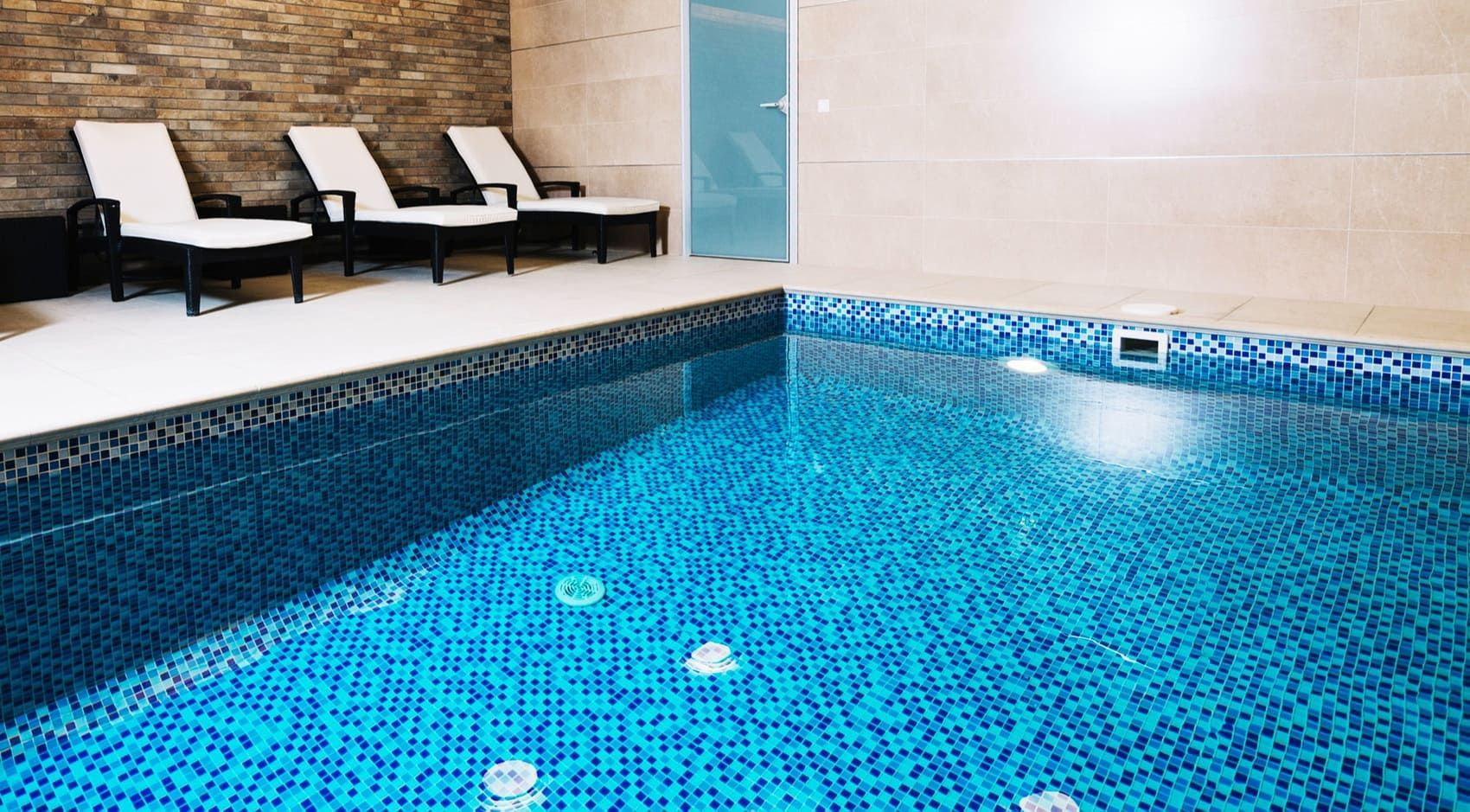
A well-maintained pool is not just about functionality; it's also about creating an inviting and visually appealing centerpiece for your outdoor space.
Regular cleaning and maintenance keep your pool looking its best, with crystal-clear water and spotless surfaces. This aesthetic appeal enhances the overall ambiance of your outdoor area and can even increase your property value.
Consistent maintenance also contributes to the longevity of your pool. By addressing minor issues promptly and preventing major problems, you can extend the life of your pool and its components, saving money on replacements and major repairs.
Moreover, a
well-maintained pool is more energy-efficient. Clean filters and properly functioning equipment operate more effectively, potentially reducing your energy costs over time.
Choosing the Right Products
Selecting the appropriate pool maintenance products is crucial for achieving optimal results. Let's explore the key features to look for in pool tile cleaners and sealers, and how to evaluate top-rated pool products.
Features of Top Pool Tile Cleaners
When selecting pool tile cleaners , it's essential to look for products that offer effective cleaning power without damaging your pool's surfaces. The best pool tile cleaners typically share several key features.
Firstly, look for cleaners that are specifically formulated for pool tiles. These products are designed to tackle the unique challenges of pool environments, such as hard water deposits, algae, and chemical residues.
Eco-friendly formulations are increasingly popular and important. These cleaners are not only better for the environment but also safer for swimmers and less likely to upset your pool's chemical balance.
Versatility is another crucial feature. Top-rated pool tile cleaners often work on various surfaces, including ceramic, porcelain, and glass tiles. This versatility can save you time and money by eliminating the need for multiple cleaning products.
Selecting the Best Pool Sealers
Choosing the right pool sealer is crucial for protecting your pool from water damage and extending its lifespan. The best pool sealers offer a combination of durability, ease of application, and protective properties.
Look for sealers that provide a strong, long-lasting barrier against water penetration. High-quality sealers should be resistant to UV rays, chemicals, and wear and tear from regular pool use.
Compatibility is key when selecting a pool sealer. Ensure the product is suitable for your specific pool surface, whether it's concrete, plaster, or tile. Some sealers are versatile enough to work on multiple surfaces.
Consider the application process when choosing a sealer. User-friendly products that can be easily applied without professional help can save you time and money. However, for larger pools or more complex applications, professional-grade sealers might be more appropriate.
Evaluating Top-Rated Pool Products
When assessing pool maintenance products, it's important to look beyond marketing claims and focus on real-world performance and user experiences.
Start by reading customer reviews and ratings from trusted sources. Look for consistent feedback about a product's effectiveness, ease of use, and longevity. Pay attention to reviews from users with similar pool types and maintenance needs.
Consider the product's ingredients and formulation. Products with high-quality, safe ingredients are often more effective and less likely to cause issues with your pool's chemical balance or surfaces.
Compare the cost-effectiveness of different products. While price shouldn't be the only factor, it's important to consider the long-term value. A more expensive product that lasts longer or requires less frequent application might be more economical in the long run.
Expert Tips for Success
Mastering pool maintenance requires more than just the right products; it's about developing effective strategies and techniques. Here are some expert tips to help you achieve and maintain a pristine pool.
Effective Pool Maintenance Tips
Maintaining a pool effectively involves a combination of regular tasks and preventive measures. Here are some expert-recommended tips to keep your pool in top condition:
- Establish a consistent cleaning schedule, including skimming, brushing, and vacuuming.
- Monitor and maintain proper water chemistry by testing regularly and adjusting as needed.
- Clean or backwash your pool filter according to the manufacturer's recommendations.
- Inspect and clean your pool's skimmer and pump baskets weekly.
- Maintain proper water levels to ensure optimal circulation and filtration.
Remember, prevention is key in pool maintenance. Address small issues promptly to prevent them from becoming major problems. Regular inspections of your pool's surfaces, equipment, and surrounding areas can help you catch potential issues early.
Lastly, consider professional servicing at least once a year. A professional can provide a thorough check-up and address any complex issues that may be beyond DIY solutions.
How to Clean Pool Tiles
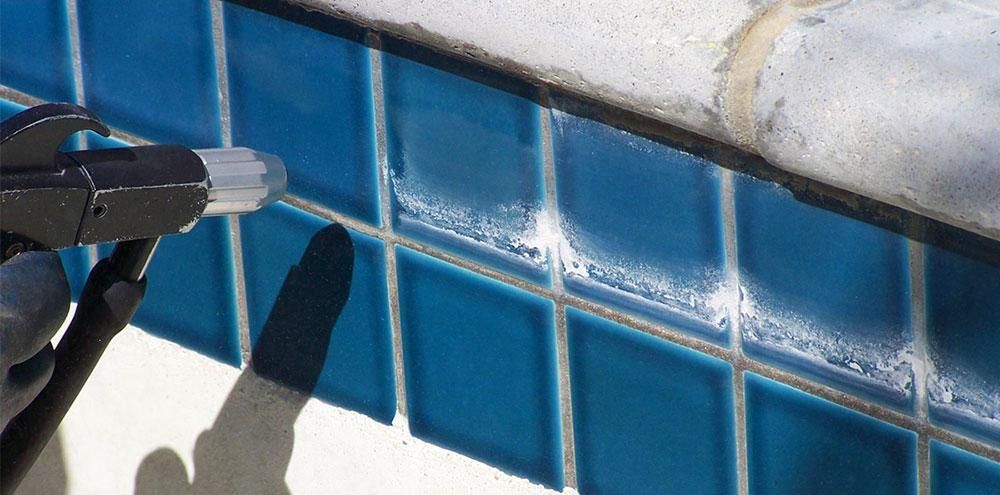
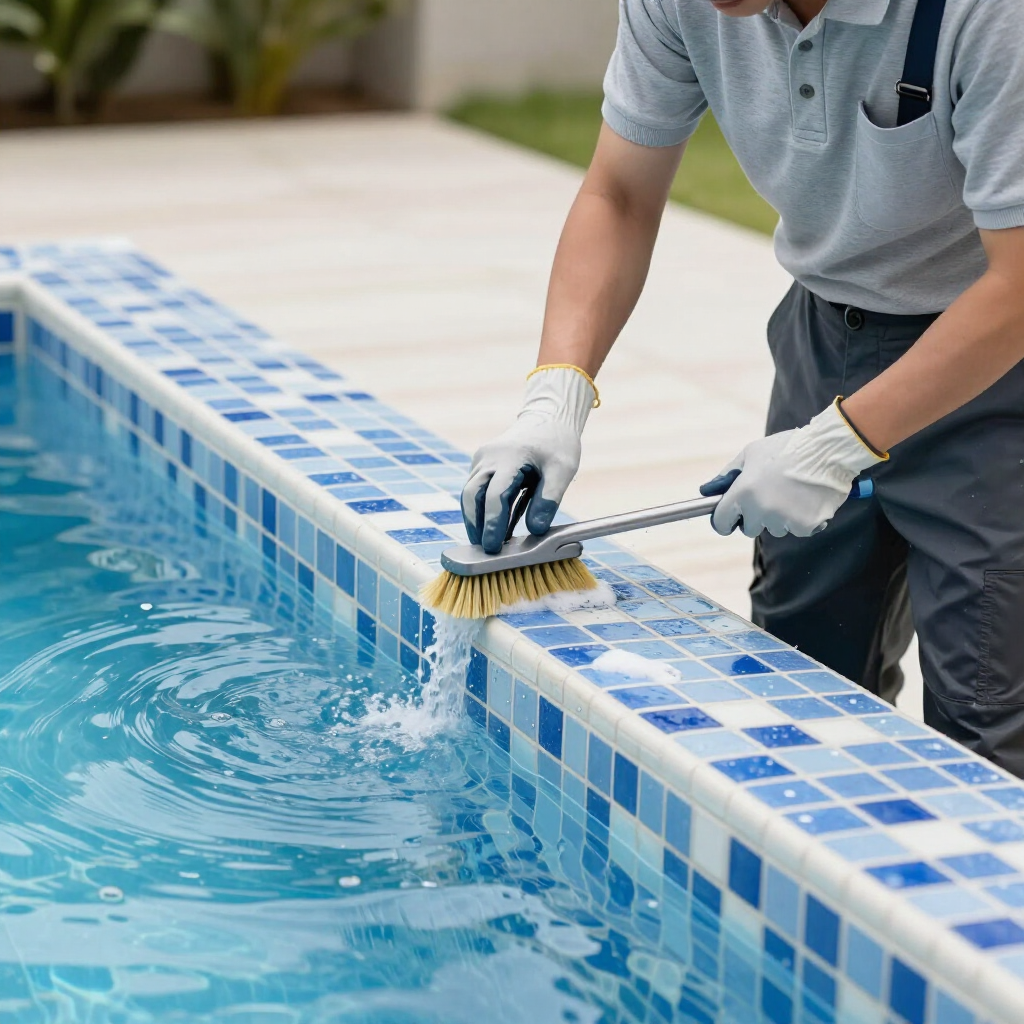
Cleaning pool tiles effectively requires the right approach and tools. Here's a step-by-step guide to achieving sparkling clean tiles:
- Start by lowering the pool water level to expose the tile line.
- Apply a specialized pool tile cleaner, following the product instructions carefully.
- Allow the cleaner to sit for the recommended time to break down dirt and stains.
- Scrub the tiles gently with a soft brush or sponge to remove loosened debris.
- Rinse thoroughly with clean water, ensuring all cleaning product is removed.
For stubborn stains or
calcium buildup, you may need to repeat the process or use a more intensive cleaning method. Always test cleaning products on a small, inconspicuous area first to ensure they won't damage your tiles.
Remember, regular cleaning prevents the buildup of tough stains and scale, making the process easier over time. Aim to clean your pool tiles at least monthly during the swimming season.
Maximizing Product Efficiency
To get the most out of your pool maintenance products, it's crucial to use them correctly and efficiently. Here are some tips to maximize the effectiveness of your pool cleaners and sealers:
Always read and follow the manufacturer's instructions carefully. This includes proper dilution ratios, application methods, and safety precautions.
Apply products in optimal conditions. For example, many sealers work best when applied to a dry surface on a clear day with moderate temperatures.
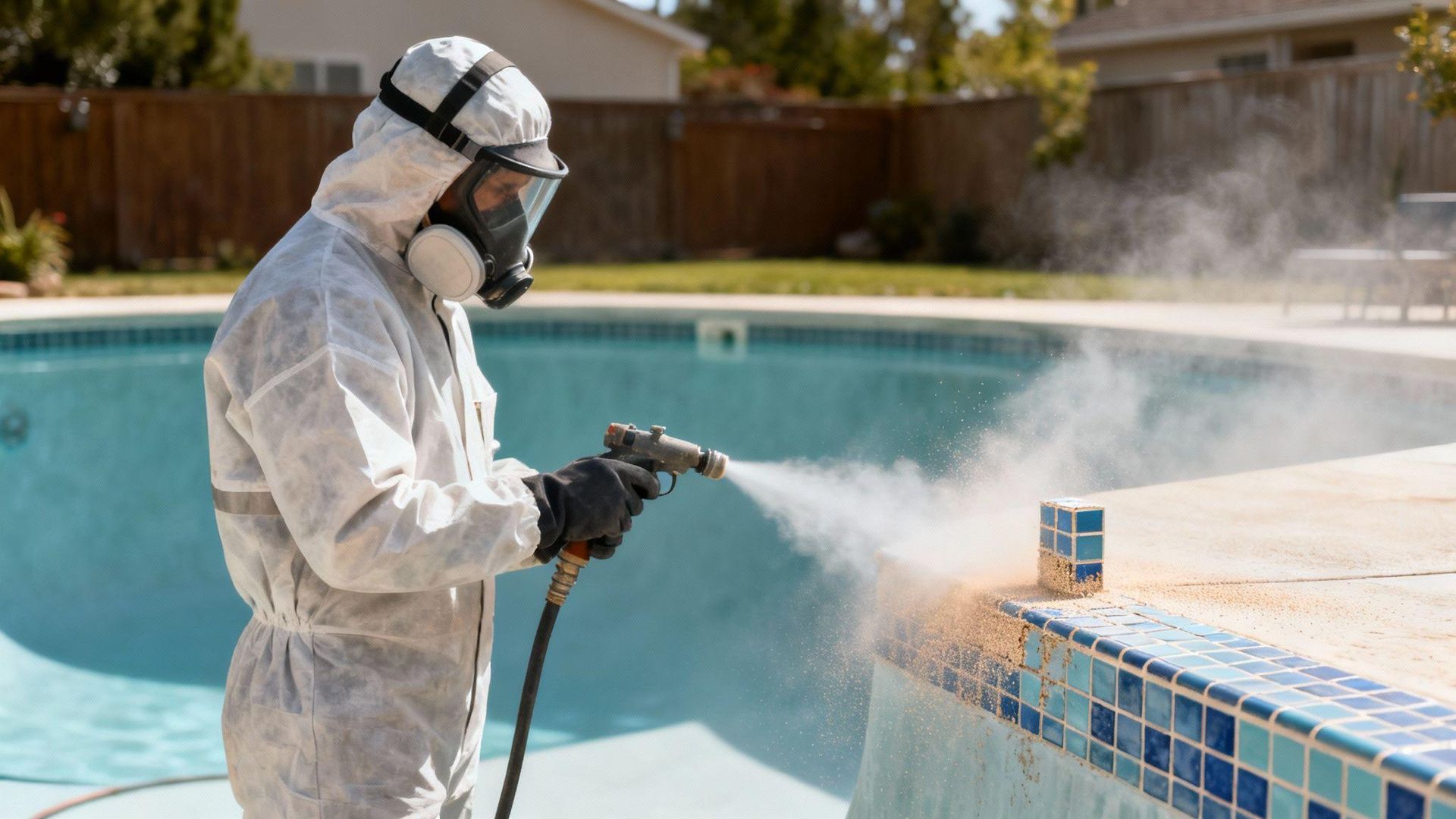
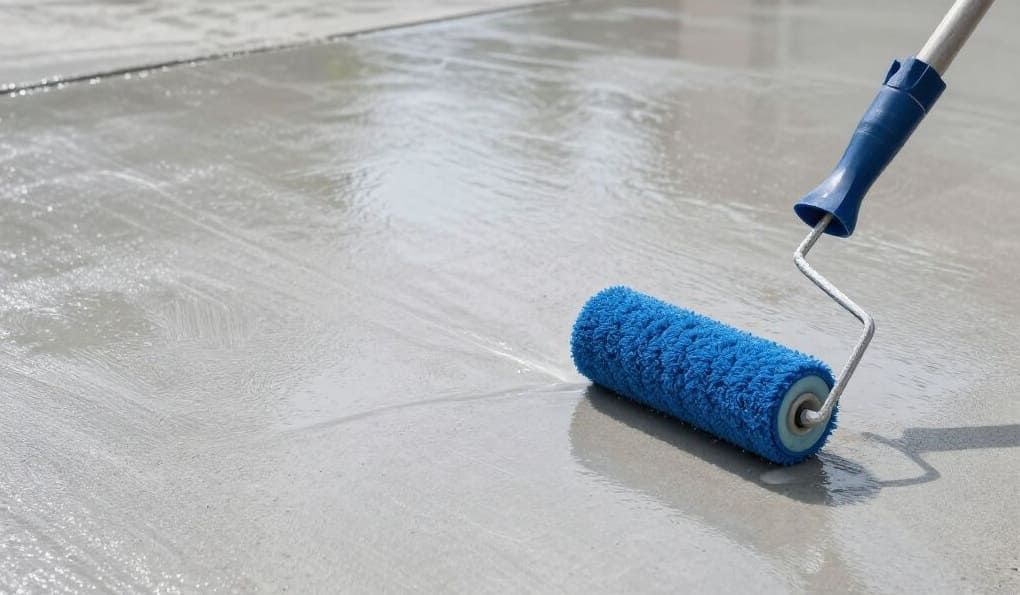
Use the right tools for application. Whether it's a specific type of brush, roller, or sprayer, using the recommended tools can significantly improve the product's performance.
Don't skimp on product quantity. Using too little can result in inadequate coverage and protection. However, avoid over-application, as this can lead to waste and potential issues with your pool's chemistry.
Maintain your pool regularly to prevent the buildup of tough stains and scale. This proactive approach can reduce the need for harsh cleaning products and make your maintenance routine more efficient overall.
At
LayorCare Pool & Patio Protection , we provide
premium pool cleaning products designed to keep your pool looking pristine while protecting surfaces from damage. Our solutions are effective, easy to use, and eco-friendly.
Contact us if you need any help, and let our experts guide you to the best products for maintaining a clean, beautiful, and long-lasting pool!
FAQs About Expert Pool Maintenance
What are the most important pool maintenance tasks?
Essential tasks include skimming debris daily, brushing walls and floors weekly, vacuuming weekly, testing water chemistry 2-3 times weekly, maintaining chlorine at 1-3 ppm and pH at 7.2-7.8, cleaning filters monthly, inspecting equipment regularly, and maintaining proper water levels for optimal circulation.
How do I clean pool tiles effectively?
Lower water to expose tile line, apply specialized pool tile cleaner, let sit per instructions, scrub gently with soft brush, and rinse thoroughly. For calcium buildup, repeat process or use intensive cleaners. Clean tiles monthly during season to prevent tough stains.
What should I look for in pool tile cleaners?
Look for products specifically formulated for pool tiles, eco-friendly formulations safe for swimmers, versatility across ceramic, porcelain, and glass surfaces, effective against hard water deposits and algae, and non-damaging to pool surfaces. Read reviews from users with similar pool types.
How do pool sealers prevent water damage?
Pool sealers create protective barriers on surfaces, preventing water penetration and chemical erosion. Quality sealers resist UV rays, chemicals, and wear from regular use. They protect against etching, staining, and scaling while extending pool surface lifespan and reducing maintenance needs.
What makes a pool product top-rated?
Top-rated products have consistent positive customer reviews, high-quality safe ingredients, proven effectiveness, appropriate formulation for pool environments, good cost-effectiveness considering longevity, ease of use, and compatibility with various pool surfaces. LayorCare offers professional-grade products meeting these standards.
How often should I apply pool sealer?
Apply pool sealer every 2-3 years for concrete pools, 3-5 years for plaster, depending on usage and conditions. Reapply when water penetration increases, surfaces show wear, or protective barrier diminishes. Follow manufacturer recommendations and apply in optimal conditions for best results.
What causes calcium buildup on pool tiles?
Calcium buildup results from high calcium hardness levels, high pH, evaporation concentrating minerals at waterline, and imbalanced water chemistry. Maintain calcium hardness at 200-400 ppm and pH at 7.2-7.8 to prevent scaling. Regular tile cleaning prevents stubborn deposits.
How do I prevent pool surface damage?
Maintain balanced water chemistry with proper pH, chlorine, and alkalinity. Apply quality pool sealers for protection. Address cracks and leaks promptly. Clean regularly to prevent staining. Avoid harsh chemicals or abrasive tools. Inspect surfaces regularly and repair damage immediately.
What are the benefits of regular pool maintenance?
Benefits include safe, hygienic swimming water, prevention of algae and bacteria, extended equipment lifespan, reduced chemical costs, prevention of costly repairs, improved energy efficiency, enhanced aesthetic appeal, increased property value, and consistent water quality requiring less intensive treatments.
How do I choose between different pool cleaning products?
Consider your pool surface type, specific cleaning needs, product ingredients and safety, customer reviews from similar pool owners, cost-effectiveness over time, ease of application, environmental impact, and compatibility with existing equipment. LayorCare experts can help match products to your needs.
What tools do I need for pool tile cleaning?
Essential tools include soft brushes or sponges for gentle scrubbing, specialized pool tile cleaner, pumice stone for stubborn calcium, telescopic pole for reach, protective gloves, and clean water for rinsing. Avoid abrasive tools that damage tile surfaces.
How does water chemistry affect pool surfaces?
Imbalanced chemistry causes etching from low pH, scaling from high pH or calcium, staining from metals, surface degradation from improper chlorine, and equipment corrosion. Maintain pH 7.2-7.8, chlorine 1-3 ppm, and proper alkalinity to protect surfaces and extend pool life.
What is the best way to apply pool sealer?
Clean and dry surface completely, apply in moderate temperatures on clear days, use recommended tools like rollers or sprayers, follow manufacturer dilution and coverage instructions, apply evenly without over-application, allow proper curing time, and avoid pool use during curing period.
How can I maximize the efficiency of pool products?
Read and follow manufacturer instructions carefully, apply in optimal conditions, use correct tools for application, maintain regular cleaning to prevent buildup, don't skimp on quantity but avoid over-application, test products on small areas first, and store products properly.
When should I hire professional pool maintenance?
Hire professionals for annual comprehensive inspections, complex repairs beyond DIY capability, persistent water quality issues, equipment malfunctions, major surface damage, acid washing needs, or when lacking time or expertise. Professional service prevents costly mistakes and ensures thorough maintenance.
Recent Posts